
Size
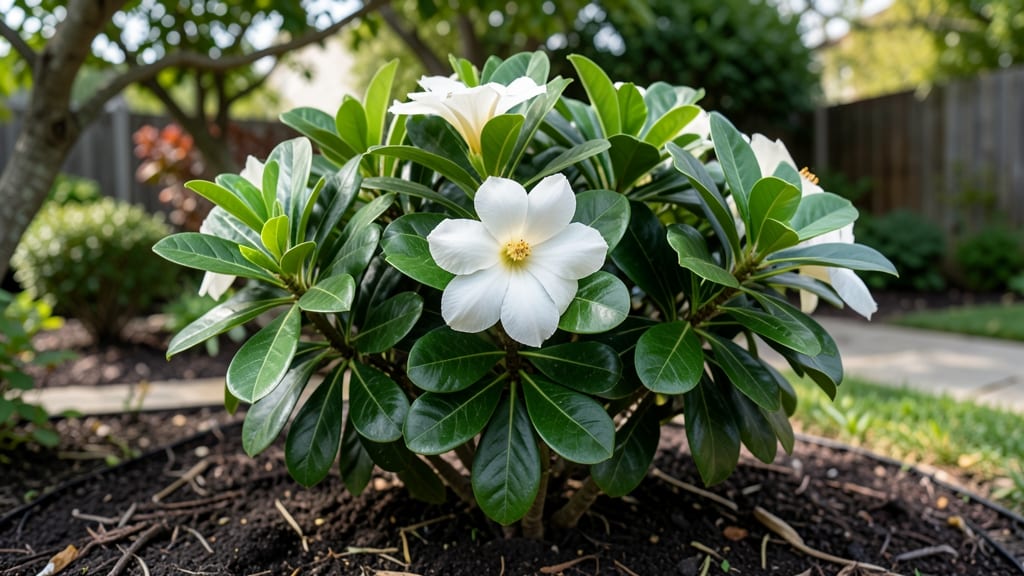
Gardenia plants typically grow between 2 and 6 feet tall 🌸, depending on the variety and growing conditions—so your space planning matters more than you might think.
If you’re picturing a towering tropical shrub, you might be surprised to learn that many gardenias stay compact, especially when pruned or grown in containers. Others, like the classic Gardenia jasminoides, can stretch toward the sky, making them a statement piece in larger landscapes.
Variety is the key to height control—dwarf types like ‘Radicans’ max out around 2 feet, while standard shrubs like ‘Kleim’s Hardy’ can reach 6 feet or more. Even within the same species, pruning habits and sunlight exposure can shift growth by 2 feet or more.
Below, I’ll break down the exact heights for popular gardenias, how to manage their size with pruning, and which types work best for small patios versus big backyards—so you can pick the perfect fit for your garden.


Gardenia height by variety: compact vs. tall-structured types
When choosing gardenias, height is one of the first decisions you’ll make—especially if you’re working with limited space or aiming for a dramatic landscape focal point.
Most gardenias fall between 3 to 6 feet at maturity, but some dwarf varieties stay as short as 1 to 2 feet, perfect for containers or small patios. Understanding these differences helps you pick the right plant for your garden’s layout and your personal style.
The most popular species, Gardenia jasminoides, typically grows 4 to 6 feet tall with a similar spread, making it ideal for shrub borders or as a standalone specimen. However, its growth habit can vary significantly based on the cultivar.
For example, ‘Kleim’s Hardy’ is known for its compact, bushy form (around 3 to 4 feet), while ‘Radicans’ can climb or sprawl, reaching 6 feet or more if left unchecked.
These differences aren’t just about aesthetics—they also impact how much space you’ll need to allocate and how you’ll care for the plant.
If you’re growing gardenias in containers, dwarf varieties like ‘Fortuniana’ (also called ‘Veitchii’) are excellent choices, topping out at just 2 to 3 feet. These smaller types thrive in pots, making them perfect for balconies, patios, or even indoor gardening near bright windows.
On the other end of the spectrum, ‘Mystery’ and ‘Florida’ can grow 6 feet or taller, requiring more space and possibly staking to support their upright growth. Always consider your garden’s scale when selecting a variety.
| Variety | Mature Height | Growth Habit | Best For | Notes |
|---|---|---|---|---|
| Gardenia jasminoides ‘Kleim’s Hardy’ | 3–4 ft | Bushy, rounded | Borders, small gardens | Cold-hardy to Zone 6 |
| Gardenia jasminoides ‘Radicans’ | 4–6 ft (climbing) | Sprawling, vine-like | Trellises, arbors | Needs support for height |
| Gardenia jasminoides ‘Fortuniana’ | 2–3 ft | Compact, upright | Containers, patios | Great for small spaces |
| Gardenia jasminoides ‘Mystery’ | 6–8 ft | Tall, upright | Large gardens, hedges | Requires pruning |
| Gardenia jasminoides ‘Florida’ | 5–7 ft | Bushy, spreading | Specimen planting | Needs space to spread |
Beyond height, gardenias also vary in their growth habits. Some, like ‘Kleim’s Hardy’, grow in a dense, bushy form, making them ideal for hedges or foundation plantings.
Others, such as ‘Radicans’, have a sprawling or climbing tendency, which means you’ll need to provide trellises or stakes to guide their growth upward.
This can be a game-changer if you’re working with vertical space, like a fence or pergola, where you can train the plant to grow taller without taking up extra ground space.
For container gardening, prioritize dwarf varieties like ‘Fortuniana’ or ‘Veitchii’, which stay under 3 feet. These are perfect for adding fragrance to patios or decks without overwhelming the space. Just remember, even smaller gardenias need well-draining soil and regular watering to thrive in pots.
If you’re growing them in the ground, leave 3 to 5 feet of space between standard varieties to allow for their mature spread and ensure good airflow, which helps prevent fungal diseases.
If you’re planning a landscape design with gardenias, consider pairing taller varieties like ‘Mystery’ or ‘Florida’ with shorter, bushier types to create layers and visual interest. For example, you could use ‘
How to control Gardenia height: pruning, training & care tips
Gardenias naturally grow between 3 to 6 feet tall, but their height depends on variety, pruning habits, and growing conditions. If your gardenia is outgrowing its space or looking leggy, don’t worry—there are simple ways to manage its size while keeping those fragrant blooms coming.
The key is timing, technique, and a little seasonal maintenance.
Whether you’re dealing with a tall gardenia shrub in your yard or a container-grown plant on your patio, controlling height starts with understanding when and how to prune. Late winter or early spring is the best time to shape your gardenia, as this encourages new growth and more blooms.
But if you need a quick fix, summer pruning can also work—just be gentle to avoid stressing the plant.
- Step 1 Choose the right tools: Use clean, sharp pruning shears to make precise cuts just above a leaf node or bud. Avoid tearing the bark, which can invite disease.
- Step 2 Prune for shape: Cut back overgrown branches by ⅓ of their length to encourage bushier growth. Focus on removing dead, crossing, or weak stems first.
- Step 3 Support tall stems: If your gardenia is top-heavy, use bamboo stakes or plant supports to prevent flopping. Tie stems loosely with soft garden twine to avoid damaging the bark.
- Step 4 Container hacks: For potted gardenias, prune regularly to maintain compact growth. Repot every 2-3 years to refresh the soil and encourage slower, bushier growth.
- Step 5 Seasonal adjustments: After blooming, trim back spent flowers to redirect energy to new growth. In fall or winter, avoid heavy pruning—just remove any deadwood to keep the plant tidy.
If your gardenia is growing too tall for its space, consider topping it back by cutting the main stems by half their height. This may seem drastic, but it forces the plant to branch out and stay more compact.
Just be patient—it might take a season or two to see the full effect, but the result will be a fuller, healthier plant with more blooms.
For container gardenias, height control is even easier. Since they’re root-bound, pruning encourages denser growth. Choose a large enough pot (at least 12-15 inches wide) to accommodate roots and reduce the need for aggressive pruning.
And remember, regular deadheading (removing spent blooms) keeps the plant focused on producing new flowers instead of seeding.
With the right care, your gardenia can stay at your ideal height while still filling your garden with its intoxicating fragrance. Just remember: prune in late winter or early spring, support tall stems, and keep an eye on container sizes.
Soon, you’ll have a perfectly sized gardenia that’s as beautiful as it is manageable. 🌸