
How To
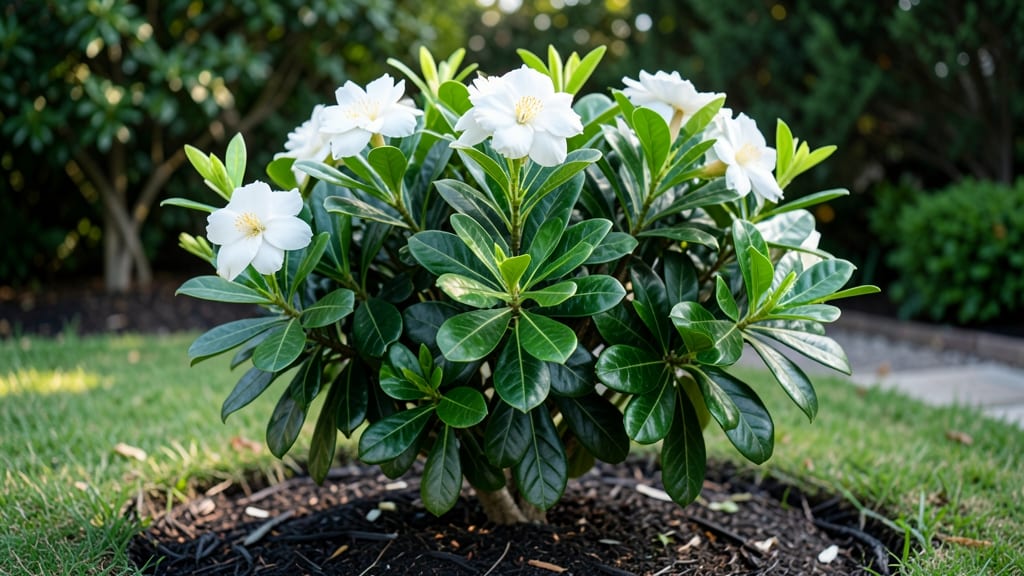
Wondering how tall do gardenias grow? These fragrant, glossy shrubs can range from 2 to 6 feet, depending on the variety and care you provide, making them a versatile choice for both small gardens and larger landscapes.
If you're dreaming of fragrant, glossy gardenias but wondering whether they’ll fit in your garden’s height plan, you’re not alone. Many gardeners overlook these stunning shrubs because of size assumptions—yet some varieties stay compact while others reach small-tree heights.
The key to controlling their size lies in choosing the right type: dwarf gardenias stay under 2 feet, while standard varieties can easily top 6 feet if left unpruned. Climate and pruning habits also play a role in how tall they grow over time.
In this guide, I’ll break down the height ranges by variety, share pruning tips to manage growth, and help you pick the perfect gardenia for your space—whether you want a low hedge or a fragrant focal point.


Gardenia height by variety: mature sizes explained
When planning your garden layout, knowing how tall gardenias grow is essential—especially since varieties range from dwarf shrubs to tall specimens that can reach tree-like proportions. The average mature gardenia height falls between 2 to 6 feet, but specific varieties can defy these expectations.
For example, the Radicans gardenia stays compact at just 1 to 2 feet, while the Fortuniana variety can soar to 10 feet or taller in ideal conditions.
Understanding these differences helps you choose the perfect variety for your space, whether you’re designing a container garden or a privacy hedge.
Gardenias thrive in USDA Zones 6-10, but their height potential depends on more than just climate. Factors like pruning habits, soil acidity, and sunlight exposure play critical roles. For instance, a heavily pruned gardenia may stay shorter, while one left unpruned can grow wildly leggy.
Even within the same variety, gardenias grown in containers will naturally stay smaller than those planted in the ground. Below, we’ll explore the mature heights of popular gardenia varieties so you can make an informed choice for your garden.
🌱 Visual Tip: Use a measuring tape when selecting nursery plants—young gardenias can look deceptively small compared to their mature size. Always ask for the variety name to avoid surprises!
If you’re working with limited space, the Radicans or Mystery varieties are excellent choices, topping out at just 2 to 3 feet. These dwarf gardenias are perfect for container gardening or balcony planters, where height control is a priority.
For a statement-making focal point, the Fortuniana variety’s towering height makes it ideal for backyard corners or privacy screens. Just remember: taller gardenias require staking or support in windy areas to prevent flopping.
For hedge plantings, the Veitchii or Kleimschmidtiana varieties strike a balance—tall enough to create a living wall but manageable for regular pr
How gardenia height affects pruning and care needs
Taller gardenias—like the classic Gardenia jasminoides—demand a completely different care approach than their dwarf cousins. While compact varieties stay under 2 feet, standard types can reach 6 feet or taller, requiring structural support and strategic pruning to prevent flopping or overgrowth.
The key difference? Height directly impacts how you prune, stake, and even fertilize these beauties.
For example, a 6-foot gardenia needs regular structural pruning to maintain shape, while a 2-foot dwarf can thrive with minimal trimming. Tall varieties also benefit from staking or trellises to support their weight, especially after heavy blooms.
Let’s dive into how height changes your care routine and what mistakes to avoid.
⚠️ Height Matters: Overlooking Support = Floppy Gardenias
Taller gardenias (4+ feet) often need stakes or cages by their second year to prevent top-heavy flopping. Without support, branches can snap under wet blooms or strong winds. Dwarf varieties (2 feet) rarely need staking but still require light pruning to encourage bushiness.
Seasonal pruning is another height-dependent task. In spring, tall gardenias need deadheading to redirect energy to new growth, while dwarf types benefit from light shaping cuts to maintain their compact form.
Summer is all about controlling height: Pinch back new growth on tall varieties to encourage bushier blooms, but avoid heavy pruning on dwarfs, which can stunt their already limited growth.
Fertilizing also shifts with height. Tall gardenias require balanced, slow-release fertilizer (like 10-10-10) every 6-8 weeks to support their larger canopy, while dwarfs do well with half the dose every 8-10 weeks.
Over-fertilizing tall varieties can lead to excessive leafy growth at the expense of flowers, while under-fertilizing dwarfs may result in sparse blooming.
One common mistake is pruning at the wrong time. Tall gardenias should never be pruned in late summer or fall, as this can prevent next year’s blooms. Dwarf varieties are more forgiving but still thrive with spring pruning to shape their growth.
Another pitfall? Ignoring soil acidity—gardenias of all heights need pH 5.0-6.0; tall types may show yellowing leaves faster if soil is alkaline.
To keep your gardenia at your desired height, combine regular pruning, seasonal support, and proper fertilization. For tall varieties, install stakes early and prune after flowering to avoid cutting off next year’s buds.
Dwarf gardenias? Focus on light shaping and consistent moisture to keep them lush and blooming. With the right approach, you can enjoy fragrant gardenias—whether they’re towering sentinels or compact charmers—without the headaches. 🌿✂️