
How To
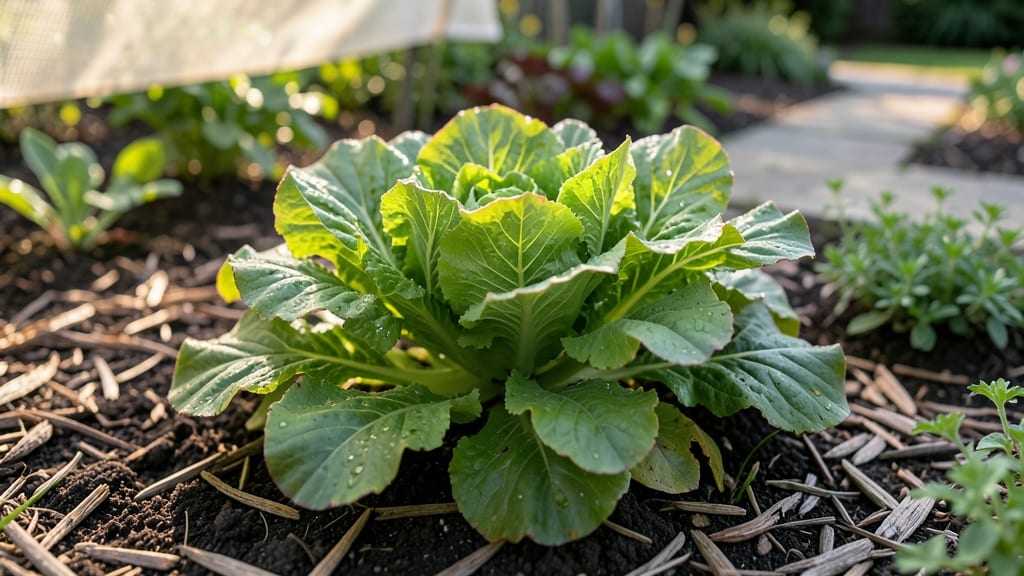
Growing a lettuce garden is easier than you think—even in small spaces—because the right variety and timing can deliver crisp, homegrown greens in just 30 days.
Imagine fresh, crisp lettuce picked straight from your garden in just 30 days—no matter how small your space. Growing lettuce doesn’t require acres of land or expert skills, but it does require smart planning to maximize yields and avoid common pitfalls.
You don’t need a sprawling backyard to grow 🥬 lettuce—containers, raised beds, or even a sunny windowsill can work. The key is choosing fast-maturing varieties like leaf lettuce or romaine, which thrive in cooler weather and won’t bolt (turn bitter) in the heat.
Below, I’ll walk you through the fastest way to plant, water, and harvest lettuce—plus how to keep your garden productive all season long with minimal effort.


Best lettuce varieties for small spaces and fast harvests
When space is limited but your cravings for fresh lettuce are big, choosing the right variety makes all the difference. Leaf lettuce, romaine, and butterhead types thrive in tight spots, delivering crisp harvests in as few as 30 days.
The key is selecting varieties bred for compact growth and quick maturity—perfect for containers, raised beds, or even windowsill gardens.
For beginners, I recommend starting with loose-leaf varieties like 'Black Seeded Simpson' or 'Salad Bowl', which bolt-resistant and ready to harvest in just 28-35 days. These types also allow for cut-and-come-again harvesting, meaning you can snip outer leaves and let the plant keep growing.
Whether you're working with a 5-gallon pot or a 4x8-foot raised bed, these varieties deliver maximum flavor with minimal space.
Here’s a quick comparison of the top lettuce types for small gardens, including their ideal conditions and growth speeds:
| Variety | Type | Mature Size | Days to Harvest | Space Needs | Best For |
|---|---|---|---|---|---|
| Black Seeded Simpson | Loose-leaf | 12-18" tall, 6-12" wide | 28-35 days | 6-12" apart | Cut-and-come-again |
| Little Gem | Romaine | 12-18" tall, 6-8" wide | 50-60 days | 12" apart | Compact heads |
| Salad Bowl | Butterhead | 8-12" tall, 10-12" wide | 45-55 days | 10-12" apart | Tender, sweet leaves |
| Oakleaf | Loose-leaf | 6-10" tall, 12-18" wide | 30-40 days | 4-6" apart | Heat tolerance |
| Merlot | Romaine | 10-14" tall, 8-10" wide | 45-55 days | 10-12" apart | Disease-resistant |
If you're growing in containers, prioritize loose-leaf or butterhead varieties like 'Salad Bowl' or 'Oakleaf'. These spread out rather than grow tall, making them ideal for 5-gallon pots or even hanging baskets.
For a romaine option that fits small spaces, 'Little Gem' is a standout—its compact heads mature quickly and hold up well in heat.
For fastest harvests, focus on loose-leaf types like 'Black Seeded Simpson', which can be ready in as little as 28 days. This variety is also bolt-resistant, meaning it won’t prematurely flower when temperatures rise—a common issue in small gardens where heat can build up quickly.
To maximize your yield, plant seeds every 2 weeks in spring and fall for a continuous supply.
When selecting varieties, also consider your climate zone. In hotter regions (Zones 8-10), opt for heat-tolerant types like 'Oakleaf' or 'Jericho', which can handle temperatures up to 85°F without bolting.
In cooler zones (Zones 3-6), butterhead varieties like 'Salad Bowl' thrive in spring and fall, producing tender leaves even when nights dip below 50°F.
One of my favorite tricks for small spaces is interplanting. Pair lettuce with radishes or carrots, which mature quickly and free up space for subsequent lettuce plantings. Radishes, for example, are ready in 30 days, giving your lettuce plenty of room to spread out afterward.
This succession planting strategy ensures you’re always harvesting something fresh without overcrowding.
For urban gardeners with limited sunlight, choose partial-shade tolerant varieties like 'Merlot' romaine or 'Winter Density' loose-leaf. These can thrive with just 4-6 hours of sunlight daily, making them perfect for balconies or patio gardens with dappled shade
Step-by-step guide to planting lettuce in containers or raised beds
Lettuce thrives in containers or raised beds because it needs shallow roots and consistent moisture. Whether you're using a 5-gallon bucket or a 4'x8' raised bed, the key is proper soil prep and spacing.
I’ve planted lettuce in both setups, and containers actually help prevent bolting (premature flowering) by keeping roots cool.
Start with well-draining, nutrient-rich soil mixed with compost or aged manure. Lettuce prefers a slightly acidic to neutral pH (6.0-7.0). If your soil is heavy clay, add perlite or vermiculite to improve drainage. For containers, use a high-quality potting mix with added organic matter.
🌱 Step-by-Step Planting Guide
- 📏 Choose containers with drainage holes and at least 6 inches deep. For raised beds, ensure 4-6 inches of soil depth.
- 🌿 Fill containers with moistened potting mix or amended garden soil. Leave 1 inch of space at the top for watering.
- 🌱 Sow seeds ¼ inch deep, spacing them 12-18 inches apart for head lettuce or 6-8 inches apart for loose-leaf varieties.
- 💧 Water gently to avoid displacing seeds. Keep soil consistently moist (not soggy) until germination (5-10 days).
- ☀️ Place in partial shade (4-6 hours of sun) or dappled sunlight to prevent bolting. Use shade cloth (30-50%) in hot climates.
- 🌿 Thin seedlings to recommended spacing when they reach 2 inches tall. Use scissors to avoid disturbing roots.
- 🌱 Add companion plants like radishes or carrots to deter pests (e.g., aphids). Avoid planting near celery or parsley, which compete for nutrients.
To prevent bolting (bitter taste), avoid planting lettuce in hot summer months. Instead, opt for spring or fall planting when temperatures stay below 75°F. If you live in a warm climate, use shade cloth or succession planting every 2-3 weeks for continuous harvests.
Watering is critical—lettuce needs 1 inch of water per week, but containers dry out faster. I water mine daily in summer and every 2-3 days in cooler months.
Always water at the base of plants to avoid fungal diseases like downy mildew. A mulch layer (1-2 inches) helps retain moisture and suppress weeds.
With these steps, you’ll harvest crisp, tender lettuce in 30-45 days. The first few leaves are ready to pick when they reach 2-3 inches long. Just snip with scissors, leaving the rest to grow—this encourages continuous production for weeks! 🥬