
How To
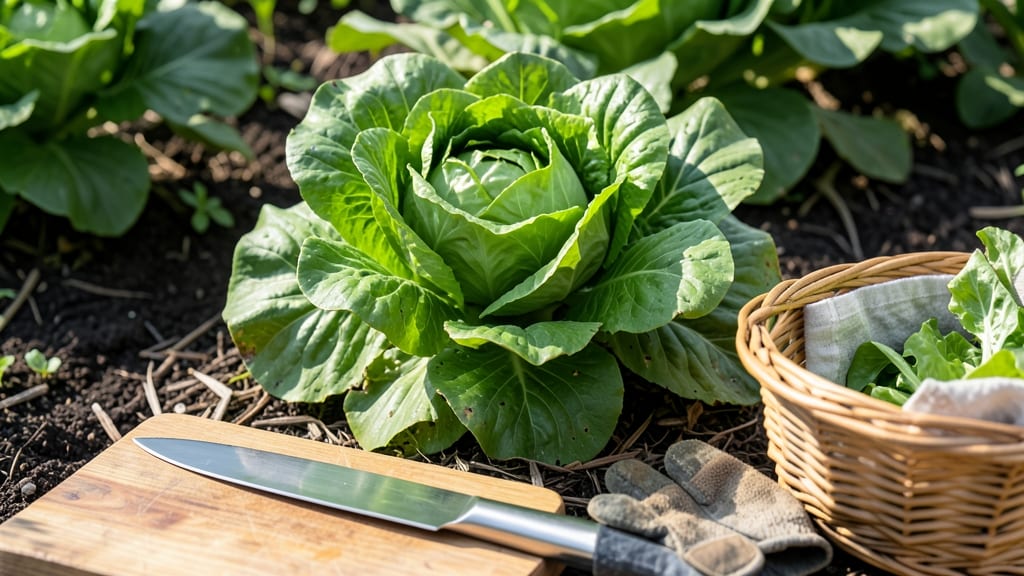
To harvest lettuce from your garden properly means cutting at the right time and height to keep your plants producing fresh greens for weeks.
Struggling to keep your lettuce garden producing fresh greens all season? Mastering the cut-and-come-again method transforms your harvest from sporadic to abundant—while keeping plants healthy and thriving.
Most gardeners make the mistake of pulling entire heads or harvesting too late, which stresses the plant and shortens its lifespan. Instead, focus on cutting outer leaves when they reach 4-6 inches—this encourages regrowth without sacrificing yield.
Below, I’ll walk you through the exact timing, tools, and techniques to maximize your harvest, including how to avoid bolting and extend your lettuce’s productivity well into the season.


Step-by-step guide to harvesting lettuce using the cut-and-come-again method
The cut-and-come-again method is my secret weapon for extending lettuce harvests by 30-50%. Instead of pulling the whole plant, you carefully trim leaves to encourage regrowth. This works best with leaf lettuce varieties like romaine, butterhead, and loose-leaf types, though some head lettuce can adapt if harvested early.
Timing is everything—harvest when outer leaves reach 4-6 inches and feel crisp. Avoid cutting more than 1/3 of the plant at once to prevent stress. I’ve found that harvesting in the morning after dew dries but before the heat sets in gives the cleanest cuts and fastest recovery.
Before you begin, gather these tools: a sharp pair of pruning shears or scissors, a clean cutting board, and a spray bottle with water for rinsing.
Wear gloves if your garden has pests like slugs or aphids. The key is precision cutting—never tear leaves, as this damages the plant and invites disease.
How to Harvest Lettuce Using the Cut-and-Come-Again Method
- 1 Choose the right leaves: Select the outer leaves that are fully grown (4-6 inches). Avoid cutting the innermost leaves or the growth point at the center.
- 2 Use clean tools: Disinfect your pruning shears with rubbing alcohol to prevent spreading disease. Cut at a 45-degree angle, about 1/4 inch above a leaf node to encourage new growth.
- 3 Limit your harvest: Never remove more than 1/3 of the plant in one session. For example, if your lettuce has 20 leaves, harvest 6-7 leaves max per cutting.
- 4 Rinse and store: Gently rinse harvested leaves with cool water to remove dirt. Pat dry with a clean towel or salad spinner. Store in a ventilated container lined with a paper towel in the fridge for up to 5-7 days.
- 5 Care for regrowth: After harvesting, water the base of the plant with 1 inch of water. Apply a light mulch (like straw) to retain moisture and reduce weeds. Avoid fertilizing immediately—wait 1-2 weeks to let the plant recover.
- 6 Monitor regrowth: New leaves should emerge in 7-14 days. If growth stalls, check for pests (like aphids) or nutrient deficiencies. A quick fix is a balanced fertilizer (5-10-10) applied to the soil.
Pro tip: Keep a harvest journal to track which varieties regrow best in your climate. I’ve noticed butterhead lettuce often bolts (goes to seed) faster than romaine, so I prioritize harvesting romaine later in the season. Always rotate your harvest sites to prevent soil depletion and disease buildup.
For head lettuce varieties like iceberg, the cut-and-come-again method works best if you harvest the entire head and leave the base in the soil. New leaves will sprout from the crown, though the quality may not match the original.
This trick extends your harvest by 2-3 weeks before bolting sets in.
If your lettuce starts to bolt (sends up a tall flower stalk), it’s time to harvest the entire plant. Bolting usually happens due to heat stress or day length changes. In my zone 6a, I avoid planting heat-loving varieties like black-seeded Simpson in late summer—it bolts within weeks!
After your final harvest, don’t toss the plants. Compost them to return nutrients to the soil, or use them as mulch for your next crop. I’ve even saved seeds from bolted lettuce to grow the following year, though the flavor may vary.
With this method, you’ll enjoy fresh lettuce for months instead of weeks!
When and how often to harvest lettuce for maximum regrowth
Timing your lettuce harvest correctly is the secret to a continuous supply of fresh greens. For leaf lettuce varieties like romaine or butterhead, you can start harvesting as soon as the outer leaves reach 3-4 inches long.
This early harvesting encourages regrowth, giving you multiple harvests per plant. Head lettuce, such as iceberg or crisphead, should be harvested all at once when the head feels firm and compact, usually around 45-60 days after planting.
Seasonal timing matters too. In spring and fall, when temperatures are cooler, lettuce grows more slowly, so you can harvest every 2-3 weeks without stressing the plant. During warm summer months, lettuce bolts quickly, so harvest more frequently—every 1-2 weeks—to avoid bitter flavors and premature flowering.
Always harvest in the morning when leaves are crisp and hydrated.
🚨 Over-harvesting weakens your lettuce, leaving it vulnerable to pests and disease. Signs include yellowing leaves, stunted growth, and hollow stems. Under-harvesting, on the other hand, leads to bolting (flowering) and bitter taste.
Balance is key—never remove more than 1/3 of the plant at once for leaf varieties, or you’ll stunt regrowth.
| Lettuce Type | Harvest Time | Frequency | Seasonal Notes |
|---|---|---|---|
| Leaf Lettuce (Romaine, Butterhead) | 30-45 days | Every 1-2 weeks | Harvest outer leaves; regrows quickly |
| Head Lettuce (Iceberg, Crisphead) | 45-60 days | Single harvest | Cut entire head at base; no regrowth |
| Loose-Leaf (Green Leaf, Red Leaf) | 25-35 days | Every 7-10 days | Ideal for cut-and-come-again |
| All Varieties (Summer) | N/A | Harvest aggressively | Prevent bolting in heat |
Use sharp, clean scissors or pruning shears to avoid damaging stems. Cut just above the soil line for leaf lettuce, leaving the growth point intact. For head lettuce, grasp the base firmly and twist or cut the entire head.
After harvesting, water deeply and apply a light fertilizer (like compost tea) to encourage regrowth. Avoid fertilizing heavily right before harvest—it can lead to bitter flavors.
In spring and fall, your lettuce can produce for 6-8 weeks with proper care. During summer, expect 3-4 weeks of harvests before bolting becomes an issue. To extend the season, provide afternoon shade during hot months and mulch to keep roots cool.
If your lettuce starts to bolt, harvest the leaves immediately—they’ll still be tender and flavorful before the plant flowers.
Pay attention to your lettuce’s growth signals. If new leaves stop emerging after harvesting, it’s time to let the plant rest or replace it. For a continuous harvest, succession plant every 2-3 weeks throughout the growing season.
With the right timing and care, one lettuce patch can yield enough greens for dozens of salads all season long! 🥬