
How To
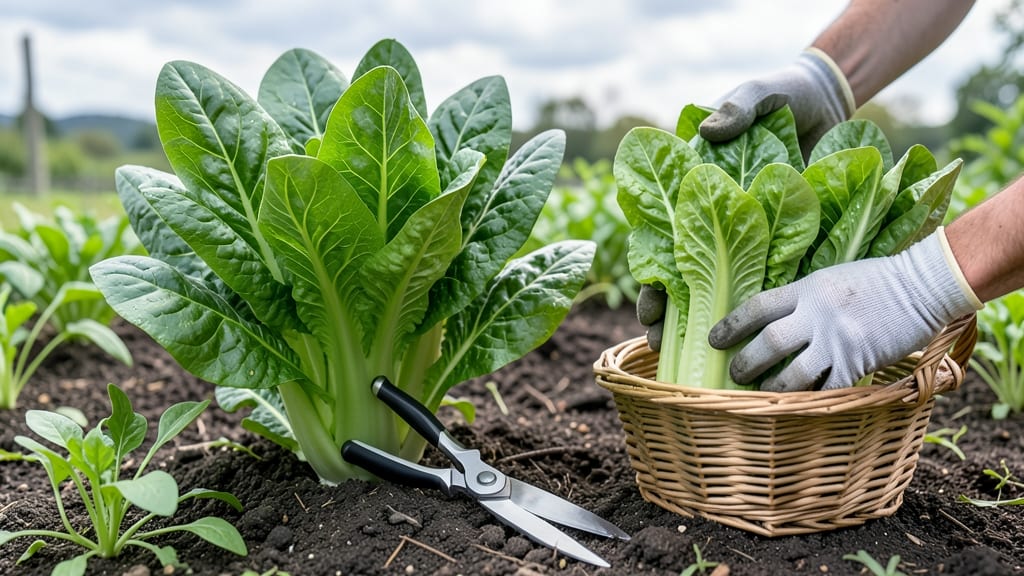
To harvest romaine lettuce from your garden at its peak, wait until the outer leaves reach 6 inches—that’s when they’re crisp, tender, and packed with flavor.
Skipping this step means missing the sweet spot: harvest too early, and you’re left with sparse leaves; too late, and the lettuce bolts or turns bitter. The good news? A simple cut-and-come-again method keeps your 🥬 lettuce producing for weeks.
You’ll need just a sharp pair of scissors or pruners, a sunny morning, and a few minutes of your time. Below, I’ll walk you through the exact technique to trim leaves without damaging the plant, plus how to store your harvest for maximum freshness.
Whether you’re a first-time gardener or a seasoned grower, these tips will help you avoid common mistakes—like overwatering or harvesting at the wrong time—and keep your romaine lettuce thriving all season long.


When to harvest romaine lettuce for maximum yield and flavor
Harvesting romaine lettuce at the right time ensures crisp texture and sweet flavor, while avoiding the bitter, tough leaves that come from waiting too long.
The key is patience—6-inch leaves mark the ideal harvest window, but timing also depends on your climate and season. Spring and fall crops thrive with cooler temperatures, while summer heat can push lettuce into bolting (flowering) faster. Understanding these cues will help you maximize your garden’s productivity.
Romaine lettuce typically reaches harvestable size in 50-70 days after planting, but don’t wait until the entire head is fully mature. Outer leaves between 6 and 12 inches are perfect for cutting—this method, called cut-and-come-again, encourages the plant to regrow for multiple harvests.
If you let the head grow too large, the center leaves may become woody and bitter, ruining the tender experience you’re growing for.
The color and firmness of romaine leaves are your best indicators of readiness. Look for deep green, vibrant leaves that stand upright and feel crisp when touched. Avoid harvesting if leaves are yellowing or wilting, as this signals stress or overmaturity.
In hot climates, romaine may bolt prematurely—watch for tall flower stalks emerging from the center, which means it’s past its prime for leaf production.
Seasonal timing plays a crucial role in romaine lettuce harvests. In spring, aim to harvest between May and June when temperatures are mild. For fall crops, focus on October and November before the first frost hits.
If you’re growing in summer, provide afternoon shade to prevent bolting and extend your harvest window. Succession planting every 2-3 weeks ensures a steady supply of fresh romaine throughout the growing season.
Avoid harvesting in extreme heat or direct midday sun, as this can stress the plant and lead to bitterness. Early morning is the best time to harvest—cool temperatures preserve crispness and flavor.
Use a sharp knife or pruning shears to cut leaves 1/4 inch above the base, leaving the core intact for regrowth. This technique allows you to harvest multiple times per plant over several weeks, maximizing your yield.
If you notice yellowing leaves or leaf drop, it may be a sign of nutrient deficiency or overwatering. Romaine lettuce prefers consistent moisture but hates soggy soil. Mulching around the base helps retain moisture while preventing weeds.
In container gardens, ensure pots have drainage holes and water when the top 1 inch of soil feels dry. Proper care keeps your plants healthy and ready for harvest.
One common mistake is harvesting the entire head at once. While this works for a single large harvest, it sacrifices future yields. Instead, practice the cut-and-come-again method: snip the outer leaves first, leaving the inner leaves to grow.
This approach can extend your harvest by 3-4 weeks per plant. Just be sure to avoid cutting more than 1/3 of the plant at a time to prevent stress.
Store freshly harvested romaine in the crispest drawer of your refrigerator, wrapped in a damp paper towel to retain moisture. For long-term storage, blanch and freeze the leaves—this preserves texture and flavor for up to 8 months.
If you’re growing romaine for salad mixes, harvest leaves when they’re smaller (4-6 inches) for a more delicate texture. Larger leaves work better for grilling or wraps.
Romaine lettuce is a cool-season crop, so plan your harvests around temperature shifts. In <
Step-by-step cut-and-come-again method for continuous lettuce harvests
Once your romaine lettuce reaches 6 inches tall, you can start harvesting outer leaves to encourage regrowth. This cut-and-come-again method extends your harvest by 4-6 weeks while keeping your plants productive. The key is precision—cutting just above the inner leaves ensures the plant keeps growing.
Before you begin, gather your harvesting tools: a sharp pair of pruning shears or a clean knife, a bowl for collected leaves, and a spray bottle with water to refresh wilted edges.
Work in the early morning when leaves are crisp and hydrated for the best flavor and texture.
- 1
- 2
- 3
- 4
- 5
- 6
If your lettuce starts to bolt (send up a tall flower stalk), it’s a sign of stress from heat or maturity. To prevent this, harvest aggressively during hot months and provide shade cloth if temperatures exceed 85°F. Mulch around the base to keep roots cool and moist.
For container gardens, the same method applies, but monitor watering frequency more closely—potted plants dry out faster. Use a self-watering planter if you’re away often, and always check soil moisture by sticking your finger 1 inch deep before watering.
With this cut-and-come-again technique, you’ll enjoy fresh romaine straight from your garden all season long, reducing waste and maximizing your space and resources. Happy harvesting! 🥬✂️