
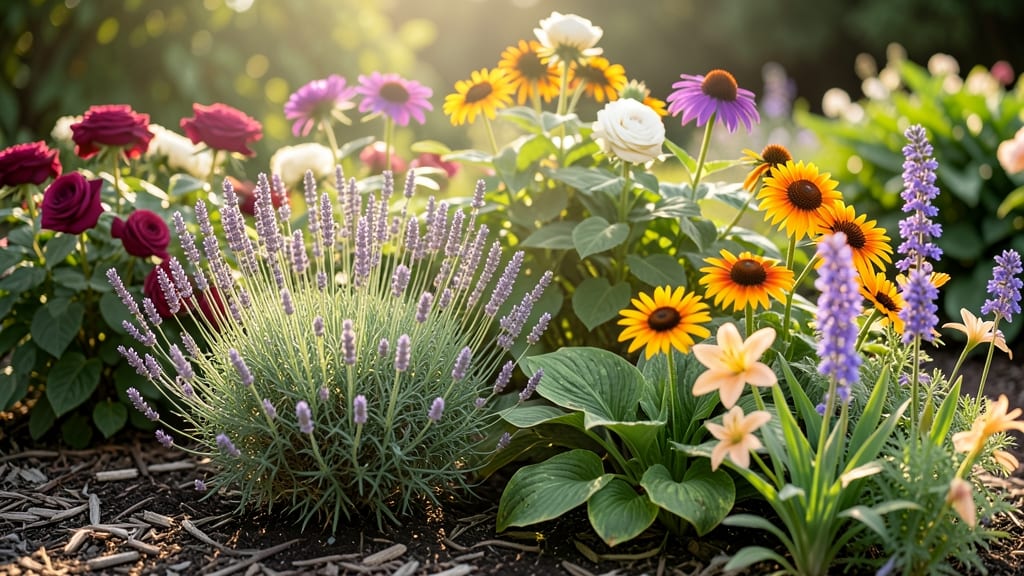
Popular Garden Plants: Pollinator-Friendly Picks for Year-Round Color

Companion Plants

Popular Garden Plants: Pollinator-Friendly Picks for Year-Round Color

Growing popular garden plants that buzz with life and bloom all season is easier than you think—even if your green thumb is still learning.

Imagine stepping outside to a garden teeming with bees, butterflies, and hummingbirds, all while enjoying vibrant flowers that last from spring through fall. The secret? Choosing the right pollinator-friendly plants that thrive with minimal fuss and pack a double punch of beauty and biodiversity.

These versatile, high-demand plants—like lavender, coneflowers, and milkweed—aren’t just pretty faces. They create a year-round buffet for pollinators while fitting seamlessly into any design, from cozy cottage gardens to modern containers.

Whether you’re in a sunny border or a shady corner, there’s a plant that will make your space both stunning and sustainable.

Below, I’ll share my top picks for low-maintenance, high-impact plants, how to arrange them for maximum effect, and the common mistakes that turn gardens into pollinator deserts. Let’s get your yard buzzing!

Top 10 pollinator-friendly garden plants for every season

Creating a pollinator-friendly garden doesn't require complicated designs or rare plants—just the right seasonal bloomers that provide continuous nectar and pollen sources. These top 10 plants are chosen for their year-round appeal, low-maintenance care, and ability to attract bees, butterflies, and hummingbirds in every season.

Whether you're in USDA Zone 3 or Zone 10, this list ensures your garden stays vibrant and buzzing.

What sets these plants apart? They offer diverse bloom times, thrive in varied sunlight conditions, and support local ecosystems without requiring constant attention. From spring ephemerals to winter-hardy evergreens, each plant plays a crucial role in sustaining pollinators.

Below, I’ve organized them by seasonal bloom cycles to help you plan a garden that never goes dormant.

Plant Season Sunlight Hardiness Zones Pollinators Attracted
Crocus Spring Full Sun to Partial Shade 3-8 Early bees, butterflies
Lavender Summer Full Sun 5-9 Bees, butterflies, hummingbirds
Coneflower (Echinacea) Summer-Fall Full Sun to Partial Shade 3-9 Bees, butterflies, finches
Milkweed (Asclepias) Summer Full Sun 3-10 Monarch butterflies, bees
Goldenrod (Solidago) Fall Full Sun to Partial Shade 3-9 Bees, hoverflies, butterflies
Heather (Calluna) Fall-Winter Full Sun to Partial Shade 4-7 Late bees, butterflies
Salvia (Purple Sage) Summer-Fall Full Sun 5-10 Hummingbirds, bees, butterflies
Aster (Symphyotrichum) Fall Full Sun to Partial Shade

How to design a pollinator-friendly garden layout for maximum impact

A pollinator-friendly garden thrives on strategic plant layering and continuous blooms. By combining tall perennials, mid-height shrubs, and ground covers, you create a dynamic ecosystem that supports bees, butterflies, and hummingbirds year-round.

Start with native plants—they’re the backbone of any successful design, offering local pollinators the most reliable food sources.

Layering isn’t just about aesthetics—it’s about functional diversity. Place tall flowering perennials like coneflowers or black-eyed Susans at the back for vertical interest and late-season blooms.

Mid-height shrubs such as butterfly bush or spirea add structure and seasonal color shifts, while creeping thyme or clover on the ground provide early spring forage and soil protection.

🌱 Layering Guide for Pollinator Gardens

  • 🌳 Tall Perennials (4-6 ft): Coneflowers, Joe Pye weed, bee balm (back of border)
  • 🌿 Mid-Height Shrubs (2-4 ft): Butterfly bush, spirea, dwarf ninebark (mid-border)
  • 🌱 Ground Covers (0-1 ft): Creeping thyme, clover, wild strawberries (front of border)
  • 💧 Water Sources: Shallow birdbaths or bogs with native sedges
  • 🌿 Native Plants (Priority!): Milkweed (monarchs), goldenrod (bees), aster (fall pollinators)

Don’t forget water sources—pollinators need them as much as food! A shallow birdbath with pebbles or a small pond with native sedges provides hydration without becoming a mosquito breeding ground.

Place it near sunlit areas where pollinators already gather. For extra impact, add drip irrigation or a misting system during dry spells to keep flowers hydrated and attractive.

Seasonal succession is key to keeping your garden buzzing. Plant early bloomers like crocuses or heather in spring, followed by summer stalwarts like lavender and salvia, and finish with fall favorites such as asters and sedge. This ensures continuous nectar and pollen availability from March through November.

Integrate native plants wherever possible—they’ve evolved alongside local pollinators, making them the most efficient food sources. For example, milkweed is non-negotiable for monarch butterflies, while goldenrod supports bees and hoverflies. Check your USDA hardiness zone to select the best climate-adapted species for your region.

Finally, avoid pesticides and herbicides—they’re invisible threats to pollinators. Opt for organic pest control, like neem oil or companion planting, to keep your garden thriving without harming its tiny visitors.

With these layers in place, your garden will become a pollinator paradise that hums with activity all season long! 🐝🌼

★★★★★4.7(2 reviews)
Categories Companion Plants