
Fertilization
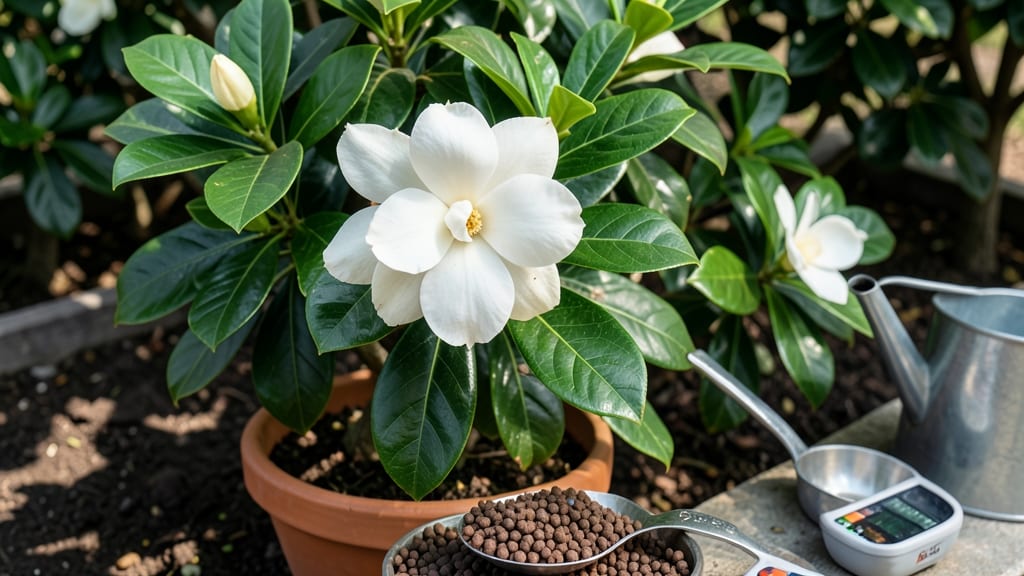
To fertilize gardenias properly, you’ll need a schedule that matches their tropical roots and blooming cycles—typically every 4 to 6 weeks during the growing season, with adjustments for winter dormancy.
Struggling to keep your gardenias blooming as vibrantly as you’d like? The secret isn’t just water or sunlight—it’s a precise fertilization schedule tailored to their tropical roots. Too much or too little, and you’ll end up with sparse blooms or leaf burn, not the lush, fragrant 🌸 displays you’re after.
Gardenias thrive on a balanced fertilizer with a slightly acidic blend—think 10-10-10 or 12-6-6 NPK ratios—but the timing is everything. Feed them lightly in spring as new growth appears, ramp up during summer for blooms, and taper off in fall to prep for dormancy.
Winter? Skip it entirely unless you’re in a frost-free zone.
In this guide, I’ll walk you through the exact feeding schedule by season, how to spot over- or under-fertilization, and whether to reach for organic fish emulsion or a synthetic blend. By the end, your gardenias will be the star of the backyard—no guesswork required.

Optimal fertilization frequency for gardenias by season
Gardenias thrive when their fertilization schedule mirrors their natural tropical growth cycles. These acid-loving shrubs need careful timing to produce those fragrant white blooms you adore. Over-fertilizing can scorch roots, while under-feeding leads to sparse flowers. Let's break down the perfect feeding rhythm by season.
Your gardenias primarily grow and bloom from spring through early fall. This 6-month active period is when they crave consistent nutrients. In cooler climates (USDA Zones 7-9), winter dormancy reduces their needs dramatically.
Tropical regions (Zones 10+) may extend feeding into late fall, but always watch for new growth signals.
Key rule: Always fertilize in the morning hours to prevent leaf burn. Water thoroughly 24 hours before and after feeding. This ensures nutrients reach roots without causing salt buildup. For container gardenias, reduce amounts by 50% since they have limited soil volume.
In spring, begin fertilizing when you spot new leaf growth emerging. Use a balanced fertilizer (10-10-10 ratio) to support both foliage and flower buds. For established plants, apply 1 tablespoon per square foot every 4 weeks until June. This timing aligns with their natural blooming cycle.
Summer feeding should focus on maintaining blooms rather than encouraging new growth. Switch to a bloom-specific formula (like 12-6-6) every 6 weeks. Container gardenias need half the dose due to their limited root space. Always water deeply before fertilizing to prevent root burn.
As temperatures drop in early fall, reduce feeding to every 8 weeks using a light organic fertilizer. This gradual reduction helps gardenias prepare for dormancy. In tropical climates, you can extend feeding through October if new growth appears, but stop by November.
Winter is the only time gardenias truly rest. Skip fertilization entirely during this period. Instead, focus on mulching (2-3 inches of organic mulch
Signs your gardenias need fertilizer (and when to stop)
If your gardenias are throwing tantrums—dropping buds, sporting yellow leaves, or growing slower than a snail on a cold day—your fertilization schedule might be off. Gardenias, with their tropical roots, demand nutrient-rich soil to thrive, but too much or too little can spell disaster.
Learning to read their signals is key to keeping those fragrant blooms coming.
I’ve seen gardeners overfeed their plants, thinking more fertilizer equals better blooms, only to watch their leaves crisp up like toast. Or worse, they skip feeding entirely, leaving their gardenias looking half-dead by summer.
The trick is finding that sweet spot where your plants get just enough nutrients without burning their roots.
🔍 Here’s the hard truth: Gardenias don’t need feeding year-round. In fact, fertilizing during dormancy (winter months) can stress them out. But when they’re actively growing—typically from spring to early fall—they’ll show you exactly what they need. Let’s decode their signals.
⚠️ How Often to Fertilize Gardenias
Gardenias thrive on a 4-6 week schedule during their growing season (April to September). Here’s the golden rule: Feed every 4 weeks in spring/summer and every 6 weeks in early fall to taper off before dormancy. Winter? Zero fertilization—let them rest!
🌱 Pro Tip: Use a balanced acid-loving fertilizer (10-10-10 or 12-6-6) and always water the soil before and after applying to prevent root burn.
Start with the leaves. Healthy gardenia leaves are deep green and glossy. If you spot yellowing leaves—especially older ones—your plant might be phosphorus-deficient, a key nutrient for root and bloom development.
Pair this with sparse or no blooms, and it’s a clear cry for fertilizer. But watch out: if the yellowing starts at the edges and looks scorched, you’ve overdone it.
Slow growth is another red flag. If your gardenia’s new shoots are tiny and leggy or taking forever to appear, it’s begging for nitrogen. Think of nitrogen as the plant’s growth fuel.
Without it, your gardenia will stay stunted, no matter how much sun or water you give it. A quick fix? A light feeding with a nitrogen-rich fertilizer (like fish emulsion) can jumpstart growth in 2-3 weeks.
Root-bound stress is sneaky. If your potted gardenia’s roots are circling the bottom of the pot or poking out of drainage holes, it’s time to repot and fertilize. Root-bound plants can’t absorb nutrients efficiently, so even if you’re feeding regularly, they’ll still look hungry.
Combine repotting with a slow-release fertilizer to give them a steady nutrient supply as they establish new roots.
Over-fertilizing is just as damaging as under-fertilizing. Look for brown leaf tips, crispy edges, or a general wilting appearance—these are classic signs of fertilizer burn. If you’ve recently fed and notice these symptoms, flush the soil with water immediately to dilute excess salts.
Then, hold off on fertilizing for 8-12 weeks to let the plant recover.