
Container Gardens
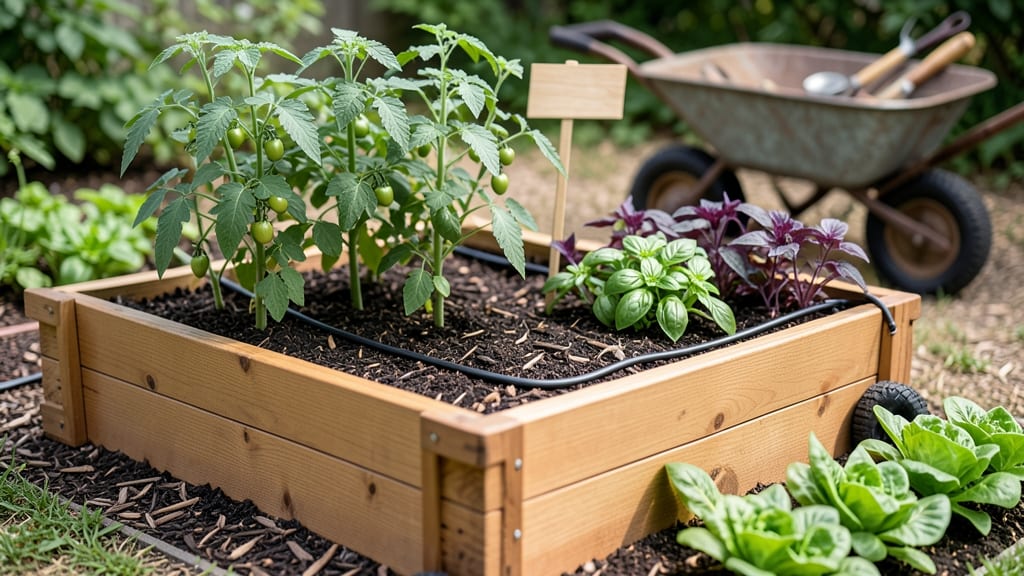
Portable raised garden beds let you transform your gardening game with flexibility and ease—no more being stuck in one spot.
Picture this: It’s March, and your tomatoes are desperate for sunlight, but the shade from your neighbor’s oak tree is winning. With a portable bed, you simply roll it 10 feet south for the afternoon—no digging, no fuss.
That’s the power of mobility, but not all materials deliver the same results.
Whether you’re working with a small balcony, a crowded backyard, or just love testing new layouts, the right materials make all the difference. Lightweight options like composite wood or aluminum keep your beds easy to move, while durability ensures they last through seasons.
Below, I’ll break down the top 5 materials for effortless mobility and long-term performance.
Ready to say goodbye to gardening limitations? Let’s dive into how to choose the perfect portable raised bed for your space—and your plants.
5 Lightweight materials for portable raised garden beds
Portable raised garden beds offer unmatched flexibility in your garden, letting you adjust plant placement for optimal sunlight or seasonal changes. But the material you choose makes all the difference in ease of movement, durability, and long-term performance.
Not every lightweight option holds up to weather or heavy soil—so let’s break down the best choices for your needs. Whether you prioritize sustainability, low maintenance, or budget-friendly solutions, there’s a perfect fit.
When selecting a material, consider three key factors: weight per square foot, lifespan, and ease of assembly. A 4x8-foot bed filled with soil can weigh 1,000+ pounds, so your material must handle that load without becoming a back-breaking chore.
Below, I’ll compare the top five lightweight materials, including their pros, cons, and best use cases—so you can make an informed decision for your garden layout.
⚠️ Pro Tip: Always check the manufacturer’s weight limits before filling your bed. Overloading can warp materials or make them impossible to move later.
If you’re looking for the lightest option, aluminum is the clear winner—weighing just 0.5-1 pound per square foot. This makes it ideal for frequent movers or those with limited strength.
However, aluminum beds can be costlier upfront and may lack the aesthetic appeal of wood or composite materials. For a balance of weight and longevity, composite wood is a fantastic middle-ground choice, offering rot resistance and a natural look without the maintenance of traditional wood.
Plastic HDPE beds are another top contender for ease of mobility, especially in urban gardens where space is limited. They’re affordable, low-maintenance, and come in a variety of colors.
How to choose the right portable garden bed for your needs
Selecting the perfect portable raised garden bed starts with understanding your unique gardening needs. Are you growing lightweight herbs like basil and parsley, or do you need space for heavier crops like tomatoes and peppers?
Your answer will determine the bed weight, size, and material you should prioritize. For example, a 4x8-foot aluminum bed might be ideal for a sun-loving garden, while a 2x4-foot composite wood bed works better for balcony gardens.
Consider how often you’ll move your bed. If you’re rotating crops or chasing sunlight, opt for a lightweight option like recycled plastic or aluminum. However, if mobility is less critical and durability is your top concern, a heavier galvanized steel bed might be worth the trade-off.
Balance is key—you don’t want a bed so heavy you can’t move it, but you also don’t want one that collapses after a few seasons.
Your budget will narrow down your choices significantly. A $50 plastic bed might work for a single season of annual flowers, but if you’re investing in perennial herbs or vegetables, a $200-$400 composite wood or aluminum bed will pay off in longevity.
Think about the long-term value: Will you use this bed for years, or is it a one-time project?
Portable Raised Garden Bed Considerations
Pros
- Flexibility: Move beds to optimize sunlight or shade.
- Soil control: Prevent weeds and pests with custom soil mixes.
- Accessibility: Reduce bending for back-friendly gardening.
- Space efficiency: Ideal for small yards or balconies.
Cons
- Weight limits: Heavier materials reduce mobility.
- Initial cost: Higher upfront price than in-ground beds.
- Maintenance: Some materials require seasonal sealing.
- Drainage concerns: Poor-quality beds may waterlog soil.
Think about the types of plants you’ll grow. Deep-rooted crops like carrots or potatoes need at least 12 inches of soil depth, while shallow-rooted herbs like thyme or oregano thrive in 6-inch beds.
If you’re growing heavy fruiting plants like watermelons or squash, ensure your bed has reinforced sides to support the weight. For container-friendly greens, a 6x12-inch bed is often sufficient.
Don’t overlook weatherproofing and stability. If you live in an area with heavy rain or strong winds, look for beds with built-in drainage holes and wide bases to prevent tipping.
Materials like galvanized steel or treated wood resist rot and rust better than untreated options. For urban gardens, consider beds with locking wheels or non-slip pads to keep them secure.
Finally, plan for future expansion. If you’re starting small but envision adding more beds, choose a modular system that lets you connect beds as your garden grows. Some brands offer interlocking designs that create larger planting areas while keeping individual beds portable.
This way, you can start with one 4x4-foot bed and expand to a 8x8-foot setup without sacrificing mobility.
With these factors in mind, you’ll find the perfect portable garden bed that balances practicality, durability, and ease of use—so you can focus on what matters most: growing your garden with confidence. 🌱