
Watering
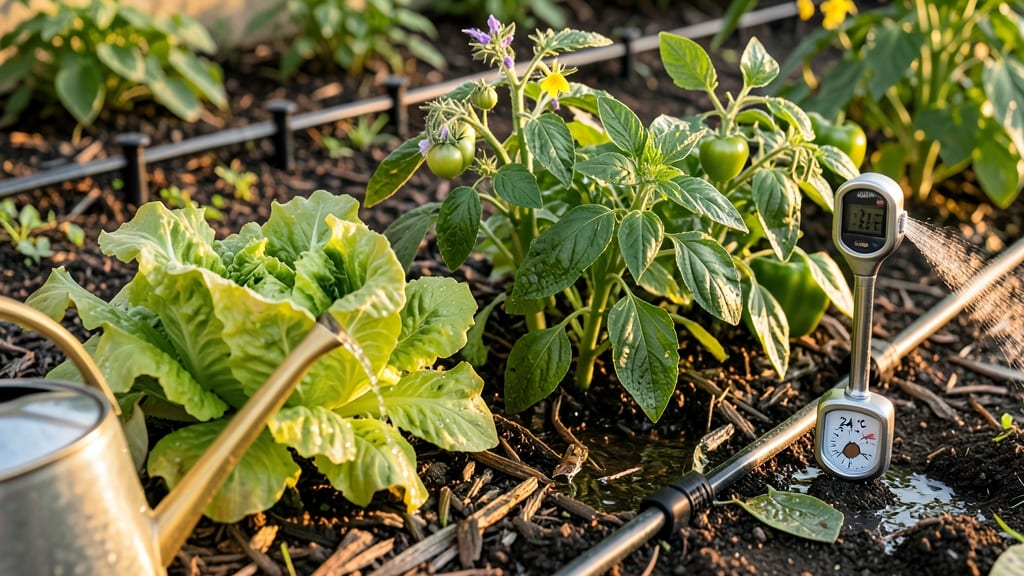
Watering your vegetable garden every day may seem like the best way to keep plants thriving, but it can actually harm more than help — especially if you’re not accounting for soil type, weather, or plant needs.
Overwatering your vegetable garden can be just as damaging as underwatering, yet many gardeners make this common mistake, thinking "more water means healthier plants." But how often should you really water, and what are the hidden risks of daily irrigation?
Most vegetables need deep, infrequent watering rather than daily shallow soaks, which can lead to root rot, fungal diseases, and wasted water. The key is understanding your garden’s unique conditions — from sandy soil that drains fast to clay that holds moisture for days.
In this guide, I’ll break down the science of smart watering schedules, help you spot the signs of overwatering, and tailor your approach to different plants and seasons. By the end, you’ll know exactly how to keep your garden healthy without drowning it.
How often should you water your vegetable garden: daily vs. smart scheduling
Watering your vegetable garden isn't a one-size-fits-all task. While some plants like leafy greens thrive with frequent moisture, others like root vegetables prefer deep but infrequent watering. The key is understanding your plants' unique needs and adjusting your schedule accordingly.
Daily watering can actually harm many vegetables by promoting root rot or fungal diseases, especially in heavy clay soils.
Most vegetable gardens need 1-1.5 inches of water per week, but this varies by climate zone, season, and plant type. For example, my tomatoes in USDA Zone 7 need deep watering every 2-3 days in summer, while my carrots prefer consistent moisture but hate soggy soil.
The solution? A smart scheduling approach that considers soil type, weather, and plant life stages.
Soil type plays a huge role in watering frequency. Sandy soils drain quickly and may need daily watering, while clay soils hold moisture longer and can go 5-7 days between waterings. I always test my soil's moisture by sticking my finger 2 inches deep—if it's dry, it's time to water. Mulching with straw or wood chips helps retain moisture and reduces evaporation, cutting your watering needs by up to 30%.
Here's a quick comparison to help you decide when to water daily versus when to space it out:
| Factor | Daily Watering | Smart Scheduling |
|---|---|---|
| Plant Type | Leafy greens (lettuce, spinach), herbs (basil, cilantro) | Root crops (carrots, potatoes), fruiting plants (tomatoes, peppers) |
| Soil Type | Sandy or fast-draining soils | Clay or loamy soils |
| Climate | Hot, dry summers (Zone 8-10) | Temperate or humid climates (Zone 4-7) |
| Plant Stage | Seedlings or young transplants | Mature plants in flowering/fruiting stage |
| Watering Time | Morning or evening (light watering) | Deep watering in early morning |
| Risks | Surface drying, fungal growth | Root rot, uneven growth |
Leafy greens like lettuce and spinach often benefit from daily watering because they have shallow roots and wilt quickly in dry soil. However, even these plants prefer consistent moisture over soggy conditions.
I water mine in the morning to prevent fungal diseases and give them time to dry out during the day. For root vegetables like carrots and beets, deep watering every 3-4 days encourages stronger root development.
Your climate zone also dictates watering frequency. In arid regions like Arizona, daily watering might be necessary, while in humid climates like the Pacific Northwest, you might only need to water every 5-7 days.
Pay attention to rainfall patterns—I adjust my schedule based on weekly forecasts, reducing watering when rain is expected. A simple rain gauge helps track accumulation and prevents overwatering.
One of the biggest mistakes I see is watering based on a fixed schedule rather than plant and soil conditions. Instead, use the finger test: Insert your finger 2 inches into the soil. If it feels dry, water deeply until moisture reaches 6 inches down.
This encourages deep root growth and reduces the need for frequent watering. For container gardens, check soil moisture daily since pots dry out faster.
Seasonal changes also affect watering needs. During hot summer months, I increase frequency but reduce volume per session to prevent runoff. In cooler spring or fall, I water less often but ensure the soil stays moist.
Mulching with straw or wood chips helps maintain even moisture levels and reduces evaporation, making your watering schedule more predictable. I’ve seen mulched beds stay moist 20% longer than unmulched ones.
If you're still unsure, observe your plants. Wilting leaves usually mean it's time to water, but yellowing leaves or mushy stems signal overwatering. Adjust your schedule based on these visual cues.
For example, my peppers started wilting in the afternoon heat, so I switched to early morning watering and saw immediate improvement. Small adjustments like this make a big difference in plant health.
Remember, the goal is consistent moisture, not a rigid schedule. By understanding your plants, soil, and climate, you can create a watering routine that keeps your vegetable garden thriving without wasting water or risking plant stress.
Start with these guidelines, then fine-tune based on what works best for your specific garden.
Signs of overwatering your vegetable garden: how to spot and fix it
If your vegetable garden feels like a soggy swamp, you’re likely overwatering—even if it seems counterintuitive. Overwatering suffocates roots, invites pests, and creates the perfect conditions for fungal diseases like powdery mildew. The tricky part? Many symptoms mimic underwatering, like yellowing leaves or stunted growth, making it easy to misdiagnose.
I’ve seen this mistake firsthand in my own garden—especially with leafy greens like lettuce and spinach, which wilt dramatically when overwatered. The key is learning to read your plants and soil. Let’s break down the tell-tale signs and how to fix them before your harvest suffers.
⚠️ Warning: Daily Watering Isn’t Always Better
Myth: "More water = happier plants." Reality: Most vegetables thrive on deep, infrequent watering (1-2 inches per week, including rain). Daily light watering keeps the topsoil moist but leaves roots gasping for air. Test your soil: Stick your finger 1-2 inches deep—if it’s damp, wait. If it’s dry, water deeply until moisture reaches 6 inches down.
One of the first red flags is yellowing leaves, especially on older foliage. Unlike nutrient deficiencies, overwatering causes yellowing from the bottom up because roots can’t absorb oxygen in waterlogged soil. Wilting is another clue—even if the soil feels wet, plants can’t uptake water when roots suffocate.
Check for mold or fungus on soil or stems, like white powdery spots or slimy patches. These are clear signs of excess moisture. Root rot is the silent killer—it starts with mushy, brown roots and spreads quickly.
If you pull a plant and the roots smell foul or crumble, you’ve waited too long to act.
To fix overwatering, start with better drainage. Amend heavy clay soil with compost or sand to improve airflow. Raise beds or containers to prevent water pooling. Mulch with straw or wood chips to regulate moisture—it keeps soil cool and reduces evaporation while preventing daily soaking.
Adjust your watering schedule based on your vegetable type. Root crops like carrots and potatoes need consistent moisture but hate soggy soil, while tomatoes and peppers prefer slightly drier conditions. Water deeply in the morning to let foliage dry before evening, reducing fungal risks.
Remember: Healthy soil is your best tool. Test your soil’s moisture retention with a simple percolation test—dig a hole, fill it with water, and time how long it drains.
If water pools after 6 hours, your soil needs more organic matter. With these fixes, your garden will thrive without the guesswork.