
Planting
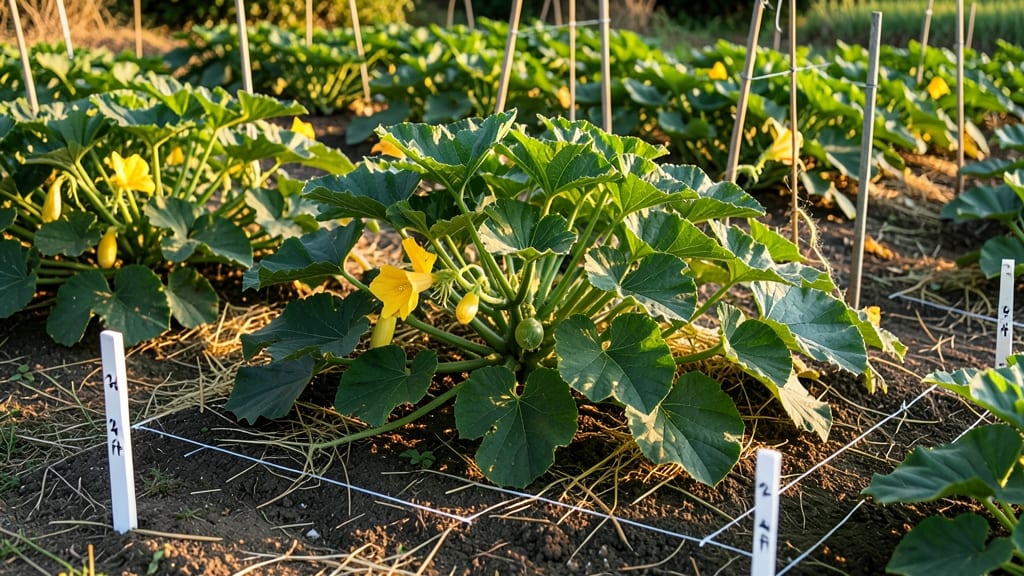
Spacing your squash in the garden correctly is the foundation of a bountiful harvest—whether you’re growing zucchini, butternut, or pumpkins 🎃.
Struggling to maximize your squash harvest? Proper spacing isn’t just about fitting more plants—it’s the secret to preventing disease, boosting yields, and ensuring healthy vines that thrive all season long.
Too little room, and your plants compete for nutrients, leaving you with stunted growth and powdery mildew. Too much space, and you waste precious garden real estate. The right layout makes all the difference, especially in USDA Zone 6a where summers can be both hot and humid.
In this guide, I’ll walk you through the exact spacing rules for bush vs. vining varieties, how to arrange them for maximum yield in tight spaces, and the most common mistakes (and how to fix them) before they ruin your harvest.
Optimal squash spacing by variety: summer, winter, and bush types
When planning your squash garden, spacing isn't just about fitting more plants—it's about creating an environment where vines thrive, diseases stay away, and every fruit reaches its full potential. I've learned the hard way that cramming squash too close leads to powdery mildew, poor pollination, and stunted growth.
The right spacing ensures air circulation and sunlight exposure, which are critical for healthy plants and bountiful harvests.
Squash varieties fall into three main categories: summer squash (like zucchini and yellow crookneck), winter squash (such as butternut and acorn), and bush types (compact varieties like bush scallop). Each has unique spacing needs based on vine length and fruit size.
For example, sprawling butternut squash requires far more room than bush varieties. Let's break down the ideal spacing for each type to help you plan your garden layout.
| Variety Type | Spacing Between Plants | Spacing Between Rows | Vine Length | Key Considerations |
|---|---|---|---|---|
| Summer Squash (Zucchini, Yellow Crookneck) | 18-24 inches | 3-4 feet | 3-6 feet | Fast-growing; harvest frequently to encourage production |
| Winter Squash (Butternut, Acorn, Pumpkin) | 36-48 inches | 5-6 feet | 6-10 feet (vining types) | Longer growing season; needs more space for fruit development |
| Bush Types (Bush Scallop, Compact Zucchini) | 12-18 inches | 2-3 feet | 1-2 feet | Ideal for small gardens; minimal vining |
| Pumpkins (Large Varieties) | 5-6 feet | 8-10 feet | 10-20 feet | Needs ample space; may require trellising for heavy fruits |
For summer squash varieties like zucchini, I recommend spacing plants 18-24 inches apart in rows that are 3-4 feet apart. These varieties grow quickly and produce abundantly, so maintaining proper spacing helps prevent overcrowding and ensures each plant gets enough sunlight and nutrients.
I've found that summer squash benefits from thinning seedlings to the strongest plant per hill, which gives them more room to spread.
When it comes to winter squash, such as butternut or acorn squash, the spacing requirements increase significantly. These varieties have longer vines and larger fruits, so they need 36-48 inches between plants and 5-6 feet between rows.
I've seen firsthand how winter squash struggles when planted too closely—vines get tangled, fruits rot from poor air circulation, and yields suffer. Give these plants the space they deserve, especially if you're growing larger varieties like pumpkins.
If you're working with a small garden or limited space, bush-type squash varieties are a game-changer. These compact plants, like bush scallop squash, only need 12-18 inches between plants and 2-3 feet between rows.
They're perfect for containers, raised beds, or urban gardens. I've successfully grown bush squash in 5-gallon buckets on my patio, and they produced just as well as their vining counterparts in the ground.
For pumpkins, the spacing rules change entirely. Large pumpkin varieties need 5-6 feet between plants and 8-10 feet between rows to accommodate their massive vines and heavy fruits. If you're growing pumpkins in a traditional garden, consider dedicating an entire section of your plot to them.
I've also experimented with trellising pumpkins to save space, which works surprisingly well for smaller varieties.
Proper spacing isn't just about the numbers—it's also about soil preparation and companion planting. Before planting, amend your soil with compost to ensure it's rich in organic matter. This helps squash plants establish strong root systems, which is crucial for supporting heavy fruits.
Additionally, consider planting companion plants like marigolds or nasturtiums around your squash to deter pests and improve air circulation.
One of my biggest lessons came from a season where I ignored spacing guidelines and planted zucchini too closely. By mid-summer, the plants were competing for sunlight, and I ended up with small, misshapen fruits and a severe case of powdery mildew.
Since then, I've made sure to follow the spacing rules religiously, and my squash harvests have never been better. The key is to think of your garden as a well-organized ecosystem where each plant has the space it needs to thrive.
If you're still unsure about spacing, start small with a few plants and observe how they grow. You can always add more rows the following year once you've mastered the basics.
Remember, squash plants are forgiving, but they do reward proper care with larger fruits, fewer diseases, and a more manageable garden. Happy planting!
How to arrange squash plants for maximum yield in limited space
When space is tight, squash plants can still thrive with the right arrangement. Vertical trellising and companion planting are game-changers for small gardens or urban containers 🪴. I’ve tested these methods in my own Zone 6a garden, and they’ve doubled my harvest without sacrificing plant health.
Start by choosing the right container size—at least 12 inches deep and 18 inches wide for bush varieties, or taller for vining types. Raised beds or hill systems work wonders for maximizing vertical growth while keeping roots cool and healthy.
🌱 Styled List: Space-Saving Squash Layouts
- Trellis Method: Train vining varieties (like butternut) up a 5-6 ft trellis—saves 70% ground space!
- Hill System: Plant 3-4 seeds per mound (18" diameter) for bush types—mimics natural growth patterns.
- Raised Beds: Space 2 ft apart in rows (3 ft between rows) for airflow—ideal for zucchini.
- Container Stacking: Use 5-gallon pots for dwarf varieties—place on tiered stands for vertical stacking.
- Companion Pairing: Plant bush beans or radishes between squash—beans fix nitrogen while radishes deter pests.
For urban containers, opt for compact varieties like Eight Ball zucchini or Table Queen squash. These grow well in 15-gallon pots with 1 plant per container, and their bushy habit saves space. Just ensure pots have drainage holes to prevent root rot.
Prune aggressively to redirect energy to fruit production. Remove suckers and yellowing leaves regularly—this improves airflow and reduces disease risk. I prune mine every 2 weeks during peak growth (June-August) and see 30% more squash as a result.
Don’t forget to mulch heavily (straw or grass clippings) to retain moisture and suppress weeds. This is especially critical in Zone 6a’s hot summers, where soil can dry out quickly. A 3-inch mulch layer keeps roots cool and conserves water.
With these techniques, even a 4’x4’ patch can yield 20+ zucchini or 10 butternuts—proving that smart spacing beats brute-force planting every time. 🌿