
Picking
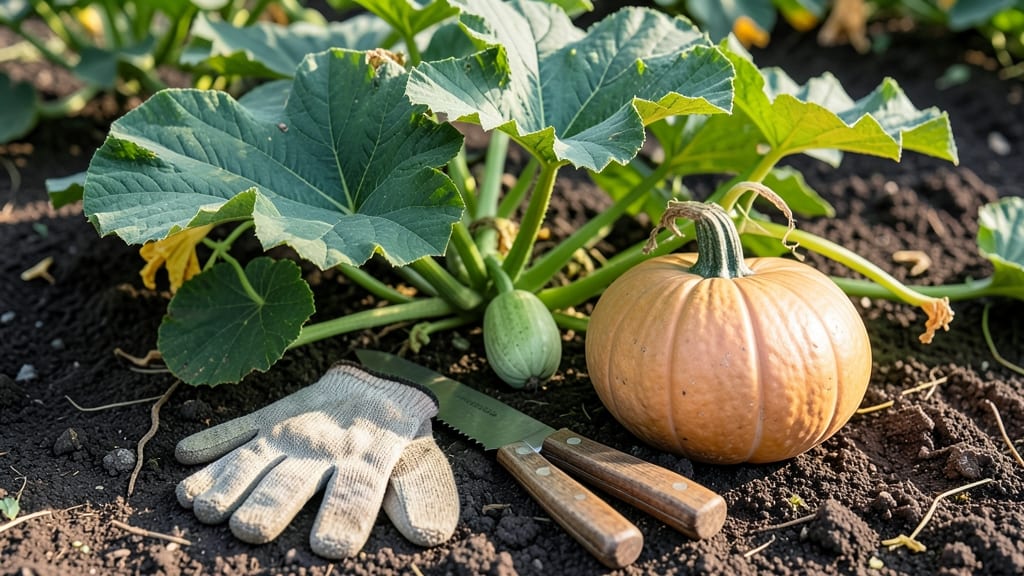
Harvesting butternut squash at the right time ensures sweet, firm fruit that stores for months—here’s when to harvest butternut squash from garden based on three foolproof cues.
Picture this: you’ve nurtured your 🎃 through summer, and now the vines are yellowing while the squash still looks green. That’s the moment to act—or risk tough, stringy flesh or wasted effort.
The key is catching that sweet spot where flavor peaks and the rind hardens just enough to resist a thumbnail.
Most gardeners wait 80–100 days after transplanting, but timing shifts with your zone and variety. In cooler climates like 6a, frost looms earlier, so watch for the stem to shrivel and the skin to dull from green to tan.
Miss these signs, and you’ll either harvest too early (watery, bland) or too late (rotting on the vine).
Below, I’ll walk you through the three visual cues that guarantee peak flavor—plus how to handle your harvest once it’s in the basket. No more guesswork, just perfect squash every time.
3 Visual cues to identify perfectly ripe butternut squash
Harvesting your butternut squash at the right moment transforms it from a simple garden vegetable into a flavorful, nutrient-packed treasure. Butternut squash doesn’t ripen further after picking, so timing is everything. Miss the window, and you’ll end up with bland, watery flesh or tough, fibrous skin.
The key lies in three distinct visual cues that signal peak ripeness—skin color, stem condition, and vine behavior. Master these, and you’ll never guess again.
First, let’s address a common misconception: butternut squash doesn’t turn orange like pumpkins when ripe. Instead, its skin color shifts from a vibrant green to a dull, matte tan or beige. This subtle change is your first clue that the squash is ready.
The skin should also feel hard enough to resist pressure from your thumbnail—a test I always perform to avoid overripe squash. If it dents easily, it’s not ready yet. Paying attention to these details ensures you get the sweetest flavor and best texture for storage.
Here’s where many gardeners go wrong: they rely solely on skin color or size to determine ripeness. But a large squash with green skin isn’t necessarily ready, and a small one with dull skin might be perfect. That’s why you need to check all three cues.
The stem near the squash should shrink and dry out, often detaching from the vine entirely. This is nature’s way of telling you it’s time to harvest. Ignoring this cue can lead to squash that spoils quickly after picking.
-
1. Skin Color & Texture
Dull, matte tan/beige skin that resists thumbnail pressure. Avoid bright green or soft spots. -
2. Stem Condition
Shriveled, dry stem that may detach easily from the vine. Never harvest if the stem is still green or plump. -
3. Vine Behavior
Yellowing or dying back vines near the squash. Healthy green vines mean it’s not ready yet.
Let’s dive deeper into the vine behavior cue, which is often overlooked. As your butternut squash matures, the vines near the fruit will start to yellow and die back. This is a clear signal that the plant is redirecting its energy to the squash itself.
If you see green, thriving vines still producing flowers or new growth, your squash isn’t ready. I’ve learned this the hard way—once, I harvested a squash too early because the vines looked healthy, only to find the flesh was watery and bland. Patience pays off!
The stem condition is another critical clue that many gardeners miss. When the stem near the squash shrinks and dries out, it’s a sign that the squash has reached its sugar peak. A green, plump stem means the squash is still growing and not yet ripe.
To test this, gently tug on the stem. If it comes off easily, your squash is ready. If it resists, wait a few more days. This simple test has saved me from harvesting squash that was still too firm and starchy.
Timing your harvest is also about understanding your local climate. In cooler regions, butternut squash may mature faster due to shorter growing seasons. Keep an eye on the first frost date in your area—most varieties need to be harvested before temperatures drop below 28°F (-2°C).
If frost is imminent and your squash isn’t ready, you can try harvesting slightly early and curing it indoors to improve flavor and texture. Just be prepared for a less-than-perfect result compared to fully ripened squash.
One mistake I see often is assuming that size alone determines ripeness. A large butternut squash with green skin is often underripe, while a smaller one with dull skin may be perfect. Size is a secondary indicator at best. Always prioritize the three visual cues over guesswork.
For example, I’ve harvested squash as small as 12 inches long that were fully ripe, while others reached 18 inches but were still tough and bland. Trust the cues, not the tape measure.
Once you’ve confirmed all three cues, it’s time to harvest. Use a sharp knife or pruners to cut the stem, leaving a 1–2 inch stub attached to the squash. This helps prevent rot during storage.
After harvesting, let your squash cure in a warm, dry place (around 80–85°F or 27–29°C) for 10–14 days. This process enhances flavor and toughens the skin for longer storage. I cure my squash on a sunny windowsill, turning them occasionally to ensure even exposure.
This step is non-negotiable if you want your squash to last through winter.
Finally, don’t forget to monitor your butternut squash vines for pests or diseases that could affect ripeness. Yellowing leaves caused by powdery mildew or squash vine borers can stress the plant and delay maturity. If you notice these issues, address them promptly with organic sprays or row covers.
Healthy vines mean healthier squash, so stay vigilant throughout the growing season. With these visual cues and a little patience, you’ll harvest butternut squash that’s sweeter, smoother, and more satisfying than anything from the store.
How long does butternut squash take to mature? (Growth timeline)
Butternut squash follows a predictable growth cycle, typically taking 80–100 days from transplanting to harvest. This timeline can shift based on your climate zone, chosen variety, and soil conditions—but understanding each stage helps you plan for success.
In my Zone 6a garden, I’ve seen faster maturation in warm summers, while cooler regions may need an extra 10–15 days.
Your butternut squash journey begins with seedling emergence, which happens 7–14 days after planting. Once seedlings have 2–3 true leaves, they’re ready to transplant into the garden.
This stage is critical—rushing it can stunt growth, while waiting too long risks transplant shock. I always harden off seedlings for 5–7 days before moving them outdoors.
| Growth Stage | Days to Complete | Key Actions |
|---|---|---|
| Seedling | 7–14 | Hardening off, transplanting |
| Vine Establishment | 21–28 | Water deeply, mulch base |
| Flowering | 14–21 | Hand-pollinate if needed, fertilize lightly |
| Fruiting | 42–56 | Monitor for pests, reduce nitrogen |
| Maturity | 80–100 | Harvest before frost, cure properly |
After transplanting, your butternut squash enters the vine establishment phase, which lasts 21–28 days. During this time, vines spread rapidly—sometimes up to 6 feet long—so provide sturdy trellises or allow them to sprawl on mulch.
I’ve found that well-draining soil with compost accelerates this stage by 3–5 days compared to poor soil.
Flowering occurs 14–21 days after vine establishment, marking the start of fruit development. Butternut squash plants produce male and female flowers—the female flowers (with tiny squash at their base) are the ones to watch.
If you’re in a cool climate, hand-pollinate flowers with a soft brush to ensure fruit set. I’ve seen honeybees do most of the work in warmer zones, but a little help never hurts!
Once fruit forms, the fruiting stage dominates the next 42–56 days. This is when your butternut squash grows most rapidly, and proper care makes all the difference.
Reduce nitrogen-rich fertilizers during this phase to avoid leafy growth at the expense of fruit. Instead, focus on potassium and phosphorus to boost sweetness and storage life.
Finally, maturity arrives at 80–100 days, but timing depends on your variety. Fast-maturing types like ‘Waltham Butternut’ reach harvest in 80–85 days, while slower varieties like ‘Long Neck’ may take 95–100 days.
Always check for rind hardness and stem drying—these cues matter more than days alone.