
Tools
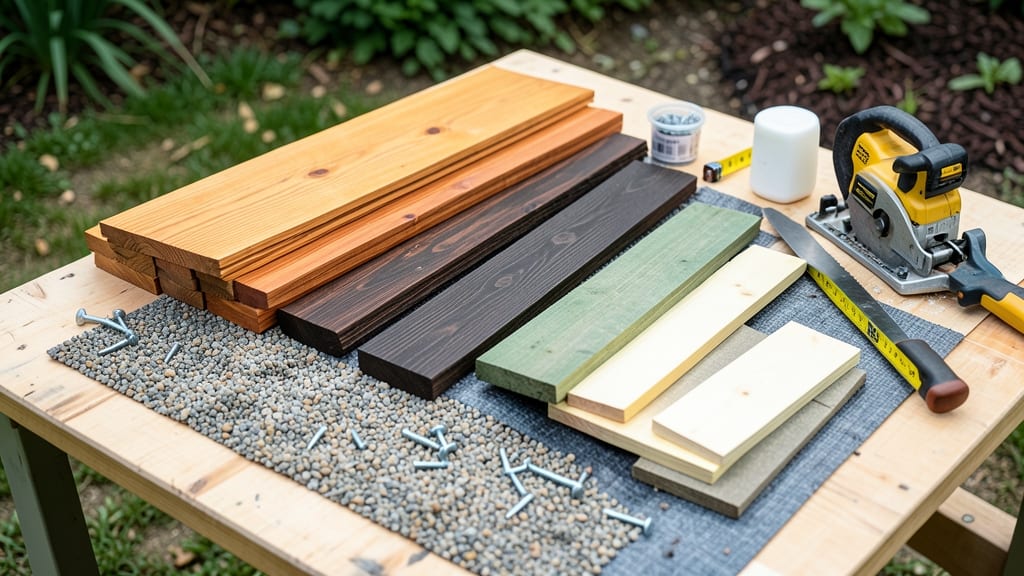
What wood to use for a garden bed keeps plants healthy and your investment lasting for years—cedar, redwood, or black locust are the top choices for rot resistance and natural beauty.
Picture this: you’ve spent hours building the perfect raised bed, only to watch it crumble after a rainy season because the wood wasn’t up to the task. That’s why material matters—some woods leach chemicals, warp, or decay faster than others, turning your garden project into a costly mistake.
Not all woods are created equal. Cedar and redwood resist rot naturally, while pressure-treated lumber can leach harmful chemicals into soil. Meanwhile, budget-friendly options like recycled plastic or properly sealed pine offer practical alternatives without breaking the bank.
In this guide, I’ll break down the best woods for durability, cost, and aesthetics—plus how to prep and maintain them so your garden bed stays strong for seasons to come.
Best wood types for garden beds by rot resistance & longevity
When building a garden bed, the wood you choose directly impacts your plants' health and your garden's longevity. Rot-resistant woods prevent decay, while chemical-free options protect edible crops.
I’ve tested the top choices—cedar, redwood, black locust, and composite lumber—to help you make an informed decision based on durability, cost, and maintenance.
Not all woods are created equal. Some, like pressure-treated lumber, contain chemicals that can leach into the soil, harming your vegetables. Others, like black locust, naturally resist rot and pests without treatment.
Let’s break down the best options to ensure your garden bed lasts for years without compromising plant safety.
⚠️ Key Considerations: Always avoid CCA-treated wood (pre-2004) for edible gardens, as it contains arsenic. Instead, opt for ACQ-treated lumber or naturally resistant woods. Now, let’s compare the top performers in my garden.
Cedar is my top pick for most gardeners. It’s naturally rot-resistant and repels insects, making it ideal for edible gardens. The aromatic oils in cedar deter pests like termites and beetles, so you won’t need chemical treatments. Plus, it ages beautifully, developing a silvery patina over time that adds character to your garden.
If you’re in a coastal climate with high humidity, redwood is a fantastic alternative. It handles moisture better than cedar and resists warping, though it’s slightly less durable in the long run. Redwood’s rich color also adds a premium look to raised beds, perfect for ornamental gardens.
Black locust is the ultimate long-term investment. This wood is nearly indestructible, with a lifespan of 20-30 years even in harsh conditions. It’s also 100% chemical-free, making it safe for organic gardens. The downside? It’s harder to find and more expensive, but the durability justifies the cost for serious gardeners.
For a low-maintenance solution, composite lumber is a game-changer. Made from recycled wood fibers and plastics, it never rots, warps, or splinter. Brands like Trex offer food-safe options, so you can use it in vegetable beds without worry. It’s pricier upfront but eliminates the need
Budget-friendly wood options that won’t sacrifice durability
When building a garden bed on a budget, you don’t have to compromise on durability. Pressure-treated lumber and treated pine are popular choices that balance affordability with practicality. The key is selecting the right type and preparing it properly to prevent rot and warping over time.
For DIY gardeners, recycled plastic lumber is another excellent option. It resists rot, insects, and warping while being lightweight and easy to work with. While it may have a higher upfront cost, its longevity makes it cost-effective in the long run.
Always check for ACQ-treated lumber (alkaline copper quaternary) instead of older CCA-treated wood (chromated copper arsenate), which contains arsenic. This ensures your garden bed is safe for growing vegetables and herbs.
Budget-Friendly Wood Options for Garden Beds
Pressure-Treated Lumber
Pros:
- Affordable
- Resists rot and insects
- Widely available
Cons:
- Requires sealing
- May contain chemicals (choose ACQ-treated)
- Can warp over time
Recycled Plastic Lumber
Pros:
- No rot or warping
- Lightweight and easy to cut
- Safe for edible gardens
Cons:
- Higher upfront cost
- Limited color options
- Can get hot in sun
Treated Pine
Pros:
- Budget-friendly
- Easy to find
- Good for short-term use
Cons:
- Less durable than cedar
- Needs sealing
- Shorter lifespan
If you’re working with treated pine, always apply a waterproof sealant before assembling your garden bed. This extra step adds a layer of protection against moisture, extending the wood’s lifespan significantly.
For long-term durability, consider using black locust or cedar if your budget allows. While more expensive upfront, these woods naturally resist rot and insects, requiring minimal maintenance over time.
No matter which option you choose, always elevate your garden bed at least 6 inches off the ground to improve drainage and reduce direct soil contact, which can accelerate rot.