
Planting
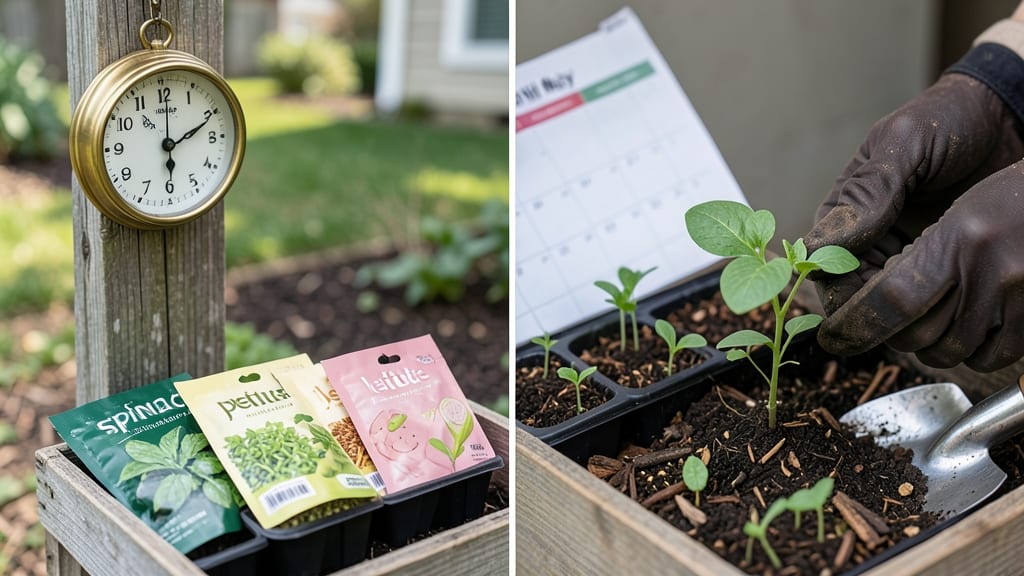
Planting your garden in Michigan starts as soon as the soil warms and the last frost date passes — typically late April to early May, depending on your zone.
Michigan’s unpredictable spring weather can turn a gardener’s excitement into frustration—knowing the exact planting dates for your zone is the key to a thriving garden.
From cool-season crops like spinach and peas to warm-season favorites such as tomatoes and peppers, timing matters. Plant too early, and a late frost will wipe out your hard work; too late, and you’ll miss the short growing season entirely.
In this guide, I’ll break down the best planting windows for your specific Michigan zone, share pro tips for extending your season, and help you avoid common mistakes that even experienced gardeners make.
Michigan planting zones explained: last frost dates by region
Michigan’s planting zones range from 5b in the north to 6b in the south, creating big differences in last frost dates. These zones determine when you can safely plant cool-season crops like lettuce or warm-season plants like tomatoes without risking frost damage.
Understanding your zone helps you plan for a longer growing season.
Southern Michigan—including Detroit and Ann Arbor—typically falls in USDA Zone 6b, with an average last frost date around April 20–May 5. Northern Michigan, like Traverse City and Marquette, is often in Zone 5b, where frost lingers until May 10–20.
These dates shift yearly, so always check local forecasts.
Why frost dates matter: Planting too early can kill tender seedlings, while waiting too long shortens your harvest window. For example, peas and spinach can handle light frosts, but tomatoes and peppers need warm soil and air temperatures consistently above 50°F (10°C).
Here’s a quick guide to Michigan’s last frost dates by region, based on historical averages:
| Region | USDA Zone | Avg. Last Frost | Safe Planting Window |
|---|---|---|---|
| Southern Michigan (Detroit, Ann Arbor) | 6b | April 20–May 5 | Cool crops: March 15–April 15 Warm crops: May 10–June 1 |
| Central Michigan (Lansing, Kalamazoo) | 6a | April 25–May 10 | Cool crops: March 30–April 20 Warm crops: May 15–June 10 |
| Northern Michigan (Traverse City, Marquette) | 5b | May 10–20 | Cool crops: April 1–April 25 Warm crops: May 25–June 15 |
| Upper Peninsula (Marquette, Houghton) | 4b–5a | May 20–June 1 | Cool crops: April 15–May 5 Warm crops: June 1–July 1 |
In Zone 6b (southern Michigan), you can start direct-sowing cool crops like peas and radishes as early as late March, but wait until after the last frost for warm-season plants. In Zone 5b (northern Michigan), even hardy greens may need to wait until mid-April to avoid frost.
Pro tip: Use row covers or a cold frame to extend your planting window by 2–3 weeks in colder zones. These tools protect seedlings from late frosts while letting sunlight through. For example, I’ve used row covers to plant broccoli in early April in Zone 5b without issues.
Always verify soil temperature before planting—warm-season crops like tomatoes and peppers need soil at least 60°F (15°C). A soil thermometer is a game-changer for avoiding failed starts. In my garden, I wait until late May in Zone 6b to plant tomatoes, even if the air feels warm.
Michigan’s first frost dates also vary: Southern Michigan sees frost around October 10–20, while the north may freeze by September 20–October 5. Plan your fall planting (like kale or spinach) accordingly—these crops can handle light frosts and even taste sweeter after a frost!
For real-time updates, check the Michigan State University Extension or local National Weather Service alerts. These resources provide hyperlocal frost predictions that can shift your planting timeline by days or even weeks. Don’t let Michigan’s unpredictable springs catch you off guard—plan ahead!
Zone-specific planting calendar: what to plant when in Michigan
Michigan’s cool springs and late frosts demand a strategic approach to planting. Warm-season vegetables like tomatoes and peppers need to wait until after the last frost, while cool-season crops like spinach and peas thrive in early spring. Understanding these windows ensures your garden avoids frost damage and maximizes yields.
Southern Michigan (zones 5b-6b) typically has earlier last frost dates (mid-April to early May), while Northern Michigan (zone 5a-5b) can experience frosts until late May. Always check your local frost-free dates—they’re your planting roadmap.
- Early Spring (March-April): Plant cool-season crops like peas, spinach, and lettuce. Soil temps should be 40-50°F.
- Mid-Spring (May): Wait until after last frost (avg. May 10-20) for tomatoes, peppers, and cucumbers. Start seeds indoors 6-8 weeks before.
- Late Summer (August-Sept): Sow fall crops like kale, radishes, and carrots for harvest before first frost (avg. Oct 10-20).
- Frost Warnings: Use row covers for warm-season plants if frost is forecasted. Monitor MSU Extension alerts.
For cool-season crops, I start peas and spinach in March under protective covers. These hardy plants tolerate light frosts and even grow better in 50-60°F soil. Use a soil thermometer to check—cold soil delays germination.
Warm-season crops like tomatoes and peppers need 60°F+ soil to thrive. In Southern Michigan, plant after May 10; Northern Michigan gardeners should wait until May 25 or later. Harden off seedlings for 1-2 weeks before transplanting.
Don’t forget late-summer planting! After harvesting early crops, replant with kale, radishes, or bush beans. These fast growers benefit from longer daylight in August and September, giving you a second harvest before frost.
Pro tip: Use succession planting for crops like lettuce or beans. Sow new seeds every 2-3 weeks to ensure a continuous harvest. This extends your growing season and reduces waste.