
Plants
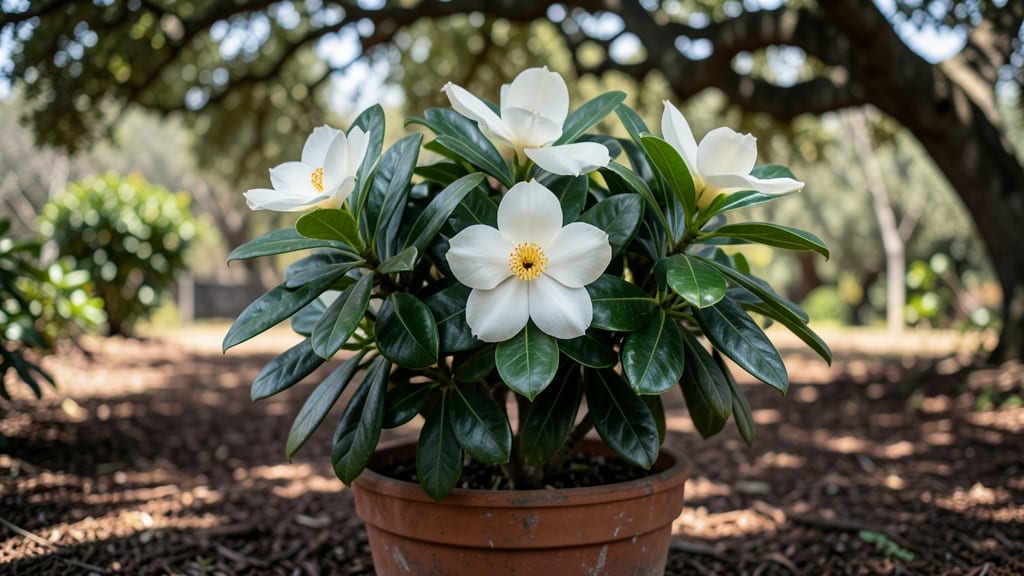
Gardenia plants bloom in late spring to early summer 🌸, with timing that shifts dramatically depending on your zone and care routine.
Picture this: the first whiff of that intoxicating, creamy fragrance drifting through your garden—only to realize your neighbor’s gardenias are already in full bloom while yours are still budding. That’s the frustration of getting the timing wrong, and it’s easier to avoid than you think.
In USDA Zone 6a, where many gardeners struggle, blooms typically arrive in June, but a few weeks earlier or later can mean the difference between a fragrant paradise and a missed opportunity.
The secret? Understanding how light, pruning, and even fertilizer schedules can nudge your gardenia into bloom just a little sooner—or hold off until the peak fragrance season.
Below, I’ll break down the exact months for your zone, the subtle cues that tell you buds are forming, and the simple tweaks that ensure your gardenia doesn’t just bloom—it performs.
Gardenia bloom schedule by USDA hardiness zones: exact months for peak fragrance
Timing your gardenia blooms is easier than you think—once you know your USDA hardiness zone. These tropical beauties thrive in zones 7-11, but even cooler zones (like 6a) can grow them with protection. The key? Understanding how your climate affects their bud development and peak fragrance months.
In warmer zones (9-11), gardenias bloom year-round with peaks in spring and fall, while cooler zones (6-8) see spring-only blooms. Even slight temperature shifts can delay or advance blooms by 2-4 weeks, so knowing your exact zone matters.
Below, I’ve broken down the precise months for each zone, plus bud-stage visual cues to predict blooms like a pro.
🌱 Pro Tip: Gardenias need acidic soil (pH 5.0-6.5) and partial shade to bloom reliably. If your plant is struggling, check these first—many gardeners miss this critical step!
In zone 6a-6b, gardenias are late bloomers, often waiting until late May or June when soil warms. Look for green buds in April—this is your first clue!
If your zone 6 gardenia isn’t budding by mid-April, it may need winter protection or warmer microclimates (like near a south-facing wall).
For zones 7-8, blooms arrive earlier, with March-April peaks. Here, gardenias often reward you with two bloom cycles: a main spring show and a lighter fall display. If your plant skips fall blooms, it might need light pruning in early summer to encourage new growth.
🌿 Variety Matters: ‘Kleim’s Hardy’ blooms 2 weeks earlier than standard varieties in the same zone. If you’re in zone 7 and want February blooms, this cold-hardy pick is your best bet!
Zones 9-11 enjoy year-round blooming, but fragrance peaks in winter (Jan-Feb) and fall (Sept-Oct). In these warm climates, gardenias can become overly leafy with fewer blooms—this happens when they get too much shade or fertilizer.
Trim back 1/3 of the plant in late summer to reset blooming cycles.
No matter your zone, bud color is your best predictor. Healthy buds start green, turn creamy white, and finally open to pure white or pale yellow.
If buds stay green past their expected bloom time, your plant may need more sunlight or less water—both can stress gardenias and delay flowering.
💡 Zone-Specific Hack: In zone 8, move potted gardenias to a sheltered spot in winter to protect them from 30°F nights. This trick can push blooms 2 weeks earlier in spring!
Now that you know the exact months for your zone, you can plan weddings, outdoor events, or simply enjoy their scent at the perfect time. Next, I’ll share how to trigger blooms earlier or later using light, pruning, and fertilizer—stay tuned for those pro tips!
How to trigger earlier or later gardenia blooms using light, pruning, and fertilizer tricks
Want your gardenia to bloom earlier for spring weddings or extend its fragrance through summer? The secret lies in understanding how to manipulate its natural cycle.
Gardenias are sensitive to light exposure, pruning timing, and nutrient balance—all of which can shift their blooming window by 4-6 weeks with the right techniques. Whether you're dealing with an indoor plant or outdoor shrub, these science-backed methods will help you control when those creamy-white flowers appear.
Light manipulation is especially powerful for indoor gardenias, where artificial lighting can trick the plant into thinking it's spring. For outdoor plants, strategic pruning after blooms encourages new growth that flowers earlier the following year.
Fertilizer choices—whether organic or synthetic—also play a critical role in setting the stage for blooms. Let's dive into the exact steps to adjust your gardenia's timeline without stressing the plant.
🌱 5 Proven Ways to Adjust Gardenia Blooms
- 1. Light Trick for Indoor Plants: Use 12-14 hours of bright indirect light daily (LED grow lights work best). Start increasing light in late winter to signal spring.
- 2. Prune After Blooms: Cut back 1/3 of old growth immediately after flowers fade. This stimulates new shoots that bloom 6-8 weeks earlier next season.
- 3. Fertilize Strategically: Use high-phosphorus fertilizer (10-20-10) in early spring to boost blooms. Switch to balanced (10-10-10) in summer for foliage.
- 4. Organic Boost: Mix composted manure or fish emulsion into soil in March for natural nutrient release that encourages early buds.
- 5. Delay Blooms with Heat: Move potted gardenias to a warmer spot (75°F+) in late summer to pause flowering until fall—ideal for holiday displays.
For outdoor gardenias, the key is timing your pruning to align with your desired bloom window. If you want flowers in early spring, prune in late winter (just before buds swell). This removes old wood and redirects energy to new growth that flowers sooner.
Conversely, pruning in summer will delay blooms until fall, perfect if you're aiming for autumn weddings or holiday decor.
Fertilizer choices matter just as much as timing. Organic options like bone meal or cottonseed meal release phosphorus slowly, encouraging steady bloom production. Synthetic fertilizers with high phosphorus (P) (like 10-20-10) give a quicker bloom boost but require more frequent applications.
I recommend alternating between organic and synthetic every other year to maintain soil health while keeping blooms on schedule.
One common mistake is over-fertilizing in fall or winter, which can lead to lush foliage but no flowers. Gardenias need a rest period in cooler months to set next year's buds.
Reduce feeding to every 8-10 weeks in autumn and avoid fertilizing entirely in winter. This simple adjustment can double your bloom count the following spring.
Pro tip: Pair these methods with consistent moisture—gardenias hate drought stress, which can cause buds to drop. Water deeply every 2-3 days during bloom season (spring/summer) and reduce to weekly in winter. Mulch with pine bark to maintain acidic soil (pH 5.0-6.5), which is critical for bud formation.