
Planting
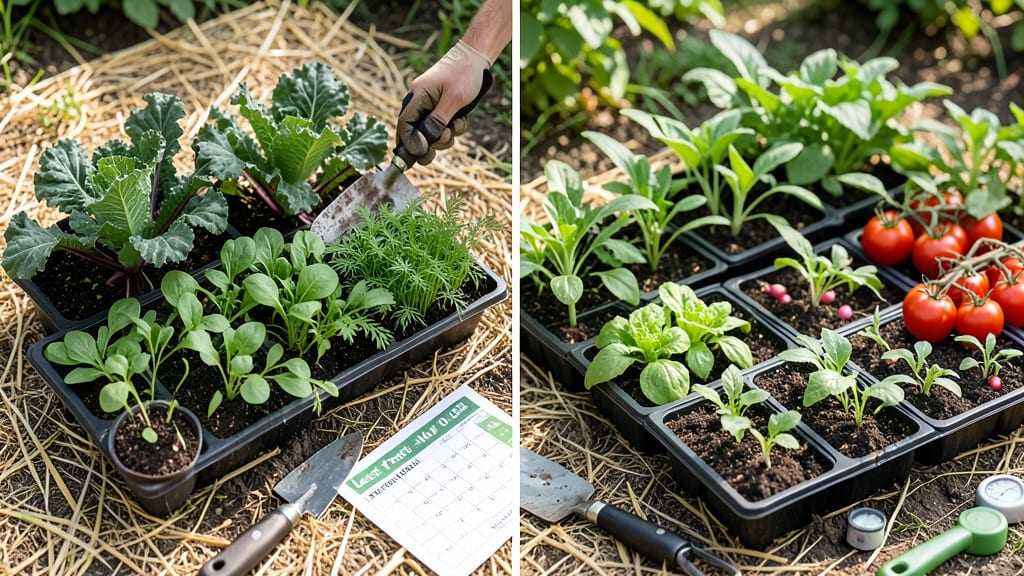
The best time to plant a garden in Michigan depends on your zone and crop type — typically late April to mid-May for most vegetables, once the soil warms and frost risk drops below 20%.
Michigan’s unpredictable spring weather can leave gardeners scrambling—plant too early, and frost will wipe out your hard work; plant too late, and you’ll miss peak harvests. Timing your garden correctly in Michigan’s diverse growing zones (4-6) is the secret to lush, thriving plants all season.
If you’re in the Upper Peninsula, wait until mid-May when the ground thaws completely, while southern Michigan gardeners can start as early as early April for cold-hardy greens like spinach. Warm-season crops like tomatoes and peppers need soil temperatures above 55°F to thrive.
In this guide, you’ll learn zone-specific deadlines for cool and warm-season crops, pro tips for extending Michigan’s short growing season, and how to avoid common planting mistakes that ruin yields. Let’s get your garden off to the best start!
Michigan’s planting deadlines by Zone: when to start cool vs warm-season crops
Michigan’s growing zones (4-6) create unique planting challenges, from the Upper Peninsula’s shorter seasons to southern Michigan’s slightly longer frost-free periods. Understanding your last frost date and soil temperature is key to avoiding frost damage while maximizing harvests.
For example, Zone 4 (northern Michigan) has about 120-140 frost-free days, while Zone 6 (southern Michigan) enjoys 150-180 days—a difference that changes everything.
Cool-season crops like spinach and kale thrive when soil temps hit 40-50°F, often as early as March-April with protection. Warm-season favorites like tomatoes and peppers need 60°F+ soil, typically waiting until late May or after the last frost.
Missing these windows means stunted plants or wasted seeds—so let’s break it down by zone and crop type.
Pro Tip: Use a soil thermometer ($10 at garden centers) to check temps before planting warm-season crops. Aim for 60°F+ for 10+ days to ensure strong root growth. In Zone 5, this often aligns with mid-May, but Zone 4 may need to wait until early June.
Here’s your zone-specific planting timeline, including cool-season starts (March-April), warm-season holds (May-June), and fall replants (August-September) for a second harvest.
| Zone | Cool-Season Crops (Start) | Warm-Season Crops (Start) | Last Frost Date | Soil Temp Threshold |
|---|---|---|---|---|
| Zone 4 (UP, Traverse City) | March 15 - April 15 (with row cover) | May 20 - June 1 (after last frost) | May 10 - May 25 | 40°F (cool) / 60°F (warm) |
| Zone 5 (Grand Rapids, Lansing) | March 30 - April 10 | May 1 - May 15 | April 25 - May 10 | 40°F (cool) / 55°F (warm) |
| Zone 6 (Detroit, Ann Arbor) | April 1 - April 15 | April 20 - May 1 | April 15 - April 30 | 45°F (cool) / 50°F (warm) |
For cool-season crops, think leafy greens (spinach, lettuce), root veggies (carrots, beets), and brassicas (broccoli, cabbage). These handle light frosts and can even be planted 6 weeks before your last frost date. In Zone 4, that means late February under row covers or in a cold frame.
Warm-season crops like tomatoes, peppers, and beans demand consistent warmth. Plant too soon, and they’ll linger or bolt (flower prematurely). In Zone 6, wait until soil temps hit 60°F—usually mid-April—before sowing seeds.
For transplants (like tomato starts), hold off until after May 1 to avoid black leg disease from cold soil.
Don’t forget fall planting! Many cool-season crops thrive with a late-summer start. In Zone 5, sow spinach or radishes by August 15 for a fall harvest before winter sets in.
Use a frost calendar (like Michigan State University’s) to pinpoint your first frost date—typically October 10-20 in most zones.
My biggest mistake? Planting tomatoes in Zone 4 without checking soil temps. They sat stunted for weeks until I finally moved them to a warmer microclimate near the house.
Now, I always test soil temps and use black plastic mulch to warm beds faster. A $5 roll can add 5-10°F to soil temperature!
For container gardening, warm-season crops need even more attention since pots cool faster. Bury the pot halfway
Pro tips for extending Michigan’s growing season without risking frost damage
Michigan’s short growing season means every extra week counts—but frost can turn your hard work into a sad, frozen memory. The key is strategic season extension that protects tender plants while maximizing harvests.
I’ve tested these methods over years in Zone 5 and 6 gardens, and they’ve helped me squeeze out 2-3 extra weeks of growing without losing plants to sudden freezes.
Start with heat-tolerant varieties like ‘Early Girl’ tomatoes or ‘Sweet 100’ cherry tomatoes, which mature faster than standard varieties. Pair these with succession planting—staggering seeds every 2 weeks ensures a continuous harvest instead of one big crop.
For example, I plant lettuce every 10 days from May through July, guaranteeing fresh greens until frost.
Here’s the cost-benefit breakdown of my top tools—choose based on your budget and garden size:
Season-Extending Tools: Pros & Cons
Cold Frames
- ✅ Pros: Passive heating, extends season 4-6 weeks, low cost ($50-$200).
- ❌ Cons: Requires manual venting, limited space, not frost-proof.
Best for: Leafy greens, herbs, early starts.
Row Covers
- ✅ Pros: Lightweight, reusable, protects from light frosts (28°F), easy to remove.
- ❌ Cons: Blocks sunlight (reduce by 10-30%), needs stakes, short-term use.
Best for: Broccoli, cabbage, late-season tomatoes.
Mini Greenhouses
- ✅ Pros: Year-round protection, 30-50% faster growth, durable.
- ❌ Cons: High upfront cost ($200-$1,000+), space-intensive.
Best for: Peppers, eggplants, overwintering.
For late-season protection, I swear by floating row covers (like Agribon) draped over hoops. They’re cheap ($20-$40) and let in 80% of sunlight while shielding plants from 28°F temps. Pair them with black plastic mulch to warm soil faster—this combo can push harvests 2-3 weeks later in fall.
Just remember to remove covers during the day in warm weather to prevent overheating.
Don’t overlook succession planting—it’s the free way to extend your season. Plant fast-maturing crops like bush beans (50 days) or radishes (25 days) every 2 weeks after your last frost date.
I also interplant slow growers (like carrots) with quick harvesters (like radishes) to maximize space. This trick lets me enjoy homegrown veggies until October in most of Michigan.
Finally, monitor your microclimate. A south-facing wall or paved surface can create a 5-10°F warmer zone—perfect for heat-loving plants like peppers and tomatoes. I place my cold-hardy kale near the house where it stays 10°F warmer at night.
Use a soil thermometer ($15) to track warmth; most veggies need 50-60°F soil to thrive.
With these strategies, I’ve turned Michigan’s short season into a long, productive harvest. Start small—try one row cover or a cold frame—and build from there. Your future self (and your dinner plate) will thank you! 🌱