
Planting
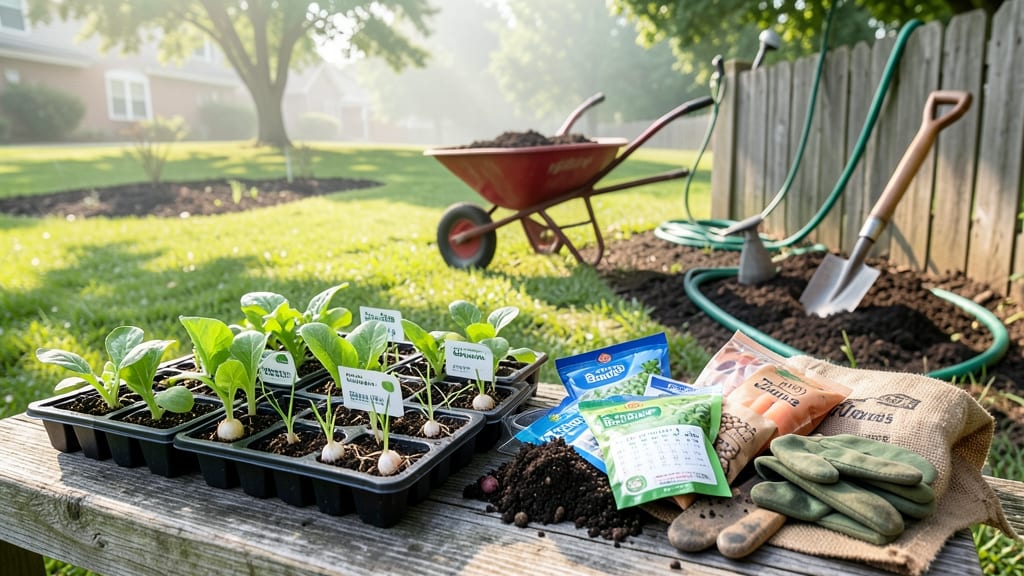
The best time to plant a garden in Ohio depends on your region’s frost dates and the plants you’re growing — but getting it right means the difference between a thriving harvest and a wasted season.
Ohio’s unpredictable frost dates can turn your gardening dreams into a guessing game—but timing your plantings correctly means the difference between a bountiful harvest and a sad, wilted disappointment.
Cool-season crops like lettuce and peas can go in the ground as early as March in Southern Ohio, while Northern Ohio gardeners often wait until mid-April to avoid frost damage.
Warm-season favorites like tomatoes and peppers, though, need to wait until after the last frost—usually mid-May to early June—when soil temperatures hit 60°F.
In this guide, I’ll break down Ohio’s frost-free zones, the ideal planting windows for your favorite vegetables, and how to adjust your schedule when Mother Nature throws a curveball. By the end, you’ll know exactly when to plant for peak yields in your corner of the state.
Ohio’s frost-free zones and last spring frost dates by region
Ohio’s USDA hardiness zones range from 5a to 6b, meaning gardeners face varying frost risks depending on location. Southern Ohio (like Cincinnati) enjoys earlier last frost dates, while northern areas (like Cleveland) often see frost lingering into mid-May.
These differences directly impact when you can safely plant warm-season crops like tomatoes or peppers.
Knowing your local frost dates is critical—planting too early can kill tender seedlings, while waiting too long may shorten your growing season. Ohio’s average last spring frost typically falls between April 15 and May 15, but microclimates near lakes or valleys can shift these windows by 1-2 weeks.
Here’s how Ohio’s key cities compare in terms of frost-free zones and planting windows:
Southern Ohio’s earlier frost-free dates let gardeners start warm-season crops like peppers and eggplants by late April, while northern areas should wait until mid-May. Cool-season crops like lettuce or peas can often be planted 4-6 weeks before the average last frost, giving them time to mature before summer heat arrives.
Use these dates as guidelines, not rules—always check weekly forecasts and monitor soil temperatures (aim for 60°F+ for warm-season plants). A frost cloth can buy you 2-3 extra weeks for early plantings in colder zones.
Pro tip: Historical data shows Ohio’s frost dates can vary by 10 days or more year to year. For example, Cleveland’s last frost in 2020 hit May 22, while 2021 saw it as early as May 3. Always have backup seedlings ready for late frosts.
If you’re in Zone 6a or warmer, you might even squeeze in two harvests of warm-season crops by planting early varieties in May and succession planting in June. Just be prepared for first fall frosts, which typically arrive between October 10 and November 1.
For container gardening, you can push boundaries—pots warm up faster than soil, letting you plant warm-season crops 1-2 weeks earlier in Zone 5b. Just ensure containers have drainage holes to prevent root rot from spring rains.
Remember: Microclimates matter. A south-facing slope or urban heat island can add 5-10°F to soil temps, while low-lying areas may stay colder. Use these regional averages as your starting point, then adjust based on your specific yard conditions.
🌱
Best planting schedule for Ohio gardens: cool-season vs. warm-season crops
Ohio’s diverse climate—from the Great Lakes’ chill to the southern regions’ warmth—means your planting calendar should be just as flexible. Cool-season crops like lettuce and peas thrive when soil temps hover around 40-50°F, while warm-season favorites like tomatoes and peppers need soil at 60°F or warmer.
The key is matching your plants to Ohio’s average last frost dates, which range from mid-April in southern Ohio to late May in the north.
To maximize your garden’s potential, I’ve broken down the best planting windows by month, including succession planting tips and season-extending tricks like row covers.
Whether you’re a first-time gardener or a seasoned green thumb, this schedule will help you avoid common pitfalls—like planting tomatoes too early or missing the window for fall crops.
- March-April (Cool-Season): Plant peas, spinach, and kale as soon as soil is workable (40°F). Use row covers for early starts.
- Late April-Early May (Warm-Season Prep): Start tomatoes, peppers, and basil indoors 6-8 weeks before last frost. Harden off seedlings by mid-May.
- Mid-May (After Last Frost): Transplant warm-season crops like cucumbers and beans. Direct-sow corn and squash after soil reaches 60°F.
- June-July (Succession Planting): Sow bush beans, lettuce, and carrots every 2-3 weeks for continuous harvests. Replace early bolting greens.
- August-September (Fall Crops): Plant broccoli, cabbage, and radishes for fall harvests. Use cold frames to extend season.
- October (Perennials & Bulbs): Divide perennials like asparagus and plant spring-blooming bulbs (daffodils, tulips).
- November (Winter Prep): Cover soil with mulch to protect roots. Plant garlic and hardy greens for early spring.
For northern Ohio, adjust timelines by 2-3 weeks later due to cooler soils. In southern Ohio, you can push warm-season crops 1-2 weeks earlier. Always monitor soil temperature with a thermometer—it’s more reliable than air temperature for planting decisions.
Pro tip: Use row covers to extend cool-season planting by 2-4 weeks in spring and fall. For warm-season crops, wait until nighttime temps stay above 50°F consistently. This simple rule prevents shock to tender plants like peppers and eggplants.
Don’t forget to rotate crops annually to prevent disease and pests. For example, plant tomatoes where potatoes grew last year—they’re not related and share few pests. This small habit can double your yields over time.
With this schedule, you’ll avoid the heartbreak of frost-nipped seedlings or bolting greens. Happy planting—your Ohio garden is about to thrive! 🌱