
Planting
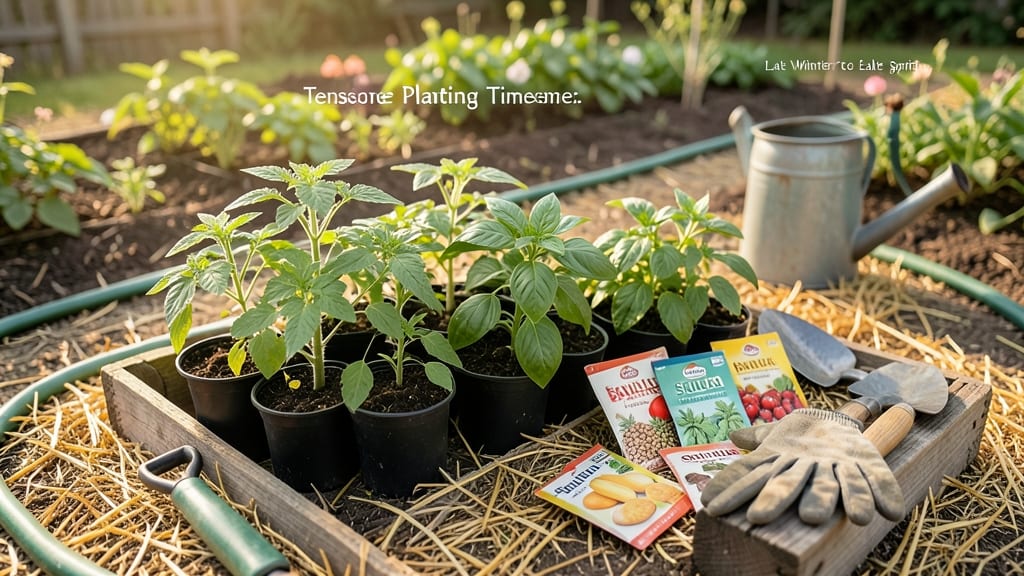
The best time to plant a garden in Tennessee depends on your USDA Zone and the type of 🌱 General Garden Plants you’re growing, but the sweet spot is right after your last frost—typically mid-March to early May for spring and September to October for fall.
Tennessee’s mild winters and hot summers mean your garden’s success hinges on planting at the perfect time—miss the window, and you risk stunted growth or wasted seeds. But with Zone 7A/7B’s unique microclimates, knowing exact dates for vegetables, flowers, and herbs can double your harvest.
Whether you’re in Nashville’s cooler hills or Memphis’s warmer lowlands, timing matters. Spring planting should wait until soil warms to 60°F, while fall crops need to mature before the first frost—usually by November 15 in most areas.
In this guide, I’ll break down the ideal planting calendar by crop, share tips for adjusting to Tennessee’s humidity and clay soil, and help you avoid common mistakes that kill gardens before they even start.
Tennessee zone 7A/7B planting calendar: exact dates by crop type
Tennessee’s Zone 7A/7B offers a 180-240 day frost-free season, but timing matters—plant too early, and frost zaps tender seedlings; too late, and summer heat stunts growth.
The last frost dates vary by region: March 15 in Nashville (Zone 7A) and April 15 in Memphis (Zone 7B), while first frost arrives between October 30 and November 15. These dates create your planting windows, but soil temperature is just as critical.
For cool-season crops like lettuce and peas, start seeds indoors 4-6 weeks before last frost (early February) and transplant after March 15 in East TN or April 1 in West TN. Warm-season crops like tomatoes and peppers need soil at 60°F+, which typically occurs mid-April in Nashville and late March in Memphis.
Fall planting for cool crops begins September 15 to ensure harvest before frost.
| Crop Type | Planting Window | Soil Temp Requirement | East TN Dates | West TN Dates |
|---|---|---|---|---|
| Cool-Season Vegetables | Early Spring/Fall | 40-50°F | March 15 - April 15 | April 1 - April 30 |
| Warm-Season Vegetables | Late Spring/Summer | 60°F+ | April 15 - May 15 | March 30 - April 30 |
| Annual Flowers | Spring/Fall | 50-60°F | March 20 - May 1 | April 1 - May 10 |
| Herbs (Basil, Cilantro) | Spring/Fall | 50°F+ | March 25 - April 10 | April 10 - April 25 |
| Perennial Flowers | Early Spring | 45°F+ | March 1 - March 15 | March 1 - March 10 |
East Tennessee’s higher elevations (e.g., Knoxville) experience cooler microclimates, delaying warm-season planting by 1-2 weeks compared to West TN’s Memphis or Nashville. For example, tomatoes can go in April 15 in East TN but March 30 in West TN.
Use row covers to extend early spring planting by 2-3 weeks in both regions.
Herbs like basil and cilantro thrive in Tennessee’s climate but require precise timing: cilantro bolts in heat, so plant it early spring (March 25) or fall (September 15). Basil, however, needs consistent warmth—wait until after May 1 in East TN or April 25 in West TN to avoid frost damage.
Fall planting for cool-season crops like kale and spinach starts September 15 to mature before frost. Broccoli planted August 15-September 1 yields harvests from October to November. In West TN, where frost arrives earlier, rush fall crops by 2 weeks compared to East TN.
For perennials like lavender or roses, plant in early spring (March 1-15) when soil is workable but not waterlogged. These plants establish roots before summer heat, ensuring stronger blooms next year. Avoid fall planting for perennials—they won’t root before winter.
Urban gardeners in Tennessee cities (e.g., Chattanooga, Nashville) may face heat islands, where pavement raises temperatures by 5-10°F. Adjust planting by 1 week earlier for warm crops and use shade cloth to protect seedlings from intense afternoon sun.
Monitor your local UT Extension frost maps for real-time updates, as microclimates (e.g., valleys vs. ridges) can shift planting dates by 10 days or more. For example, Mountain City (Zone 6B) plants 2 weeks later than Knoxville (Zone 7A).
Pro tip: Use biodegradable pots for seedlings to avoid transplant shock when moving to the garden after last frost. And always harden off plants for 7-10 days before transplanting to prevent wilting.
How to adjust planting times for Tennessee’s microclimates and soil conditions
Tennessee’s Zone 7A/7B climate creates unique challenges for gardeners, where humidity and clay-heavy soils can delay planting or stunt growth if not managed properly. The key to success lies in understanding your local microclimate—whether you’re in the mountains of East Tennessee or the warmer valleys of Middle Tennessee.
Adjusting planting times based on soil conditions and using protective tools can extend your growing season by weeks.
Start by testing your soil pH and drainage—most Tennessee gardens struggle with compacted clay, which holds moisture but suffocates roots. Amending with compost or sand improves aeration, while mulching helps retain moisture during our hot, humid summers.
For early planting, use row covers or cold frames to protect seedlings from late frosts, which can occur as late as April 15 in Nashville or even May 1 in higher elevations.
⚠️ callout warning ⚠️
Many gardeners rush to plant warm-season crops like tomatoes or peppers in March or early April, but soil temperatures below 60°F can stunt growth. Use a soil thermometer—wait until the ground reaches 65°F+ for best results. In West Tennessee, this often means delaying until mid-April.
✅ Pro Tip: Plant cool-season crops like lettuce or spinach 6-8 weeks before your last frost date (typically late February to early March in most areas). Use row covers to extend harvests into May.
To extend your fall harvests, focus on heat-tolerant varieties like kale or collard greens, which thrive in cooler temperatures. Start seeds indoors in July for a September transplant, giving them time to mature before first frost (usually mid-November in Nashville).
In urban gardens, where microclimates vary drastically, monitor nearby weather stations—sidewalks and buildings can create 5-10°F warmer zones, delaying frost.
For clay-heavy soils, consider raised beds filled with a mix of topsoil, compost, and perlite to improve drainage. Avoid working wet clay, as it compacts further—wait until it’s crumbly before tilling.
In humid areas, prioritize disease-resistant varieties and water at soil level (not overhead) to prevent fungal issues like powdery mildew.
Don’t overlook succession planting—sow fast-growing crops like radishes or bush beans every 2-3 weeks to maximize space. In East Tennessee’s cooler microclimates, you can even plant a second crop of greens in late summer for a fall harvest.
Always check UT Extension’s frost maps for your specific county, as local variations can shift planting windows by 2+ weeks.
With these adjustments, you’ll turn Tennessee’s challenging conditions into opportunities—whether it’s early spring starts under row covers or extended fall harvests with the right soil prep. The key is observation and flexibility, not rigid calendars. 🌱