
Planting
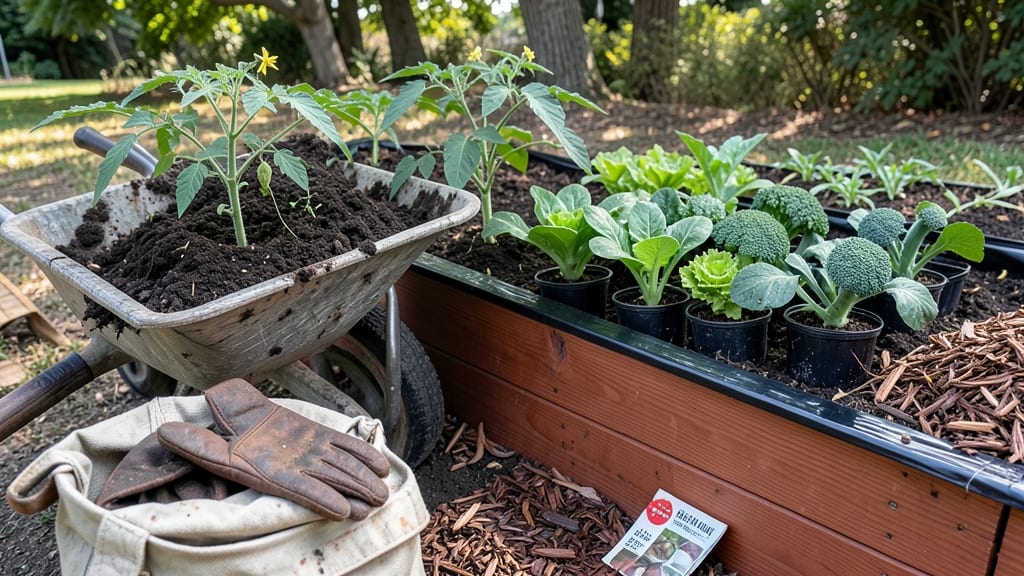
Planting your garden in Maryland at the right time means the difference between a bountiful harvest and wasted seeds—so timing your spring and fall plantings to match your USDA zone is everything.
Maryland’s diverse climate—from the cool mountain air of western regions to the humid coastal plains—means planting your garden at the wrong time could mean wasted seeds or stunted harvests. Get the exact planting schedule tailored to Maryland’s USDA zones 6a-7b to maximize your garden’s potential.
Cool-season crops like spinach and broccoli thrive when planted 4-6 weeks before your last frost, while warm-season favorites such as tomatoes need to wait until soil temperatures hit 60°F or warmer. Missing these windows can leave you with leggy seedlings or bolting greens.
Below, I break down the ideal planting dates for Maryland’s most popular vegetables and flowers, including regional adjustments, soil prep tips, and a month-by-month checklist to keep your garden on track.
Maryland’s planting zones: exact dates for cool-season vegetables by region
Maryland’s cool-season vegetables thrive when planted at the right time, but the last frost dates vary dramatically across USDA zones 5-8. In Western Maryland (Zone 5), frost lingers until April 20-30, while Eastern Maryland (Zones 7-8) sees frost as late as March 15-25.
Timing is critical—plant too early, and frost will kill tender seedlings; too late, and you’ll miss peak harvests.
For spinach, broccoli, kale, and peas, the ideal window is 4-6 weeks before the last frost. This means mid-March to early April in Eastern Maryland and late March to early May in Western Maryland.
Fall planting should start 8-10 weeks before the first frost, typically late July to early August.
Frost risk is the biggest challenge. Even hardy crops like kale can suffer if temperatures dip below 25°F. Use row covers or cold frames to extend your growing season, especially in Zone 5, where frost can return unexpectedly.
Soil temperature is another key factor. Cool-season crops grow best in 40-70°F soil. In Maryland, soil warms slowly in spring—wait until 50°F before planting peas, or they’ll rot. Use a soil thermometer to check conditions, especially in clay-heavy soils common in Central Maryland.
In Zone 5 (Western MD), where last frost dates average April 20-30, start spinach and kale as early as March 1. These cold-hardy crops can tolerate light frosts, but avoid planting peas until soil warms to 50°F—usually by late March.
Use black plastic mulch to warm soil faster in early spring.
Central Maryland (Zone 6) offers a slightly longer window. Plant broccoli and peas by March 15 for a May-June harvest. For fall, sow seeds by August 1 to ensure maturity before first frost (mid-November). Succession planting every 2 weeks keeps your harvest steady.
For Eastern Maryland (Zones 7-8), where last frost is as early as March 15, you can start spinach and k
Warm-season planting calendar: tomatoes, peppers, and beyond in Maryland’s climate
Maryland’s warm-season crops like tomatoes, peppers, and squash thrive when planted after the last frost, but timing is everything. Plant too early, and you risk blight or stunted growth; too late, and your harvest shrinks.
The key is waiting for soil temperatures to hit 60°F or warmer—a threshold that varies slightly across Maryland’s USDA zones 6a-7b.
In western Maryland (zone 6a), aim for May 1-15 to start transplants, while eastern coastal areas (zone 7b) can begin as early as April 20-May 1. Direct-sowing crops like beans and cucumbers can go in 2-3 weeks after your last frost date.
Below, I break down the exact steps and month-by-month checklist to ensure your warm-season garden succeeds.
- 🌡️ Wait for soil temps to reach 60°F+ (use a soil thermometer).
- 🌱 Start transplants (tomatoes, peppers, eggplants) indoors 6-8 weeks before last frost.
- 📅 Transplant outdoors 2-3 weeks after last frost (typically May 1-15 in MD).
- 🌿 Direct-sow warm crops (beans, cucumbers, squash) after soil warms (usually late May).
- ☀️ Ensure full sun (6+ hours daily) and well-draining soil to prevent disease.
- 💧 Water deeply at the base (avoid wetting leaves to prevent blight).
- 🌶️ Succession plant heat-lovers like peppers every 2-3 weeks for extended harvests.
For tomatoes, choose heat-tolerant varieties like ‘Celebrity’ or ‘Solar Fire’ to handle Maryland’s summer humidity.
Plant deeply—bury stems up to the first leaves—to encourage strong root systems. Peppers, including jalapeños and bell peppers, need consistent moisture but hate soggy soil, so amend beds with compost before planting.
June is prime time for squash, cucumbers, and corn. These crops love warmth and grow fast, so space them properly: 3-4 feet apart for squash and 12 inches apart for cucumbers.
Mulch heavily to retain moisture and suppress weeds, which compete for nutrients. Avoid over-fertilizing with nitrogen—it promotes leafy growth over fruit production.
By July, focus on succession planting for bush beans and okra, which thrive in the heat. If your plants show signs of stress (yellowing leaves, wilting), it’s often due to underwatering or pests.
Check the undersides of leaves for aphids or tomato hornworms and act fast with neem oil or hand-picking.
As summer winds down, start planning for fall planting. By mid-August, sow cool-season crops like kale and spinach for a late harvest. For warm-season crops still producing, prune aggressively to redirect energy to fruit production. Harvest tomatoes and peppers regularly to encourage more growth.
Maryland’s warm-season garden is a rewarding but delicate balance—get the timing right, and you’ll enjoy fresh produce from June through October. Mark your calendar, test your soil, and follow these steps to avoid the most common pitfalls. Happy planting! 🌿