
Picking
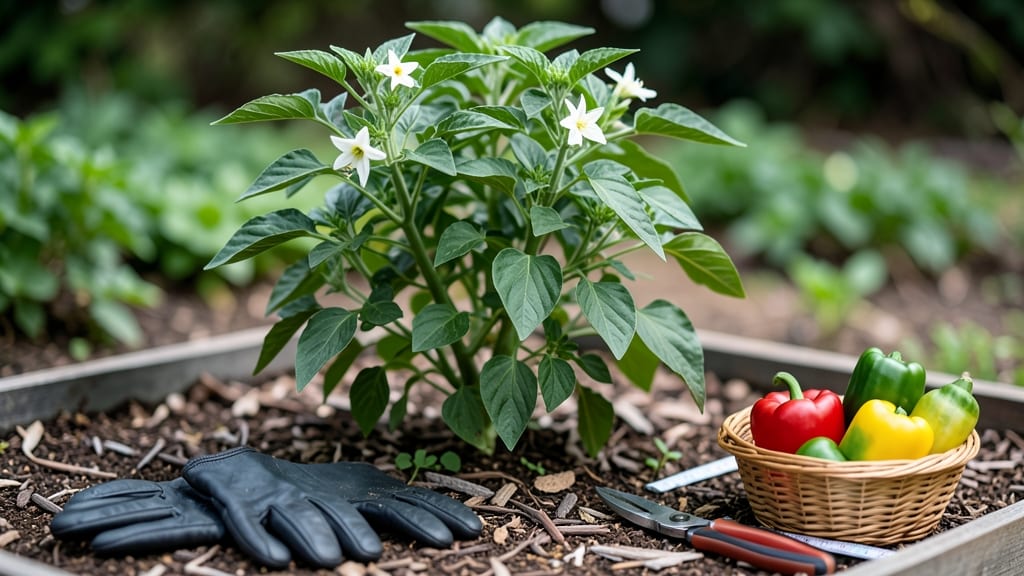
Knowing when to pick bell peppers from the garden means the difference between sweet, crisp bites and bland, rubbery disappointments—so timing is everything.
You might think color alone decides ripeness, but size, firmness, and even the way the stem separates from the plant all play a role. Miss these cues, and you’ll end up with peppers that never reach their full flavor potential—or worse, a plant that gives up producing altogether.
In Zone 6a, where summers are short but intense, knowing when to harvest means locking in that peak flavor between July and September. Whether your peppers stay green or turn red, yellow, or purple, these simple checks will help you pick them at their juiciest, most vibrant stage.
Below, I’ll break down the exact signs to watch for—plus how to harvest without hurting your plant—so you can enjoy the best-tasting bell peppers straight from your garden.


Bell pepper ripeness by color: the science-backed color-coded picking guide
Bell peppers change color as they ripen, but not all colors mean the same thing. Understanding these color cues helps you harvest at peak flavor and nutrition. Green peppers are immature, while yellow, orange, and red indicate different ripeness stages with distinct taste profiles.
Knowing when to pick each color transforms your garden harvest from ordinary to extraordinary.
Color isn’t the only factor—size, firmness, and stem separation also play critical roles. A pepper might be the right color but still underripe if it’s small or soft.
Conversely, an overripe pepper can become tough or mealy. Mastering these visual and tactile clues ensures you enjoy the best possible peppers from your garden.
Here’s the science-backed breakdown of what each color means for ripeness, flavor, and nutritional value:
Green bell peppers are harvested before full ripeness, often for pickling or cooking. They’re mild but lack the sweetness of mature peppers. If you’re growing varieties like ‘Green Bell’, pick them when they’re 3-4 inches long and firm. These peppers won’t change color unless you let them ripen further on the plant.
When peppers turn yellow or orange, they’ve started the ripening process but aren’t fully sweet. These colors appear first in varieties like ‘Golden Calwonder’ or ‘Sunny’. Yellow peppers are crisp and slightly tangy, perfect for raw dishes, while orange peppers offer a balance of sweetness and crunch.
Harvest them when the color is even and glossy.
Red bell peppers are the sweetest and most nutritious, packed with vitamin C and antioxidants. They develop from green or yellow stages and are best picked when fully colored and deep red. Varieties like ‘Red Bell’ or ‘Jupiter’ reach peak flavor at this stage. If left too long, they can become tough or wrinkled, so time your harvest carefully.
Not all peppers change color—some varieties stay green or purple even when ripe. For example, ‘Purple Beauty’ peppers remain purple but are fully ripe when firm and glossy. Always check for stem separation (the pepper should twist off easily) and glossy skin, not just color, to confirm ripeness.
Harvesting at the right stage also affects your plant’s productivity. Removing ripe peppers encourages the plant to produce more fruit. If you wait too long, the plant may stop flowering or produce fewer peppers. Aim to harvest every 3-5 days during peak season to keep your plants productive.
Temperature plays a role too. In hot climates (Zones 8-10), peppers ripen faster and may need harvesting more frequently. In cooler zones (Zones 3-6), they ripen slower, so give them extra time. Always check the stem’s readiness—it should snap cleanly when twisted gently.
Pro tip: Use a sharp pair of pruning shears or scissors to avoid damaging the plant. Cut the stem about 1/4 inch above the pepper to prevent disease. This method keeps your plant healthy and encourages more peppers to grow in its place.
🌶️
5 Signs your bell peppers are ready to harvest (beyond just color)
Color isn’t the only indicator that your bell peppers are ready for harvest. Many gardeners overlook subtle cues that reveal peak ripeness. I’ve learned the hard way—picking too early means bland peppers, while waiting too long can turn them rubbery. Let’s explore the hidden signs that guarantee a perfect harvest.
First, understand that some bell pepper varieties may never change color. If you’re growing types like 'Black Beauty' or 'Green Bell,' they’ll stay green no matter how long you wait.
In this case, focus on the other ripeness indicators I’ll share below. These cues work for all varieties, ensuring you pick your peppers at their flavor peak.
The stem should twist off cleanly with a slight snap. If it resists, the pepper needs more time. This separation means the pepper has fully matured and is ready for picking.
A shiny, waxy skin is a telltale sign of ripeness. Dull or matte peppers are underripe. This gloss comes from natural oils that develop as the pepper matures, indicating peak flavor and texture.
Mature bell peppers typically reach 3-4 inches in length. Check for uniformity in size across your plant. Uneven peppers may indicate inconsistent watering or nutrient levels, but consistent sizing means they’re ready.
Gently squeeze the pepper. It should feel firm but slightly yielding, like a ripe avocado. Overripe peppers become soft and spongy, while underripe ones feel hard and crisp. Aim for that perfect balance.
Peppers ripen faster in warm temperatures (70-85°F) and full sunlight (6+ hours daily). If your peppers aren’t ripening, check for shade or cool nights. Some varieties, like ‘Sweet Banana’, may need extra warmth to develop their signature colors.
If your peppers never change color, don’t panic. Some green bell pepper varieties are bred to stay green and are just as delicious when harvested at the right size and firmness.
Focus on the stem separation and glossy skin cues instead. These peppers are often harvested earlier for market, so they’re perfectly fine to pick when they reach 3-4 inches.
Pro tip: Harvest in the morning when temperatures are cooler. This preserves the pepper’s crispness and flavor longer. Use clean, sharp pruning shears or scissors to avoid damaging the plant. A clean cut encourages more peppers to grow in its place.
By paying attention to these hidden ripeness signs, you’ll transform your harvest from mediocre to mouthwatering. Happy picking! 🌶️