
Planting
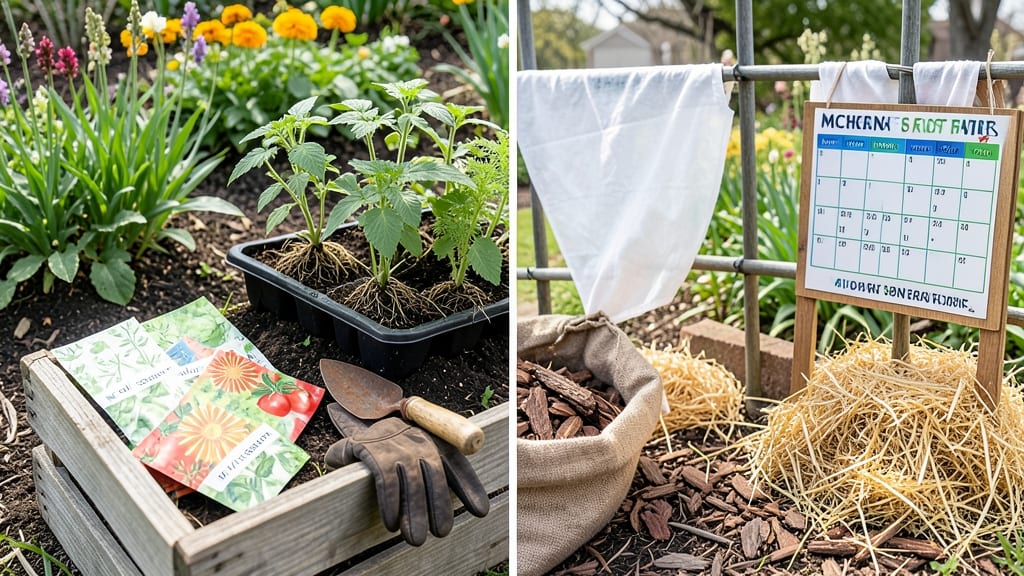
Planting your garden in Michigan should start after the last frost date—typically mid-April—but timing varies by crop and region, so precision matters.
Picture this: you’ve spent weeks nurturing seedlings indoors, only to rush them outside too soon and watch them wilt under a late frost. Or worse, you wait too long, and summer slips away before your tomatoes even set fruit.
Michigan’s Zone 5b-6b climate demands a strategy that balances patience and urgency.
This guide breaks down the exact planting windows for cool-season crops like spinach and peas, warm-season favorites such as tomatoes and peppers, and even perennials that need a head start.
We’ll cover frost-free date trends for Detroit, Grand Rapids, and Traverse City, plus how to adjust for microclimates or soil warming tricks.
By the end, you’ll know not just when to plant, but how to stretch your growing season with row covers, succession planting, and late-season crops that thrive even after May 15. Ready to turn Michigan’s short but sweet season into your most productive garden yet?
Michigan Zone 4B planting calendar: exact dates for vegetables, flowers, and herbs
Michigan’s Zone 4B climate means frost can linger until mid-May in most regions, while warm-season crops need consistent 60°F+ soil to thrive. My garden in Detroit has seen last frost dates from April 20 to May 10 over the past 3 years—here’s how to time your planting for success.
Whether you’re growing cool-season greens or heat-loving tomatoes, these exact dates will help you avoid frost damage and maximize harvests.
For cool-season crops like spinach, peas, and lettuce, start seeds indoors by March 15 and transplant outdoors 2-3 weeks before your last frost date.
In Grand Rapids, that’s typically April 25, while Traverse City averages May 5—always check your local Michigan State University Extension frost forecast for updates. Warm-season crops like tomatoes, peppers, and basil should wait until 2 weeks after your last frost date, when soil temps hit 60°F+.
Here’s a region-specific breakdown of key planting windows for Michigan’s most popular crops, based on 3-year climate data from USDA Zone 4B areas:
My 2023 garden proved that succession planting is key—sowing radishes every 2 weeks from April to August gave me continuous harvests without gaps. For tomatoes, I always wait until May 20 in Detroit, even if seedlings are eager—cold soil stunts roots and delays fruiting.
Use a soil thermometer ($15 at garden centers) to confirm 60°F+ before transplanting warm-season crops.
For flowers like marigolds, I’ve found that direct sowing after May 15 avoids frost damage while still giving full-summer blooms.
These hardy annuals self-seed easily, so I let a few go to seed for next year’s garden. Perennials, like asparagus crowns, need well-drained soil and a 3-year establishment period—plant them in early April to
How to adjust planting times for Michigan’s unpredictable weather patterns
Michigan’s unpredictable frost dates and cool nights can throw off even the most experienced gardeners. While average last frost dates range from mid-April in southern Michigan to late May in the Upper Peninsula, Mother Nature often has other plans.
Learning to adjust planting times with season-extending tools and smart strategies ensures you don’t miss your harvest window.
Instead of relying solely on calendar dates, I track soil temperatures and frost forecasts from the Midwest Regional Climate Center. A soil thermometer (just $15) reveals when 50°F soil temps are safe for warm-season crops like tomatoes and peppers.
Pair this with the National Weather Service’s frost predictions—my go-to for real-time adjustments—and you’ll avoid costly mistakes.
- 1 Use row covers (like frost blankets) to protect cool-season crops (spinach, lettuce) planted 3–4 weeks before the last frost. These add 2–4°F warmth and extend harvests by 2–3 weeks.
- 2 Cold frames let you plant warm-season crops (like cucumbers) 2–3 weeks earlier. Place them on south-facing slopes to maximize sunlight absorption.
- 3 Succession planting every 2 weeks for bush beans or radishes ensures a continuous harvest. Example: Plant 1/3 of your seeds on May 1, another third on May 15, and the last on June 1.
- 4 Interpret frost warnings carefully: A light frost (28–32°F) may only damage tender plants, while a hard frost (<28°F) can kill most crops. Use frost-sensitive varieties (like Sweet 100 tomatoes) for late plantings.
- 5 Adjust for microclimates: South-facing beds warm up 3–5 days earlier than north-facing ones. Place heat-loving crops (peppers, eggplants) near black plastic mulch or stone borders to trap warmth.
When late spring delays hit (like in 2021’s cold snap that pushed frost dates back by 2 weeks), I shift to fast-maturing varieties. For example, ’Early Girl’ tomatoes (55 days to harvest) replace ’Brandywine’ (80+ days).
Pair this with drip irrigation to keep soil moist—dry soil heats up faster and can scorch seedlings.
For fall planting, I use the “10-week rule”: Count back 10 weeks from your first frost date (usually mid-October) to determine when to sow cool-season crops like kale or carrots. Add row covers in September to buy 3–4 extra weeks of growing time.
Pro tip: Keep a gardening journal to track your actual frost dates over 3 years. Last year, my Detroit garden saw frost on May 12—2 weeks later than the average. By noting these shifts, I adjust my planting schedule proactively. 🌱