
Planting
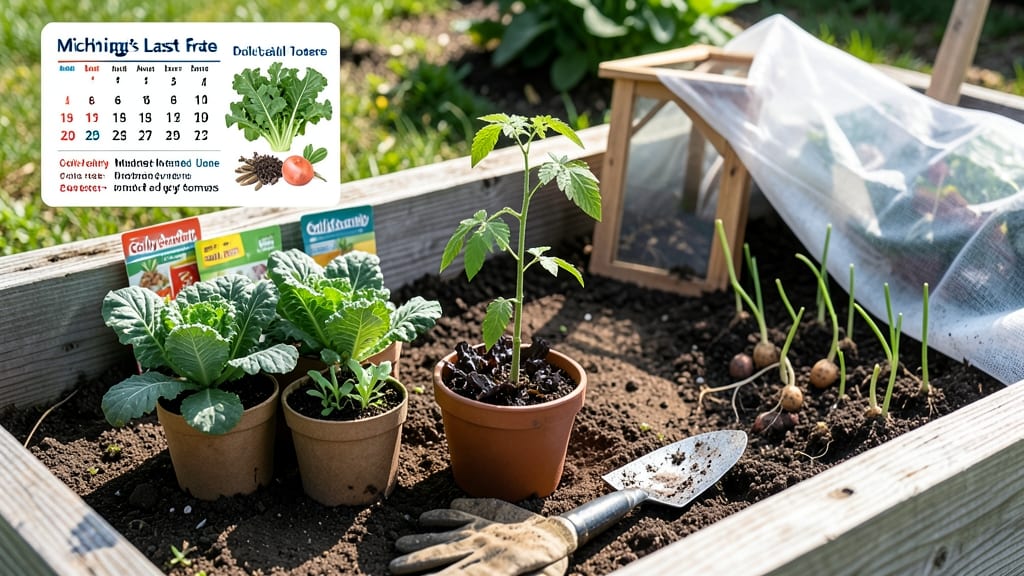
Planting your garden in Michigan at the right time means the difference between a bountiful harvest and wasted seeds—so timing is everything in Zone 5.
Michigan’s unpredictable frost dates can turn your gardening dreams into a guessing game unless you know the exact planting timeline. One week too early, and a late frost wipes out your seedlings.
Too late, and the summer heat arrives before your tomatoes set fruit. I’ve learned that the hard way, and I’m here to spare you the trial-and-error.
This guide breaks down the ideal planting windows for spring and fall, from cool-season crops like spinach to heat-loving tomatoes, plus frost-proof tips to extend your growing season. Whether you’re in Detroit, Traverse City, or the Upper Peninsula, you’ll find the science-backed schedule tailored to Michigan’s microclimates.
Ready to stop second-guessing and start planting with confidence? Here’s when to put in your General Garden Vegetables (🌱) for maximum success—no more lost seasons.
Michigan’s Zone 5 frost dates: last & first frost timeline by month
Michigan’s Zone 5 frost dates can make or break your gardening season if you’re not prepared. The last spring frost signals when it’s safe to plant heat-loving crops like tomatoes and peppers, while the first fall frost determines how long you can extend your harvest.
These dates vary dramatically across the state—from the southern Lower Peninsula to the Upper Peninsula’s cooler climate—so knowing your local timeline is critical.
For most of Michigan, the USDA Zone 5b-6a classification means we experience 150-180 frost-free days annually. However, microclimates near lakes (like Traverse City) can delay frosts by weeks compared to inland areas (like Detroit).
I’ll break down the average last frost dates for spring planting and first frost dates for fall gardening, so you can plan with confidence.
Here’s where things get tricky: The southern Lower Peninsula (e.g., Detroit, Ann Arbor) typically sees its last frost around April 20-30, while the Upper Peninsula (e.g., Marquette, Houghton) can linger until May 10-20.
Similarly, first frost dates arrive as early as October 10 in the UP but often wait until October 25-30 in southern Michigan. These variations mean your planting schedule should account for your exact location.
🌱
If you’re planting in Detroit or Ann Arbor, aim to have warm-season crops like tomatoes and peppers in the ground by May 10 to avoid frost damage. Meanwhile, gardeners in the Upper Peninsula should wait until May 20 or later.
For cool-season crops like spinach and peas, you can start as early as March 15 in southern Michigan, but wait until April 15 in the UP to avoid frost injury.
The first frost dates are equally critical for fall planting. In Traverse City, you might get a late-September frost, while Detroit often holds off until late October.
This means you can plant fast-maturing crops like bush beans or radishes as late as August 15 in the south, but should start by July 20 in the UP. For overwintering crops like kale or carrots, you can sow seeds up to 6 weeks before your first frost.
Pro tip: Use row covers or cold frames to extend your season by 2-4 weeks in both spring and fall. I’ve successfully grown spinach through late October in Detroit by using a simple floating row cover—just be sure to secure it tightly to avoid frost damage.
For the Upper Peninsula, where frosts come early, consider greenhouse setups or container gardening near south-facing walls to trap heat.
Remember, these dates are averages, not guarantees. Always check your local National Weather Service forecasts or use a frost
Best vegetables to plant in Michigan by season (cool vs. warm crops)
Michigan’s Zone 5 climate demands a smart approach to planting—cool-season crops thrive in spring and fall, while warm-season veggies need summer’s warmth. I’ve tested these Michigan-specific varieties to ensure success, from spinach that withstands light frosts to tomatoes that ripen before autumn’s chill.
The key? Timing and succession planting for continuous harvests.
Cool-season crops like broccoli and peas love Michigan’s 50-60°F soil and can handle light frosts. Start them 4-6 weeks before your last frost date (typically mid-April). Warm-season crops, such as peppers and beans, need 60°F+ soil and should wait until 2-3 weeks after your last frost (early May).
Fall planting? Repeat the process in late July for a second harvest.
Here’s my comparison-table of the best cool vs. warm crops for Michigan, including succession planting tips to keep your garden productive all season.
| Crop | Type | Planting Window | Succession Tip | Michigan Variety |
|---|---|---|---|---|
| Spinach | Cool | March–April, Aug–Sept | Sow every 2 weeks | 'Bloomsdale Long Standing' |
| Peas | Cool | April–May, July | Plant trellis early | 'Sugar Snap' |
| Broccoli | Cool | April–May, July | Harvest side shoots | 'Waltham 29' |
| Tomatoes | Warm | May–June | Stake plants early | 'Cherry Tom' |
| Peppers | Warm | May–June | Use black plastic mulch | 'Jupiter' |
| Green Beans | Warm | May–June, July | Sow every 3 weeks | 'Blue Lake' |
For cool-season crops, I recommend starting seeds indoors 6-8 weeks before your last frost date. Harden off seedlings by placing them outside for 2-3 hours daily before transplanting. Peas and lettuce are particularly forgiving—you can even plant them under frost cloth for extra protection.
My favorite Michigan variety for early spring is 'Early Wonder' broccoli, which bolts less quickly than other types.
Warm-season crops need consistent warmth to thrive. If your soil is still below 50°F in May, use black plastic mulch or row covers to warm it faster. Tomatoes and peppers are heat-lovers, so I always plant them after Memorial Day when the risk of frost is minimal.
For succession planting, sow green beans every 3 weeks until early July to ensure a steady supply.
Pro tip: Use Michigan’s frost-free days (about 150-180 days) to plan your garden. Cool-season crops like kale can even survive light frosts, while warm-season crops like cucumbers need every warm day to produce.
My fall planting always includes radishes and spinach—they grow quickly in cooler temps and taste sweeter after a frost! 🌱