
Planting
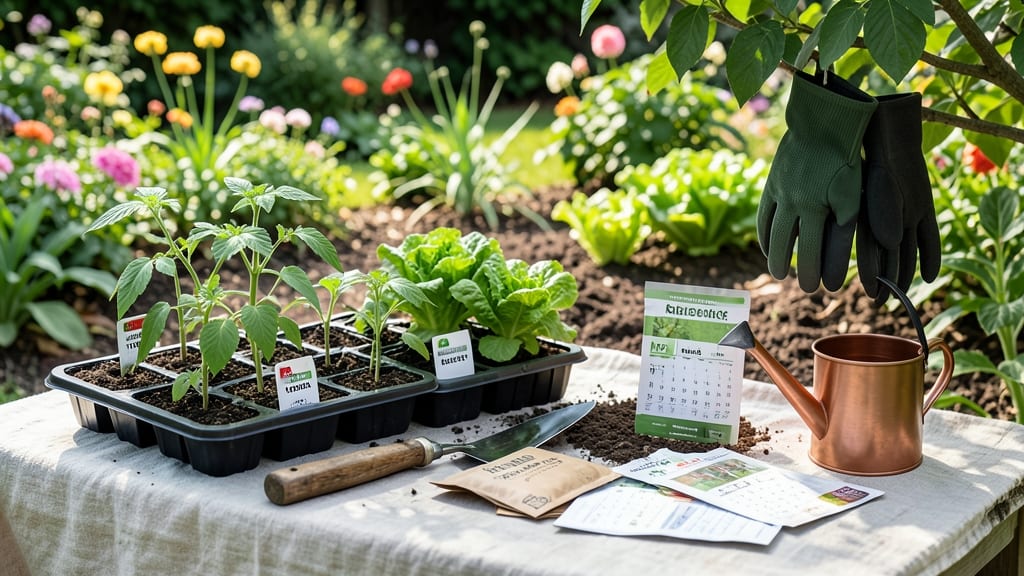
Planting your garden in Tennessee at the right time means the difference between a bountiful harvest and seeds that never sprout 🌱—and the exact dates depend on whether you’re in the cooler Appalachian foothills or the warmer Gulf Coastal Plain.
Tennessee’s diverse climate—from the cool Appalachian highlands to the warmer Gulf Coastal Plain—means your planting timeline depends on your specific zone (7a-8b). Get it wrong, and your seeds could face frost damage or struggle to thrive.
Most gardeners in Tennessee aim to plant cool-season crops like lettuce and peas by mid-March, while warm-season favorites such as tomatoes and peppers wait until late April or early May.
But soil temperature matters just as much as the calendar—planting too early in cold soil can stall germination, even if the frost risk has passed.
Below, I break down the precise frost-free windows for your zone, soil warmth thresholds for each crop, and how to adjust for microclimates like valleys or mountain slopes. You’ll leave here with a clear planting schedule tailored to your Tennessee location.
Tennessee planting timeline by Zone (7a vs 8b): frost dates & last frost probabilities
Tennessee’s USDA zones 7a and 8b create dramatically different planting windows. In Zone 7a (eastern highlands), the growing season is shorter, while Zone 8b (western valleys) enjoys a longer frost-free period.
Understanding these differences helps you avoid frost damage to tender crops like tomatoes and peppers while maximizing yields for cool-season favorites.
Historical data shows Zone 7a typically experiences its last spring frost between March 15–April 15, while Zone 8b warms up 2–3 weeks earlier, often by March 1–March 15. The first fall frost arrives earlier in Zone 7a (late October) compared to Zone 8b (mid-to-late November).
These dates aren’t set in stone—microclimates (like urban heat islands or sheltered valleys) can shift your timeline by 1–2 weeks.
For cool-season crops like lettuce, spinach, and broccoli, plant in early spring (March) or late summer (August).
In Zone 7a, wait until after April 15 to avoid frost, while Zone 8b gardeners can start as early as March 1. Warm-season crops (tomatoes, peppers, cucumbers) need soil temperatures above 60°F, which typically occurs in mid-April for Zone 7a and late March for Zone 8b.
Use these frost probabilities to guide your planting: In Zone 7a, there’s a 30% chance of frost after April 15, while Zone 8b drops below 10% risk by April 1. For succession planting, sow fast-growing crops like radishes or lettuce every 2 weeks until early summer.
In Zone 7a, your last chance to plant fall crops is typically mid-September, while Zone 8b allows until early October.
Extend your season with row covers or cold frames to protect seedlings in Zone 7a. These tools can push your planting window 2–3 weeks earlier in spring or 3–4 weeks later in fall.
For example, you might transplant tomato seedlings under row covers in early April (Zone 7a) or late March (Zone 8b) without risking frost damage.
Monitor local almanac records or use tools like the UT Extension Planting Calendar for real-time updates.
Historical data shows that 2023’s last frost in Nashville (Zone 7a) occurred on April 5, while Memphis (Zone 8b) saw its last frost on March 12—both 2 weeks earlier than the 30-year average. This variability highlights why flexibility is key.
For heat-loving crops like okra and sweet potatoes, Zone 8b gardeners can start seeds indoors in February, while Zone 7a growers should wait until mid-March. In both zones, direct-sow after the soil reaches 65°F—use a soil thermometer to track progress.
In Zone 7a, this often means waiting until late April, while Zone 8b may be ready by early April.
Plan for fall planting by mid-summer. In Zone 7a, sow broccoli and kale by August 1 for a fall harvest, while Zone 8b can extend this to September 1.
Use mulch to insulate soil and protect roots from early frosts. In Zone 7a, apply mulch by mid-October; in Zone 8b, wait until late October when nights grow cooler.
Remember: Zone 7a’s shorter season favors quick-maturing crops like bush beans (50 days) and radishes (25 days), while Zone 8b can handle longer-season varieties like heirloom tomatoes (90+ days)**. Adjust your seed choices based on your zone’s frost-free days to avoid disappointment.
Pro tip: Keep a gardening journal to track your local frost dates and adjust future planting schedules. Over time, you’ll refine your timeline to match your unique microclimate—
Soil temperature requirements for Tennessee gardens: when to plant by crop type
Soil temperature is one of the most critical factors for successful gardening in Tennessee. Unlike air temperature, soil warmth determines when seeds will germinate and plants will thrive. In USDA zones 7a-8b, soil can stay too cold for warm-season crops even after last frost dates have passed.
For example, tomatoes and peppers need soil at 60°F or warmer to sprout reliably, while cool-season crops like lettuce can handle 40°F soil without issues.
Testing your soil temperature is simple: use a soil thermometer (insert 2-4 inches deep) in the morning for the most accurate reading. In Tennessee’s Appalachian regions (zone 7a), soil may linger below 50°F until mid-April, while Middle Tennessee (zone 7b-8a) often reaches 60°F by early April.
This delay can mean the difference between a thriving garden and wasted seeds.
| Crop Type | Minimum Soil Temp (°F) | Best Planting Time (TN Zones) | Notes |
|---|---|---|---|
| Warm-Season Vegetables (Tomatoes, Peppers, Eggplant) | 60-65°F | After mid-April (7a) or early April (7b-8b) | Use row covers or black plastic mulch to warm soil faster. |
| Cool-Season Vegetables (Lettuce, Spinach, Kale) | 40-50°F | March (7a) or February (7b-8b) for early spring; August-September for fall. | Avoid planting when soil temps exceed 80°F—bolting occurs. |
| Herbs (Basil, Cilantro, Dill) | 55-60°F | Late April (7a) or early April (7b-8b); transplant basil after last frost. | Cilantro bolts in heat—plant in fall for best results. |
| Flowers (Marigolds, Zinnias, Sunflowers) | 55-65°F | After last frost (April-May) or late summer for fall blooms. | Sunflowers thrive in warmer soil—wait until 60°F+. |
One common mistake Tennessee gardeners make is planting warm-season crops too early. Even if air temperatures feel spring-like, cool soil can stall germination for weeks. For example, pepper seeds may take 3-4 weeks to sprout in 50°F soil compared to just 7-10 days in 70°F+ soil.
To speed things up, try black plastic mulch or warm-season row covers to raise soil temps by 5-10°F.
For slow-starting crops like tomatoes, consider starting seeds indoors 6-8 weeks before your target outdoor planting date. Use a seedling heat mat to maintain 70-75°F soil for faster germination. Once seedlings are 2-3 inches tall and soil reaches 60°F, transplant them outdoors.
Harden off seedlings gradually by exposing them to outdoor conditions for 1-2 hours daily over 5-7 days.
If you’re in East Tennessee (zone 7a), don’t rush to plant cucumbers or squash until late April or early May. These plants need 70°F+ soil to thrive, and cooler microclimates (like valleys or shaded areas) may delay warmth.
In contrast, West Tennessee (zone 8a-8b) gardeners can often plant warm-season crops by mid-March if soil temps are right.
Pro tip: Check soil temperature for 3-5 consecutive days before planting. Early mornings (before 10 AM) are best because soil hasn’t absorbed daytime heat yet. If your soil is still below the required temperature, wait another 1-2 weeks—patience pays off in stronger, healthier plants. 🌱