
Planting
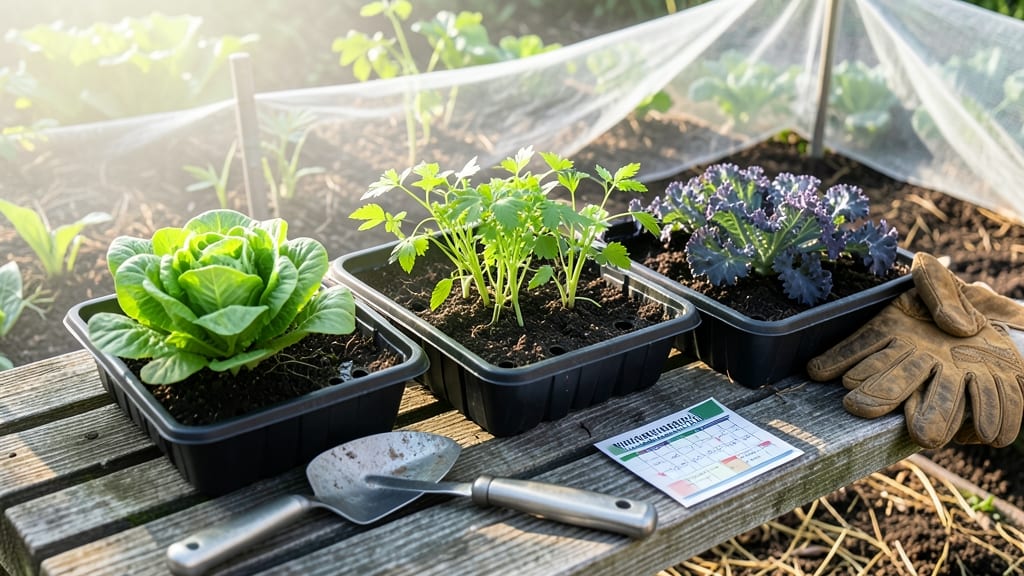
Planting a garden in Ohio at the wrong time can mean the difference between a thriving harvest and a total flop—especially when late frosts or early heat sneak up on you.
Ohio’s unpredictable climate—from late frosts to sweltering summers—can make or break your garden’s success. Planting at the wrong time risks stunted growth, pests, or even total crop failure, but timing it right guarantees a bountiful harvest.
Whether you’re sowing cool-season crops like spinach or waiting for the soil to warm up for tomatoes, knowing the frost-free zone guide for your region is the key. Ohio’s USDA Zone 6a means your last frost typically arrives in mid-April, but southern Ohio can be weeks ahead of northern areas.
In this guide, I’ll break down the best planting windows by crop type, region-specific tips, and how to extend your growing season—so you can start seeds indoors, direct-sow with confidence, and keep your garden productive from spring to fall.
Ohio’s frost dates by region: critical planting windows for vegetables, flowers, and herbs
Ohio spans USDA Hardiness Zones 5b to 6a, meaning frost dates vary dramatically from southern Ohio’s 6a (warmer) to northern Ohio’s 5b (colder). These differences determine whether your tomatoes thrive or peas freeze—so knowing your last spring frost and first fall frost is non-negotiable.
Rural areas often have earlier frosts than cities due to the urban heat island effect.
For cool-season crops like spinach and peas, aim to plant 4-6 weeks before your last frost. Warm-season crops (tomatoes, peppers) need to wait until 2 weeks after the last frost, when soil temps hit 60°F+.
In southern Ohio (6a), last frosts average April 15-30, while northern Ohio (5b) can linger until May 10-20.
First fall frosts hit October 15-30 in southern Ohio but can arrive as early as September 20 in northern regions. Urban gardens may delay frost by 1-2 weeks compared to rural areas, thanks to concrete and asphalt retaining heat. Always check local weather forecasts for real-time adjustments.
| Region | USDA Zone | Last Spring Frost | First Fall Frost | Cool-Season Planting | Warm-Season Planting |
|---|---|---|---|---|---|
| Southern Ohio (e.g., Cincinnati, Columbus) | 6a | April 15-30 | October 15-30 | March 15 - April 15 | May 1 - June 1 |
| Central Ohio (e.g., Cleveland, Dayton) | 6a (borderline 5b) | April 20 - May 5 | October 1 - October 15 | March 20 - April 20 | May 10 - June 10 |
| Northern Ohio (e.g., Toledo, Youngstown) | 5b | May 10 - May 20 | September 20 - October 5 | April 1 - May 1 | May 20 - June 15 |
| Urban Microclimates (e.g., Columbus city center) | 6a (adjusted) | April 22 - May 2 | October 10 - October 25 | March 25 - April 25 | May 5 - June 5 |
*Adjust dates by 1-2 weeks for high-altitude areas (e.g., Appalachian foothills).
If you’re planting cool-season crops like kale or carrots, start seeds indoors in February for an early jump. Direct-sow spinach and peas as soon as soil is workable (usually late March in southern Ohio, early April in northern Ohio).
For warm-season crops, wait until soil temps hit 60°F—test with a soil thermometer or the back-of-hand rule (if it feels warm, it’s ready).
Ohio’s short growing season (about 165 frost-free days) demands smart planning. Succession planting (e.g., sowing lettuce every 2 weeks from April to July) maximizes yield. Row covers can push spring planting 2-3 weeks earlier, while cold frames extend fall harvests by 4-6 weeks.
Always monitor local weather alerts—a late frost in May can wipe out tomato seedlings overnight.
For flowers and herbs, timing varies by hardiness. Perennials like lavender can handle fall planting (September), while annuals like marigolds thrive when soil warms in late May. Herbs like basil need consistent warmth—plant after May 15 in most regions. Microclimates matter: A south-facing wall may add 10°F warmth to your garden, letting you plant 2 weeks earlier.
Pro tip: Use frost cloth to protect tender seedlings if a late frost is forecasted. Hardy crops like broccoli can tolerate light frosts (28°F), but tomatoes and peppers will die instantly below 3
Best planting schedule for Ohio’s top 10 garden crops (with month-by-month timeline)
Ohio gardeners know timing is everything—especially when balancing late spring frosts and sweltering summer heat. The key to a thriving garden lies in planting cool-season crops early and warm-season favorites after the last frost.
Below is your month-by-month guide, tailored for Ohio’s USDA zones 5b-6a, with adjustments for Northeast Ohio’s cooler microclimates.
For direct-sown crops like lettuce and radishes, start as soon as soil is workable (around mid-March in southern Ohio, late April in the north). Meanwhile, transplants like tomatoes and peppers need to wait until after the last frost date—typically mid-May to early June—when soil temperatures hit 60°F+.
Succession planting is your secret weapon for continuous harvests. For example, sow bush beans every 2-3 weeks from June through July, or stagger lettuce varieties every 4 weeks from April to September. This ensures fresh produce without overwhelming your space.
- March-April: Start cool-season crops indoors (e.g., tomatoes, peppers) or direct-sow spinach, peas, and radishes as soon as soil thaws. Use row covers for frost protection.
- Mid-May: Transplant tomatoes, peppers, and eggplants after last frost (verify with local frost-free date alerts). Direct-sow beans, corn, and squash once soil reaches 60°F+.
- June-July: Plant succession crops like lettuce, carrots, and zucchini. Harvest early spring-planted crops (e.g., radishes, spinach) to make room.
- August-September: Sow fall crops like kale, broccoli, and garlic for harvest before first frost (mid-October). Extend warm-season crops (e.g., peppers) with row covers.
- October-November: Plant garlic and hardy perennials (e.g., asparagus). Cover soil with mulch to protect roots from winter freeze-thaw cycles.
Ohio’s high-altitude areas (e.g., Northeast Ohio) often experience 2-3 weeks later last frost dates than southern regions. For example, Cleveland’s average last frost is May 15, while Columbus averages May 1. Adjust your schedule by 10-14 days later if you’re in Zone 5b.
Pro tip: Use biodegradable plant pots for transplants to avoid disturbing roots when moving to the garden. For herbs like basil and cilantro, direct-sow after May 15—they bolt (flower prematurely) in heat.
Save seeds from heirloom tomatoes by letting a few fruits fully ripen on the vine before harvesting.
Remember, Ohio’s growing season spans just 165 frost-free days on average. Plan for early starts (indoor seedlings) and late finishes (row covers) to maximize your harvest. With this schedule, you’ll enjoy homegrown tomatoes in July and fresh greens in October—no matter where you garden in the Buckeye State! 🌱