
How To
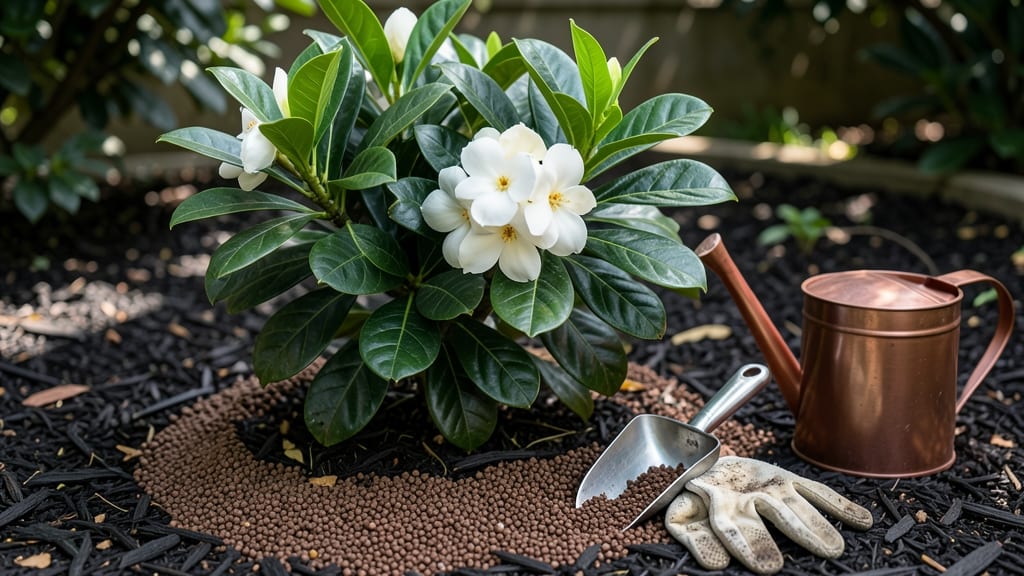
To fertilize gardenia plants at the right time means feeding them just as new growth starts in early spring—before those iconic white blooms even appear.
Your gardenia’s stunning white blooms could be struggling if you’re fertilizing at the wrong time—timing is everything for these finicky but rewarding plants. Too early, and you’ll burn delicate roots; too late, and you’ll miss the bloom-boosting window entirely.
In USDA Zone 6a, that means April through May for most gardeners, but tropical climates may stretch it into early summer. The key is feeding when the plant wakes up—not when it’s already blooming or dormant.
Below, I’ll walk you through the exact schedule, how to spot over- or under-fertilizing, and the best fertilizer types to keep your gardenia thriving without stress.
Optimal gardenia fertilizing schedule by season: spring vs fall timing explained
Timing your gardenia's fertilization is the secret to those fragrant, snow-white blooms you crave. These acid-loving shrubs thrive on a seasonal feeding schedule that aligns with their natural growth cycles.
Fertilizing at the wrong time—like during summer dormancy—can actually stress your plant and reduce blooms next season. Let's break down the perfect timing for maximum impact.
Gardenias have two critical feeding windows: early spring to kickstart growth and late spring to support bloom production. The fall and winter months? That's when your gardenia takes a well-deserved break from fertilization.
Understanding these phases ensures your plant puts energy where it counts—into vibrant flowers and healthy foliage rather than unnecessary leafy growth.
Why timing matters: Gardenias are semi-dormant in summer and need zero feeding during this period. Over-fertilizing in summer leads to soft, weak growth that's prone to pests and diseases. The key is feeding when roots are actively growing but before the heat sets in.
In early spring (March-April), your gardenia wakes up from winter dormancy. This is when you should apply your first balanced fertilizer (like 10-10-10) to encourage new growth. Think of it as giving your plant a nutrient jumpstart before the heat arrives.
For potted gardenias, use half the recommended dose since they have limited root space.
By late spring (May), your gardenia should be showing signs of active growth—new leaves and flower buds. This is your second critical feeding window. Switch to a lower-nitrogen fertilizer (like 8-3-9) to promote blooming rather than leafy growth.
Apply this every 3-4 weeks until you see buds forming, then taper off to avoid over-ripe blooms that fall prematurely.
Many gardeners mistakenly fertilize during summer months, thinking their plants need extra nutrients. But gardenias actually slow their growth in summer heat to conserve energy. Feeding during this time leads to soft, sappy growth that attracts pests like spider mites.
Instead, focus on consistent watering and light pruning to maintain plant health without stressing it.
Fall fertilization is a common mistake that can delay winter dormancy. Gardenias need time to harden off before cold weather. Skip all fertilizer applications after mid-summer to allow your plant to prepare for winter.
You'll thank yourself next spring when your gardenia bursts into vibrant blooms without any nutrient burnout.
For potted gardenias, follow the same seasonal rules but reduce fertilizer amounts by 30-50% due to their limited root zones. These plants dry out faster, so always water thoroughly before fertilizing to prevent root burn.
In containers, you can fertilize once more in early fall (September) with a low-phosphorus formula to support root strengthening before winter.
Pro tip: Always fertilize in the early morning when temperatures are cool. This prevents fertilizer salts from burning tender new growth. Water your gardenia thoroughly 24 hours before and after fertilizing to help nutrients absorb properly and prevent salt buildup in the soil.
Remember, gardenias are acid-loving plants that thrive on consistency. Sticking to this seasonal schedule—feeding in spring, resting in summer, and preparing for winter—will reward you with healthier plants and more abundant blooms year after year. 🌸
How to choose the right fertilizer for gardenias: acid-loving plant essentials
Gardenias thrive when given the right nutrients in the right form. Since they’re acid-loving plants, their fertilizer must match their soil pH needs—typically between 5.0 and 6.5.
Choosing the wrong type can lead to yellowing leaves, fewer blooms, or even plant stress. Let’s break down the best options to keep your gardenias flourishing.
For gardenias, the NPK ratio matters just as much as the pH balance. A 10-10-10 or 8-3-9 formula works well, but organic options like fish emulsion or composted pine bark are ideal for maintaining acidity. Synthetic fertilizers can work too, but they often require additional steps to adjust soil pH.
Micronutrients like iron, magnesium, and manganese are also critical. Gardenias often show signs of deficiency—like yellowing leaves—when these nutrients are lacking. A balanced fertilizer with micronutrients or a separate chelated iron supplement can prevent these issues.
Organic vs. Synthetic Fertilizers for Gardenias
Organic Fertilizers
- Pros: Improves soil structure, slow-release nutrients, maintains acidity.
- Cons: Requires more frequent applications, slower results.
Examples: Compost, fish emulsion, peat moss.
Synthetic Fertilizers
- Pros: Fast-acting, precise nutrient control, easy to measure.
- Cons: Can raise soil pH over time, risk of over-fertilization.
Examples: 10-10-10, 8-3-9, chelated iron.
🌱 Tip: Mix organic and synthetic for best results!
Adjusting the soil pH is often the missing piece in gardenia care. If your soil is too alkaline, nutrients like iron become unavailable, causing chlorosis (yellowing leaves). Test your soil with a pH meter or kit and amend with sulfur or peat moss to lower pH if needed.
Aim for that sweet spot of 5.0-6.5 for optimal nutrient absorption.
When applying fertilizer, always follow the label instructions but err on the side of caution. Over-fertilizing can burn roots and harm your gardenia’s health. For potted plants, use half the recommended dose to avoid salt buildup. Always water thoroughly after fertilizing to help nutrients reach the roots.
Finally, don’t forget about seasonal adjustments. In spring, focus on a balanced fertilizer to encourage growth, while in summer, a lighter feed maintains health without promoting new growth. Skip fertilizing in fall and winter when gardenias are dormant.