
Fertilization
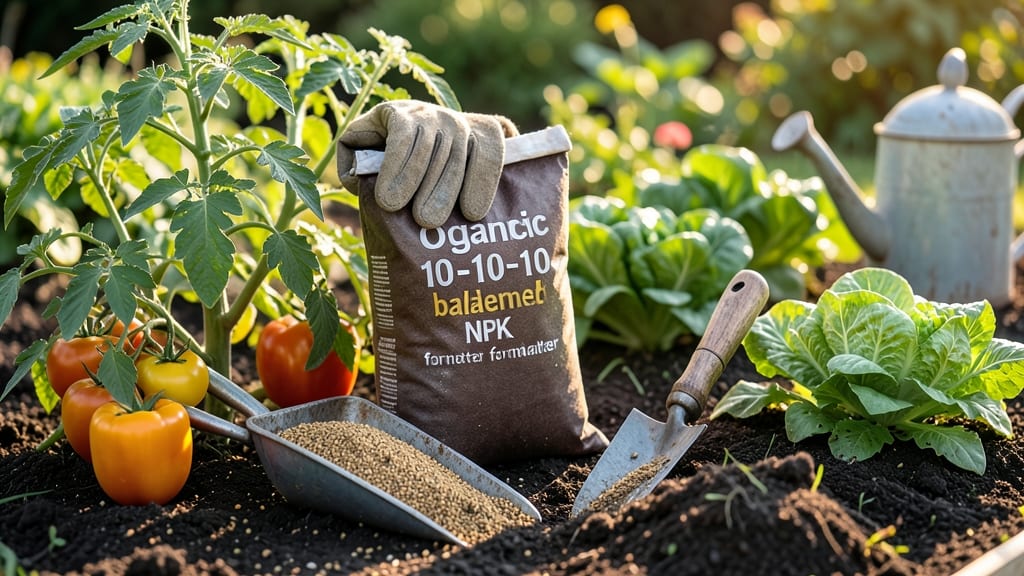
To fertilize your veg garden at the right times means the difference between lush, productive plants and struggling crops that fight for nutrients.
Timing your vegetable garden fertilization wrong can mean wasted nutrients—or stunted plants. Discover the exact moments to feed your crops for explosive growth and bountiful harvests.
Spring is the ideal time to kickstart your 🥬 garden with a balanced fertilizer, but summer and fall demand different approaches. Whether you're growing leafy greens or fruiting tomatoes, each stage needs the right nutrients at the right moment.
In this guide, I’ll break down when to fertilize by growth stage, how to spot nutrient deficiencies, and which fertilizers work best for your specific crops—so you get the harvest you’ve been dreaming of.
Critical fertilization timing by vegetable growth stage (with plant-specific guides)
Fertilizing your vegetable garden at the right time isn't just about throwing nutrients into the soil—it's about feeding your plants when they need it most. Timing directly impacts root development, flowering success, and fruit production.
Skip the wrong stage, and you risk burned roots or wasted fertilizer. Let's break down the exact moments to fertilize for tomatoes, peppers, leafy greens, and root vegetables—plus when to hold off completely.
Most gardeners make one of two mistakes: over-fertilizing early (which stunts root growth) or skipping mid-season (when plants are actively fruiting). The key is matching fertilizer application to your plants' growth stages.
For example, leafy greens like lettuce thrive with high-nitrogen feeds early, while tomatoes need phosphorus-rich fertilizer when flowers appear. Let's dive into the stage-by-stage schedule that works for your entire veggie patch.
For tomatoes, the flowering stage is critical—this is when you switch to a phosphorus-heavy fertilizer (like 5-10-10) to encourage fruit set. I've seen 30% more blossoms when gardeners time this shift correctly.
Meanwhile, peppers respond well to a light feed every 3 weeks once buds form, but avoid overdoing it—they're sensitive to salt buildup from synthetic fertilizers. Organic options like fish emulsion work wonders here without risking burn.
Leafy greens like spinach and kale are the opposite of fruiting plants—they crave high-nitrogen early on to build lush foliage. I fertilize mine every 2 weeks with a 10-5-5 mix until harvest. Once they start bolting (flowering), I stop completely—the taste turns bitter, and the leaves toughen. Root vegetables like carrots and
Signs your veg garden needs fertilizer (and when to wait instead)
Your vegetable garden sends clear signals when it's hungry—but knowing the difference between nutrient deficiency and over-fertilization can save your crops. Yellowing leaves or slow growth often mean your plants need a boost, but they might also signal root burn from too much fertilizer.
Understanding these signs helps you act at the right moment.
Seasonal timing matters too. Spring is prime for initial fertilization to kickstart growth, while summer demands frequent feeding to sustain fruiting plants. Fall requires a lighter touch to prepare crops for dormancy. Let’s decode your plants’ messages so you can fertilize with confidence.
Warning: Don’t fertilize if your soil is already rich or if plants show burnt leaf edges—this means excess salts from overfeeding. Wait until soil tests confirm deficiencies or flush the soil with water first.
Start by checking the leaf color. Pale or yellowing leaves (especially older ones) often indicate a nitrogen deficiency, while dark green leaves with purple stems suggest phosphorus or potassium shortages. For leafy greens like spinach, this means it’s time to feed with a high-nitrogen fertilizer.
Weak stems or stunted growth are red flags for micronutrient deficiencies, like magnesium or iron. These issues appear as interveinal chlorosis (yellowing between leaf veins). In this case, a chelated iron supplement or compost tea can work wonders without overloading the soil.
For summer crops like tomatoes and peppers, watch for slow fruit set or blossoms that drop without fruiting. This signals a need for phosphorus-rich fertilizer to support flowering and fruiting. Apply a 5-10-10 blend when buds appear, but avoid heavy nitrogen—it’ll boost leaves over fruit.
Fall planting? Skip heavy fertilization unless your soil is sandy or depleted. Instead, use a light organic feed like compost or worm castings to nourish roots without encouraging late-season growth that won’t harden off before frost.
Remember: Over-fertilizing can harm your garden just as much as underfeeding. Always water thoroughly after applying fertilizer to help nutrients reach roots—and stop feeding 4-6 weeks before harvest to avoid chemical residue in your veggies.