
Picking
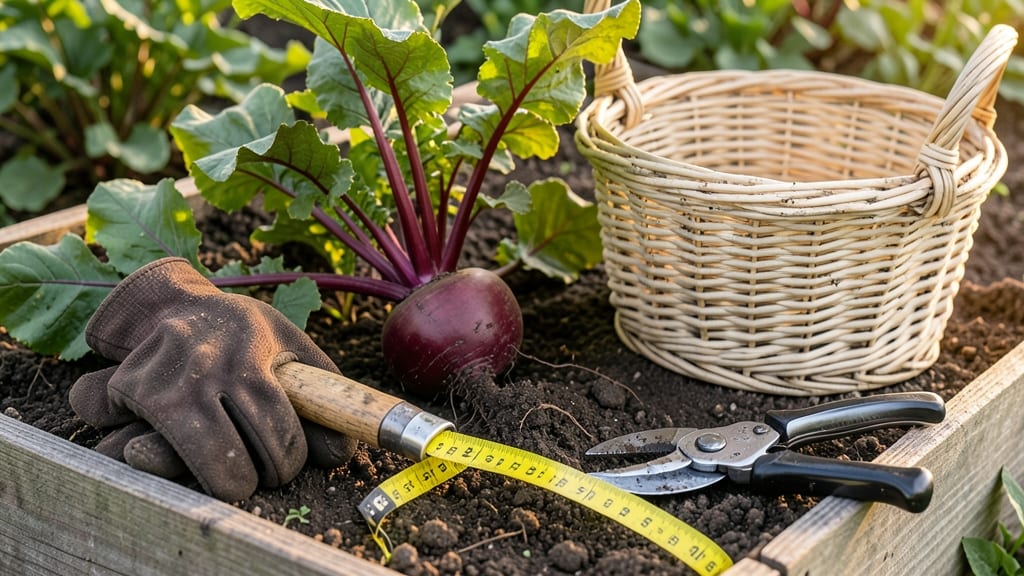
Harvesting beets from your garden at the right time means the difference between tender, sweet roots and tough, woody disappointments — and the key lies in knowing exactly when to pull them.
Picture this: you’ve nurtured your 🍠 for months, only to dig up a root that’s either too small or so fibrous it’s barely edible. That’s why timing matters more than you might think.
Most gardeners wait too long, but the truth is, beets reach peak flavor when they’re 1-3 inches in diameter — and that window opens around 60 days after planting. But there’s more to it than just days on the calendar.
In this guide, I’ll walk you through the visual cues (like leaf color and root size), the best seasonal windows for your Zone 6a garden, and even how to taste-test for perfection. Avoid the common mistakes that ruin flavor, and you’ll be harvesting restaurant-quality beets all season long.


How to determine when beets are ready for harvest by size and color
Knowing exactly when to harvest beets transforms your garden from a guessing game to a flavor-packed success. The difference between tender baby beets and woody overgrown roots often comes down to size, color, and leaf health.
For me, the key is checking these visual cues every 3-5 days as your beets mature.
Most gardeners assume beets are ready at 60 days after planting, but that’s just the starting point. The real magic happens when you combine root diameter, leaf development, and color intensity.
Baby beets reach perfection at 1-2 inches wide, while mature varieties need 2-4 inches for that signature deep hue.
Here’s the game-changer: A beet’s skin should resist gentle thumb pressure—like a firm apple. If it gives slightly, it’s not ready. And if the leaves are still sparse or pale? That’s your cue to wait a few more days. Let’s break down the exact indicators in this handy reference.
Let’s talk about color consistency—this is where many gardeners miss the mark. A deep, uniform hue (whether red, gold, or striped) means your beets are ready. If the color fades or looks patchy, they need more time.
I’ve found that golden beets mature slightly faster than red varieties, so check them a few days earlier.
For baby beets, aim for harvest when the roots are about 1-2 inches wide and the leaves reach 4-6 inches tall. These little gems pack maximum sweetness with minimal fiber.
My secret? I plant extra rows specifically for baby beets so I can enjoy them every 2-3 weeks throughout the season.
Don’t overlook the leaf health—vibrant, deep green leaves signal a thriving beet. If the leaves start yellowing or look wilted, your beet might be overripe or stressed.
This often happens when soil moisture drops or temperatures spike. Keep an eye out for leaf curl, which can indicate pests or disease.
Pro tip: Morning harvests work best because the soil is cooler and firmer. Dig carefully with a fork to avoid damaging nearby roots. For continuous harvests, I plant successive crops every 2 weeks to ensure a steady supply of fresh beets all season.
One common mistake I see is waiting until the beet is too large. Roots over 4 inches develop a tough, woody texture that’s less enjoyable to eat. The sweetest, most tender beets are always on the smaller side—so don’t let them bulk up too much in the soil.
Finally, trust your taste buds. If a beet looks perfect but tastes bland, it might need a few more days in the ground. The ideal beet should have a crisp texture and a sweet, earthy flavor.
When you nail this balance, you’ll know you’ve mastered the art of beet harvesting.
Taste-testing methods to find the sweetest beets in your garden
Finding the perfect balance of sweetness and texture in homegrown beets starts with a simple but effective strategy: taste-testing as they mature. Unlike many vegetables, beets actually become sweeter when exposed to cooler temperatures, but they can also turn woody if left too long.
I’ve learned that checking beets at different stages—from baby to full-sized—helps me pinpoint the exact moment they’re at their peak.
Start by sampling beets when they reach 1 inch in diameter, which is ideal for baby beets with delicate textures. These young roots are tender and slightly sweet, perfect for salads or quick cooking.
As they grow, I continue testing every 5-7 days to track changes in flavor and texture. This method ensures I don’t miss the sweetest window, which often occurs just before the roots get too large or fibrous.
One of my favorite tricks is to compare beets side by side during taste tests. I’ll roast or boil samples from different sizes and note the flavor differences.
For example, 2-inch beets often strike the perfect balance—sweet enough to satisfy cravings but still firm enough for hearty dishes like borscht or beet hummus. Meanwhile, larger beets (3+ inches) can develop a slightly bitter, earthy note if left too long in the ground.
Pay attention to soil temperature as well—cool evenings (around 50-60°F) enhance sweetness, while hot summer days can make beets taste bland. I’ve found that harvesting in early fall or late spring often yields the sweetest results, as the cooler weather naturally boosts sugar content.
If you’re growing in containers, beets may mature faster, so I check them every 4-5 days instead of weekly.
Don’t forget to rotate your harvests to avoid overcrowding. By thinning out older beets, you give younger ones more space to grow, which can improve their sweetness. I also keep a small notebook nearby to track which varieties (like Chioggia or Golden Detroit) perform best in my climate.
Over time, this method helps me predict the ideal harvest window for each type.
When you finally find that perfect sweet spot, celebrate! The key is to harvest beets just before they reach their maximum size—this ensures you enjoy their peak flavor before they become tough.
Store them in a cool, dark place (like a root cellar) for up to 2 weeks, and you’ll have homegrown sweetness all season long. 🌱🍠