
Picking
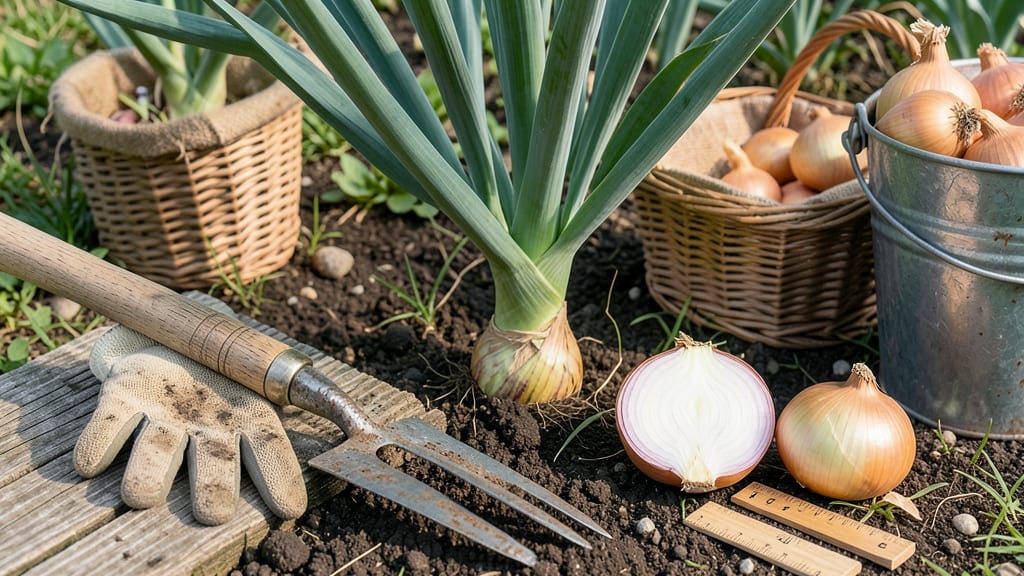
Harvesting onions from the garden at the right time ensures perfect, sweet bulbs instead of tough or sprouting ones — and the key is watching for these three visual cues before they bolt.
Picture this: your 🧅 tops are turning golden and flopping over while the bulbs feel firm but not rock-hard in your hand. That’s the sweet spot, but miss it by even a week, and you’ll end up with onions that either shrivel in storage or send up flower stalks.
Regional climate makes a difference too — in Zone 6a, spring-planted onions typically hit harvest in June or July, while fall varieties wait until October or November. The trick is balancing bulb size, leaf color, and neck dryness to avoid common mistakes that ruin your crop.
Below, I’ll break down the exact timing for each variety, how to cure them for long-term storage, and the one mistake that turns perfect harvests into bitter disappointments.


3 Visual signs your onions are ready for harvest (with exact timing)
Harvesting onions at the right moment transforms your garden into a treasure trove of flavorful bulbs instead of bitter, pungent leftovers. Unlike many vegetables, onions send clear visual signals when they're ready to pull. Ignoring these cues can lead to bulbs that split, rot, or develop tough skins.
The key is understanding the three universal signs—regardless of whether you're growing short-day varieties (like Texas Early White) or long-day types (such as Yellow Sweet Spanish).
Short-day onions mature faster in warm climates, while long-day varieties need cooler temperatures to bulb properly. This means timing can shift by 4-6 weeks depending on your zone and variety.
For example, in USDA Zone 6a, spring-planted onions typically reach harvest between June and July, while fall-planted varieties are ready by October or November. Paying attention to these visual cues ensures you don't miss the window.
🌱 Onion Harvest Readiness Checklist
- 1. Top Color Change: 🟡 The green tops turn from vibrant green to a straw-like yellow. This signals the bulb has stopped growing upward and redirected energy to the root. For short-day onions, this happens 8-10 weeks after planting; for long-day, it takes 10-12 weeks. If tops stay green, the bulb isn't mature yet.
- 2. Bulb Size & Neck Tightening: 📏 Gently grasp the base of the bulb—it should feel firm and measure 1-2 inches in diameter. The neck (where the bulb meets the stem) will begin to shrink and dry. If you can peel the outer skin easily, the onion needs more time. For storage onions, wait until the neck is paper-thin before harvesting.
- 3. Top Fall-Over Test: 🌿 Give the top of the onion a gentle push—it should flop over rather than spring back upright. This indicates the inner bulb has fully developed. If the tops stay stiff, leave them in the ground for 1-2 more weeks. Green onions (scallions) are harvested earlier when 5-6 inches tall and tops are still green.
Pro Tip: Use a gardening knife to slice through the neck—this prevents damage to the bulb and makes curing easier. Avoid pulling onions by the tops, as this can tear the skin.
Timing is everything when it comes to onion varieties. Short-day onions, like those grown in Southern states, often mature 60-80 days after planting and are ready when the tops yellow and fall over.
Meanwhile, long-day onions, such as those in cooler Northern climates, take 100-120 days to reach harvest. If you're unsure which type you're growing, check the seed packet—most commercial varieties are labeled clearly. Overlooking this can result in bulbs that split or develop hollow centers.
One common mistake is waiting too long after the tops yellow. Once the tops fall over completely and start to brown and crisp, the bulb is at risk of bolting (sending up a flower stalk) or rotting in the soil.
This is especially true in hot, dry climates, where onions can bolt prematurely. To prevent this, harvest within 1-2 weeks of the tops turning yellow. If you're in a humid region, like the Southeast, prioritize harvesting before rain sets in, as excess moisture can cause rot.
For storage onions, the goal is to harvest when the neck is nearly dry but the bulb is still firm. This usually happens 2-3 weeks after the tops yellow.
If you're growing onions for fresh use (like caramelizing or pickling), you can harvest slightly earlier when the bulbs are 1 inch in diameter and the tops are just starting to yellow. The trade-off? These bulbs won't store as long but will be sweeter and more tender.
After harvesting, don't wash your onions—this speeds up spoilage. Instead, trim the roots and let them cure in a dry, shaded area for 2-3 weeks. This process thickens the skin and extends shelf life. For long-day onions, curing is critical to prevent mold, especially in damp climates.
Place them in a single layer with good airflow, like a mesh bag or wooden crate, and avoid direct sunlight, which can cause them to scorch.
If you're growing green onions (scallions) or shallots, the rules are different. Harvest green onions when they reach 5-6 inches tall and the bulb at the base is ½ inch wide. Shallots, on the other hand, are ready when the tops yellow and the cloves separate easily.
Unlike storage onions, these don't need curing—they can be used fresh or stored in the fridge for up to 2 weeks. Knowing these distinctions saves you from harvesting the wrong part of the plant!
Finally, keep an eye on your soil conditions. Onions grown in rich, well-draining soil with balanced nutrients (like a 5-10-10 fertilizer) will show clearer harvest signals. If your soil is too fertile, onions may produce leafy tops with small bulbs.
Conversely, poor soil can lead to stunted growth or pale bulbs. Amend your soil with compost before planting to ensure your onions send the right signals when harvest time arrives.
Mastering these three visual cues—top color, bulb size, and neck shrinkage—will turn your onion harvest from a gamble into a reliable, flavorful success. Whether you're a first-time gardener or a seasoned green thumb, these signs are your ticket to perfectly timed onions every season. 🧅
Onion harvesting mistakes that ruin your crop (and how to avoid them)
Harvesting onions at the wrong time can turn your hard work into bitter, shriveled bulbs instead of sweet, flavorful harvests. I’ve learned the hard way that timing is everything—whether you’re dealing with short-day varieties like Texas Early White or long-day types like Yellow Sweet Spanish.
Even a few days too early or late can ruin your crop, and improper handling after harvest makes matters worse.
One of the biggest mistakes I see gardeners make is pulling onions too early. When bulbs are still small and tops are green, they won’t store well and lack flavor.
On the flip side, leaving them in the ground too long causes them to bolt or rot, especially in hot weather. Then there’s the curing process—skipping it or doing it wrong leads to moldy, unusable onions.
If you wait until 70% of onion tops turn yellow and fall over, you’ve likely missed the prime window. After this point, bulbs may split, rot, or sprout—especially in humid climates.
For spring-planted onions, aim to harvest by late June to early July; for fall-planted, harvest by October before frost hits.
Pro Tip: Dig up a test onion at 100-120 days after planting. If the bulb is 1-2 inches wide and the neck is drying, it’s time to harvest the whole batch.
Another critical error is harvesting onions after rain. Wet soil makes bulbs dirty and increases the risk of fungal diseases like white rot. Always wait 24-48 hours after rainfall to harvest, and avoid working in the garden when the ground is soggy.
I once lost an entire batch because I ignored this rule—now I check the weather forecast before harvesting.
Improper curing is the silent killer of homegrown onions. Many gardeners think they can just rinse and store them right away, but onions need 1-2 weeks of drying in a well-ventilated, shady, dry spot (like a garage or porch).
Without curing, they’ll mold or spoil within weeks. For best results, lay bulbs in a single layer on a screen or mesh rack and avoid direct sunlight.
Don’t forget about green onions—they have different harvesting rules! You can snip the green tops as needed, but if you want mature bulbs, let them grow until the tops yellow.
Cutting green onions too aggressively can stunt bulb development, so leave at least 6 inches of growth if you want full-sized onions.
Finally, storing harvested onions incorrectly can turn a great harvest into a loss. Never refrigerate whole onions—they’ll sprout or rot faster. Instead, store them in a cool, dark, dry place with good airflow (like a mesh bag or burlap sack) for up to 6 months.
If you notice any bulbs sprouting, use them first or replant the greens for regrowth.