
Picking
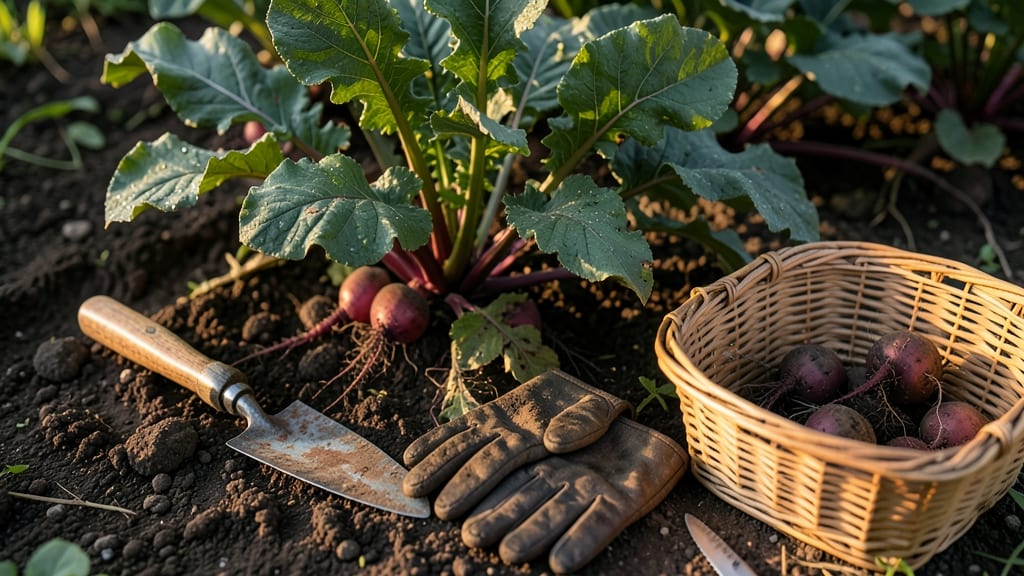
To pick beets from your garden at their sweetest, watch for roots reaching 1-3 inches in diameter and vibrant color—this is when they’re perfect for eating.
Ever pulled a beet from your garden only to discover it’s tough, woody, or bitter? Timing is everything—harvest beets at the wrong moment, and you’ll miss out on their sweetest, most tender flavor. But how do you know when those ruby roots are ready?
Start by checking the size of your 🍠—smaller varieties like ‘Baby Beets’ are ready in just 45 days, while larger types need up to 70 days. Look for leaves that are dark green and healthy, and roots that resist gentle pressure when squeezed.
In this guide, I’ll show you how to test for sweetness, avoid common mistakes, and even salvage beets that are slightly overripe. Ready to turn your garden into a flavor-packed harvest?


How to determine when beets are ready for harvest by size and soil
Harvesting beets at the perfect moment transforms your garden into a treasure trove of sweet, tender roots. The key lies in watching for three critical signals: root size, leaf health, and soil conditions.
When these align, you’ve hit the sweet spot for flavor and texture. I’ve learned that skipping these cues often leads to tough, woody beets—or worse, bitter ones that ruin even the best recipes.
Start by checking the root diameter, which is your most reliable indicator. Baby beets (like 'Babybeat' varieties) are ready when they’re 1-2 inches wide, while larger types (such as 'Detroit Dark Red') should reach 2-3 inches.
The rule of thumb? Smaller roots = sweeter flavor, but don’t harvest too early or you’ll sacrifice size and yield.
Next, examine the leafy tops. Healthy beet greens should be dark green and vibrant, with leaves reaching 4-6 inches tall. If the leaves turn yellow or wilt, it’s a sign of stress—either from over-maturity or underwatering.
I once ignored this cue and ended up with beets that tasted more like dirt than sweetness!
Now, let’s talk soil conditions, which play a surprising role in harvest timing. Gently squeeze the soil near the beet roots—if it feels slightly firm but not rock-hard, the beets are likely ready.
Overly dry soil can cause roots to become tough, while soggy conditions lead to bolting (flowering), which ruins the tender texture. Aim for consistently moist soil without waterlogging.
| Maturity Indicator | Ready Signs | Not Ready Signs | Action |
|---|---|---|---|
| Root Size | 1–3 inches diameter | Smaller than 1 inch | Harvest baby beets or wait 1–2 weeks |
| Leaf Color | Deep green, healthy | Yellowing or wilted | Check soil moisture; harvest if leaves are stressed |
| Root Texture | Firm but tender | Woody or fibrous | Harvest immediately or risk tough flavor |
| Soil Resistance | Slightly firm when squeezed | Too dry or waterlogged | Adjust watering; harvest when soil is ideal |
| Time to Harvest | 45–70 days after sowing | Past 70 days (risk of bolting) | Harvest before flowering or roots toughen |
For baby beets, timing is even more critical. These varieties are bred to reach harvest-ready size in just 30–40 days. I recommend checking them every 5–7 days starting at 30 days—they’ll be tender and sweet when pulled.
If you miss this window, they’ll quickly become fibrous. For larger beets, wait until they’ve had 50–70 days to grow, but don’t delay beyond that or the roots will harden.
Seasonal timing matters too. In spring plantings, aim to harvest beets before summer heat triggers bolting. Conversely, fall-planted beets should be harvested before the first frost hits. I’ve found that October is ideal in most climates—beets harvested then store beautifully in the root cellar for months.
Pro tip: Use a garden fork to gently loosen the soil around the beet before pulling. This prevents damage to the roots and makes harvest day easier. If the beet resists, it’s not ready—wait another 3–5 days and try again.
Over time, you’ll develop a feel for the perfect moment when the beet slips free with minimal effort.
Finally, trust your taste buds. If you’re unsure, pull one beet, slice it open, and check the color and texture. A ready beet will have a deep, uniform color and a crisp, juicy interior.
If it’s pale or gritty, give it more time. This simple test has saved me from countless bitter harvests!
With these cues in mind, you’ll never again pull a beet that’s too tough or too small. Happy harvesting—your garden (and your taste buds) will thank you! 🍠💚✂️
Taste-testing tricks: the best methods to check beet sweetness before harvest
Determining the perfect moment to harvest beets isn’t just about size—it’s about flavor. Sweetness peaks when beets reach their ideal balance of sugar and tenderness, but oversized roots can turn woody or bitter.
The good news? You can test sweetness before digging using simple, foolproof tricks that save time and effort.
Start by examining the leafy greens. Young, tender leaves (about 4-6 inches tall) often indicate a sweet, baby beet ready to harvest. But for full-sized beets, look for deep green leaves with a slight reddish tint at the base—a sign the root below is storing maximum sugars.
If leaves taste slightly sweet when plucked and nibbled, your beets are likely on the right track!
🍠 Key Takeaway: When to Pick Beets from Garden
- 🌱 Baby Beets: Harvest when roots are 1-2 inches wide and leaves are 3-4 inches tall.
- 🍠 Full-Sized Beets: Wait until roots reach 2-3 inches and leaves are 6+ inches with vibrant color.
- ✅ Sweetness Test: Gently squeeze the root—if it resists slightly but doesn’t feel hard, it’s ready.
- ⚠️ Avoid: Harvesting when soil is dry or rocky, which causes bitterness.
For a more precise test, dig up one test beet and check its texture. A ready-to-harvest beet will have a firm but tender skin that gives slightly when pressed. If it feels spongy, it’s underripe; if it’s hard and fibrous, it’s past its prime.
Pro tip: Cut a small slice—sweetness should be intense and caramel-like, not bland or earthy.
Comparing beet types matters too. Baby beets (like 'Babybeat' or 'Detroit Dark Red') are sweeter when small, while full-sized varieties (like 'Chioggia' or 'Golden') need time to develop their signature flavors. Overlooking this can lead to disappointment—think of it like waiting for a ripe tomato versus grabbing one too soon!
Bitter or woody flavors often stem from stress or overgrowth. If your garden is hot and dry, beets may develop higher oxalic acid, making them taste sharp.
To prevent this, keep soil consistently moist and mulch to retain moisture. A light nitrogen-rich fertilizer early in the season also encourages sweeter roots.
Don’t forget to harvest on a cool morning after watering. This ensures beets are hydrated and at their peak flavor. Store them in a dark, cool place (like a root cellar) to preserve sweetness for up to a month.
With these tricks, you’ll never guess again—just taste-test your way to garden-fresh perfection! 🌿