
Picking
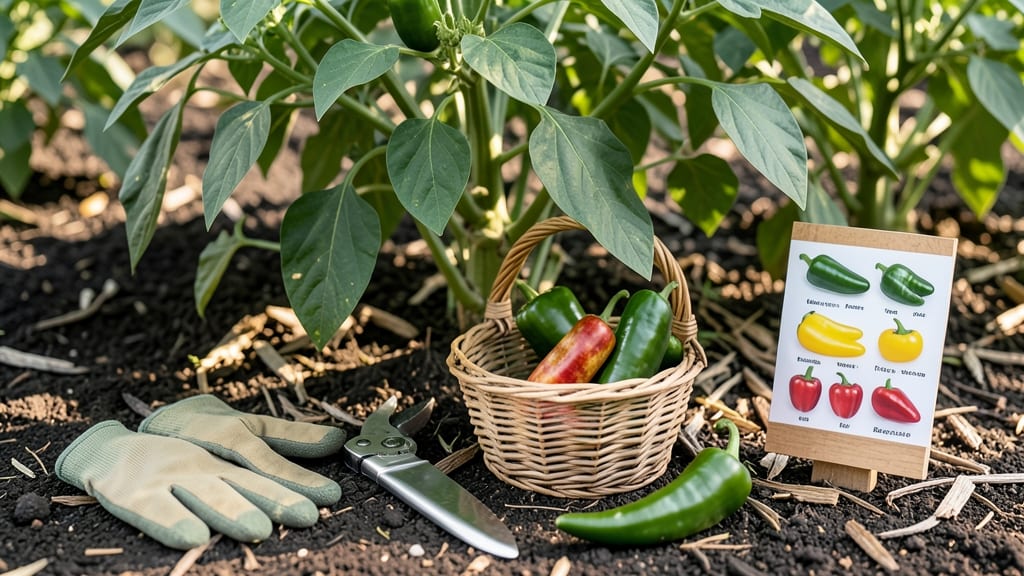
Picking jalapeños from the garden at the right time means the difference between fiery, flavorful peppers and bland, tough ones—here’s how to nail the perfect harvest window.
Picture this: you’ve nurtured your 🌶️ jalapeños all summer, and now they’re begging to be picked. But how do you know when they’re truly ready? Miss the mark, and you’ll either end up with underripe peppers that lack heat or overripe ones that turn mealy.
Color isn’t the only clue—firmness, size, and even the way the pepper feels when you gently squeeze it all play a role. In Zone 6a, where frost-free days stretch from April to October, timing matters even more.
Below, I’ll break down the exact ripeness stages (from green to red), when to harvest for maximum heat, and how to test them like a pro—so you never waste another pepper again.


Jalapeño ripeness stages by color: when to harvest for maximum heat
Harvesting jalapeños at the right color stage determines their heat intensity, flavor, and even storage life. Unlike some peppers, jalapeños offer a color spectrum from green to red or yellow, each with distinct characteristics.
Understanding these stages helps you decide whether to pick for immediate use or let them ripen fully for deeper flavor and capsaicin development.
The green stage is where most home gardeners harvest, but waiting for red or yellow ripening transforms the pepper’s heat and sweetness. In my garden, I’ve found that early harvests (green) provide consistent mild heat, while fully ripened peppers deliver a fruity, almost smoky depth.
Let’s break down each stage so you can choose the perfect moment to pick.
🌱 Key Takeaway: Jalapeños can be harvested at any stage, but color directly impacts flavor and heat. Green peppers are milder, while red or yellow varieties pack more capsaicin and sweetness.
At the mature green stage, jalapeños are typically 3-5 inches long with a glossy, dark green skin. This is the most common harvest point for pickling or cooking, as the peppers offer a balanced heat level (2,500-8,000 SHU).
I usually start checking for readiness around 60 days after transplanting, though this can vary by variety and climate. Look for peppers that feel firm but slightly yielding when gently squeezed—a telltale sign of ripeness.
If you’re patient, letting jalapeños ripen to red or yellow unlocks a whole new flavor profile. The turning stage begins when peppers start showing hints of color near the stem. As they fully ripen, their heat intensifies (8,000-15,000 SHU), and their flavor becomes sweeter with fruity undertones.
In my experience, red jalapeños are perfect for fresh salsas or drying, while yellow varieties add a unique twist to dishes.
One critical mistake I’ve seen gardeners make is waiting too long for color change. While red or yellow jalapeños are delicious, they’re also more fragile and prone to cracking or rotting if left on the plant.
Harvest them as soon as they reach your desired color to avoid overripening, which can lead to bitter flavors and reduced shelf life.
For regional variations, note that cooler climates may slow ripening. In USDA Zone 6a, where I garden, jalapeños often take longer to turn red compared to warmer zones like Zone 9.
If your peppers aren’t changing color by late summer, consider harvesting them green or providing extended-season protection like row covers to encourage full ripening.
Pro tip: Harvest in the morning when peppers are cool and crisp. This ensures the best flavor retention and makes it easier to spot vibrant colors against the dew-covered foliage. Use a sharp pair of pruning
How to test jalapeño ripeness beyond color: 3 pro tips for perfect picking
Color alone isn’t always the best indicator of jalapeño ripeness. Many gardeners pick peppers too early or too late, sacrificing flavor and heat. I’ve learned that three key tests—stem separation, seed development, and wall thickness—reveal the perfect moment to harvest.
These methods work for both green and red jalapeños, giving you consistent results every season.
First, let’s address the stem separation test. When you gently twist a jalapeño at its stem, a ripe one will detach cleanly with minimal effort. This happens because the cell walls weaken as the pepper matures.
If the stem resists or tears, it’s not ready yet. I’ve found this test especially useful for early-season peppers that might look ripe but aren’t quite there.
Twist the pepper at the stem—it should snap off cleanly when fully ripe. If it resists, wait 2-3 days.
Check inside—fully ripe seeds are dark and plump. Pale or shriveled seeds mean it’s not ready.
Squeeze gently—a ripe jalapeño yields slightly like a ripe tomato. Thin walls mean it’s overripe.
Next, examine the seeds inside your jalapeños. Fully ripe peppers have dark, plump seeds that fill the cavity. If the seeds are pale, shriveled, or barely visible, the pepper isn’t ready.
I’ve noticed that red jalapeños often have more developed seeds than green ones at the same size, so this test helps distinguish between varieties. Pro tip: Cut open a few peppers from different plants to compare—you’ll spot inconsistencies in ripeness you might miss otherwise.
Don’t overlook wall thickness as a ripeness indicator. A ripe jalapeño should feel firm but slightly yielding when you press it gently between your fingers—like the give of a ripe tomato.
If the walls feel thin or papery, the pepper is overripe and may have lost some of its flavor intensity. I’ve learned this the hard way after letting a batch of jalapeños sit too long on the plant, only to find them bland and seedy.
Avoid these common mistakes that lead to poor harvests: picking based solely on size (a small pepper can be ripe, while a large one might still be firm), ignoring the plant’s natural rhythm (morning harvests yield the best flavor), or assuming all jalapeños ripen at the same rate (some varieties mature faster).
I once harvested a batch of Early Jalapeños too early because they looked similar to my Red Jalapeños, only to discover they lacked heat. Always double-check with these tests!
Mastering these three ripeness tests will transform your jalapeño harvests. Start by checking the stem separation on your next batch, then verify with seed development and wall thickness.
With practice, you’ll develop an instinct for the perfect moment to pick—ensuring every pepper delivers maximum heat and flavor every time. Happy harvesting! 🌱🌶️