
Planting
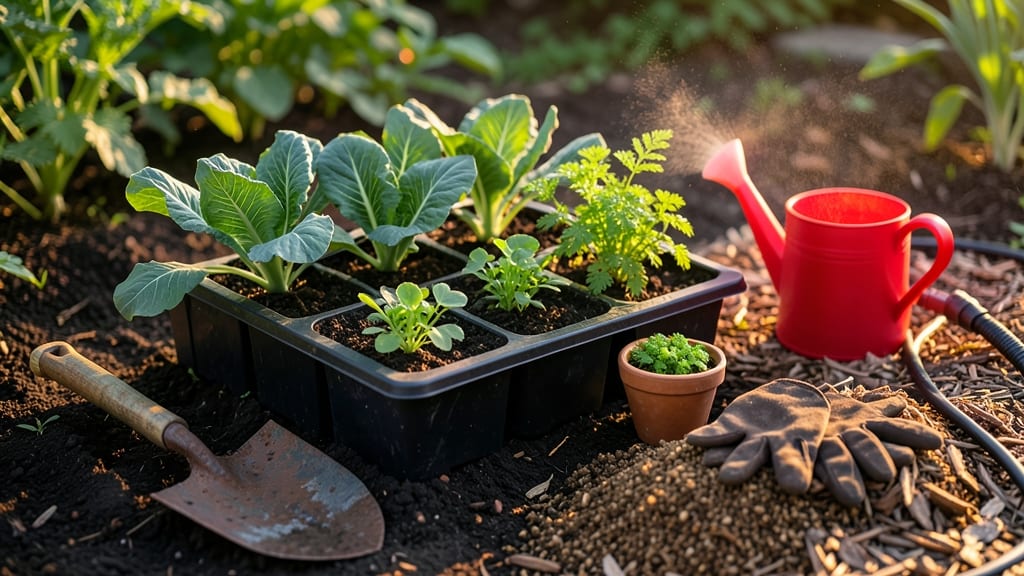
Planting a fall garden in South Texas starts 6-8 weeks before your first frost—that’s mid-August to early October for most of the region.
South Texas’s scorching summers can be brutal, but with the right timing and heat-tolerant crops, a thriving fall garden is absolutely possible—here’s exactly when and how to start.
You’ve got a short window to beat the heat while still giving your plants enough time to mature before the chill sets in. The key? Choosing varieties that love the lingering summer warmth and planting them at the perfect moment to avoid bolting or stunted growth.
Below, I’ll break down the exact dates for your zone, the top heat-tolerant crops to grow, and pro tips to extend your harvest well into December—without wilting under the Texas sun.
Best planting dates for fall vegetables in South Texas heat zones
South Texas’s heat zones 8b-9a demand precision when planting fall gardens—one wrong move, and your crops will bolt or wilt before harvest. The key is timing: start 6-8 weeks before the first frost (typically late January in most areas), but avoid planting too late when residual summer heat lingers.
My strategy? Begin in mid-August for heat-tolerant crops and transition to cooler-loving varieties by mid-September.
Unlike northern climates, South Texas’s extended growing season lets us squeeze in two harvests—one in late summer and another in fall. The trick is selecting varieties that handle 90°F+ soil temps early on, then shifting to cooler-season crops as temperatures dip.
For example, okra and sweet potatoes thrive in August’s heat, while kale and carrots prefer September’s milder days.
Here’s the month-by-month breakdown for planting fall vegetables in South Texas, accounting for heat tolerance, first frost dates, and optimal harvest windows. Use this as your roadmap to avoid common pitfalls like overheating seedlings or missed planting windows.
| Crop Type | Best Planting Window | Heat Tolerance | First Frost Risk | Harvest Window |
|---|---|---|---|---|
| Heat-Tolerant Crops (Okra, Sweet Potatoes, Malabar Spinach) | August 15 – September 15 | High (90°F+ soil) | Low (plant early) | September – November |
| Moderate Crops (Tomatoes, Peppers, Eggplant) | August 20 – September 30 | Medium (80°F+ soil) | Moderate (avoid late Sept) | October – December |
| Cool-Season Crops (Lettuce, Carrots, Kale, Broccoli) | September 1 – October 15 | Low (below 85°F) | High (plant by Oct 15) | October – January |
| Root Vegetables (Beets, Radishes, Turnips) | September 10 – October 10 | Moderate (75°F+ soil) | Moderate (fast-growing) | October – December |
| Green Beans, Peas, and Herbs (Basil, Cilantro) | September 15 – October 30 | Low to Medium | High (plant late Sept) | October – January |
For heat-tolerant crops like okra and sweet potatoes, the window opens in mid-August when soil temperatures start dropping from their summer peaks. These plants need warm soil (85°F+) to germinate, so don’t rush—wait until August 15 to avoid seedling stress.
I’ve had the best success with ‘Clemson Spineless’ okra and ‘Beauregard’ sweet potatoes, both of which handle South Texas’s humidity and heat like champs.
By late August, shift to moderate-heat crops like tomatoes and peppers. These thrive in 80-90°F soil but struggle if planted too late. My go-to varieties are ‘Celebrity’ tomatoes and ‘Jalapeño M’ peppers, which I direct-sow by August 20 for a fall harvest in October-November.
Pro tip: Use black plastic mulch to warm the soil faster and speed up germination.
Come September, it’s time for cool-season crops. Lettuce, kale, and carrots prefer 60-75°F soil, so aim to plant them by September 15 at the latest. I swear by ‘Black Seeded Simpson’ lettuce and ‘Winterbor’ kale—both bolt-resistant and perfect for South Texas’s mild winters.
For best results, start seeds indoors in late August and transplant outdoors by mid-September.
If you miss the September window, don’t panic—root vegetables like beets and radishes are forgiving. These fast growers tolerate cooler soil temps and can be sown as late as October 10 for a harvest before frost.
I love ‘Detroit Dark Red’ beets and ‘Cherry Belle’ radishes for their quick turnaround (30-40 days), making them ideal for last-minute plantings.
One critical mistake I’ve seen gardeners make? Planting cool-season crops too early. If you sow lettuce in August, it’ll bolt within weeks from the heat. Instead, wait until after Labor Day (around September 5) when daytime highs dip below <
Top heat-tolerant fall garden vegetables for South Texas success
South Texas’s late summer heat can linger well into September, making traditional fall crops a challenge—but not impossible. The key lies in selecting heat-tolerant varieties that thrive in 85-95°F temperatures while still maturing before the first frost.
These 12+ vegetables are my top picks for your fall garden, chosen for their ability to handle residual summer heat while delivering delicious harvests.
For example, okra and sweet potatoes don’t just tolerate heat—they thrive in it. Meanwhile, collard greens and malabar spinach remain productive even as temperatures dip. Each of these plants has specific planting depth and spacing requirements to maximize your garden’s success in South Texas’s unique climate.
⚠️ Planting Timing Matters
When to Plant for Fall Success
✅ Pros of Early Planting (July-August)
- Longer growing season for heat-loving crops
- Established roots handle September heat better
- Earlier harvests before first frost
❌ Cons of Late Planting (October)
- Limited time to mature before frost
- Higher heat stress on young seedlings
- Reduced yields for slower-growing varieties
Let’s start with the top 5 heat-tolerant vegetables that consistently deliver in my South Texas garden. Okra is my go-to for late summer planting—its pods mature in 50-60 days and love the heat. Plant seeds 1 inch deep and space them 12-18 inches apart for optimal air circulation.
For sweet potatoes, use slips (young plants) planted 4-6 inches deep in hills, with 18-24 inches between plants.
Collard greens are another winner, especially varieties like Georgia Southern or Blue Max, which handle heat better than traditional types. Sow seeds ½ inch deep and space them 12-18 inches apart. Malabar spinach, a vine-like green, thrives in heat and can be planted 1 inch deep with 12-18 inches between plants—it even produces edible flowers!
Don’t overlook peppers, particularly jalapeños or serranos, which mature quickly in 60-70 days. Plant seeds ½ inch deep and space them 12-18 inches apart. For eggplants, choose compact varieties like Ichiban and plant 1 inch deep with 18-24 inches between plants.
These crops love the heat but need consistent moisture—I water deeply every 2-3 days in September to prevent stress.
For root vegetables, carrots and radishes can be tricky in heat, but short-day varieties like Danvers carrots or Cherry Belle radishes work if planted by mid-August.
Sow seeds ¼ inch deep and thin to 2-3 inches apart for carrots and 1 inch apart for radishes. Turnips and beets also tolerate heat well when planted early.
Finally, consider herbs like basil and cilantro, which can be planted in partial shade by late August. Basil thrives in heat and can be harvested continuously, while cilantro benefits from afternoon shade to prevent bolting.
Plant basil seeds ¼ inch deep with 6-12 inches between plants, and cilantro ½ inch deep with 6-8 inches apart.
With these heat-tolerant varieties and precise planting guidelines, your South Texas fall garden can be just as productive as your spring one—if not more so! Start with okra and sweet potatoes for bold flavors, then add collards and peppers for variety. Happy planting! 🌱