
Planting
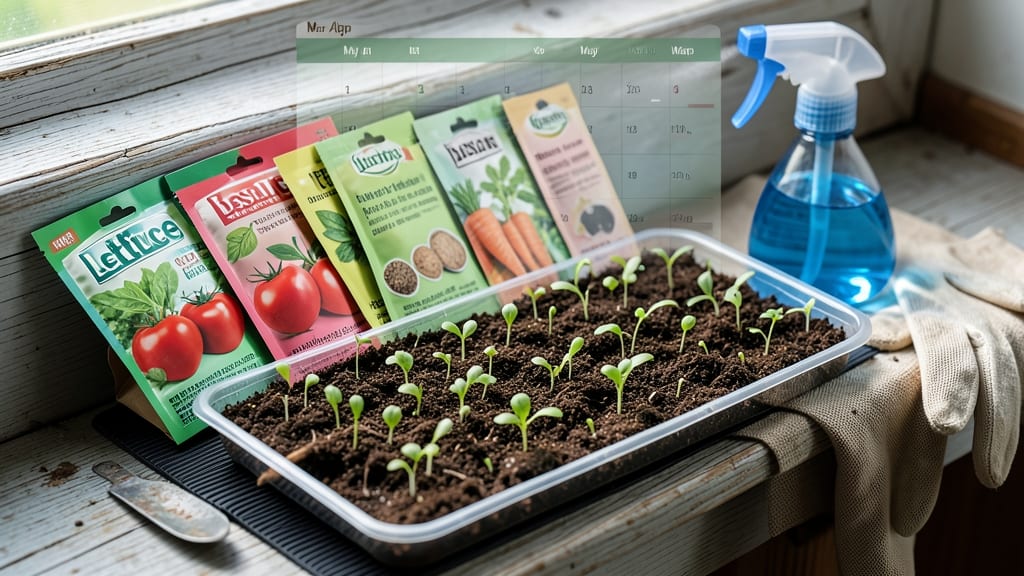
Planting seeds at the right time ensures fast germination and a thriving garden 🌱—whether you're working with cool-season greens or heat-loving tomatoes.
Timing your seed planting perfectly can mean the difference between a thriving garden and wasted effort—especially when you want fast, reliable germination. But with frost dates, soil temperatures, and plant types to consider, how do you know when to start?
In USDA Zone 6a, like much of the Midwest, the ideal window for most seeds is 4-6 weeks before your last frost (around mid-April), but warm-season crops like peppers and cucumbers need to wait until soil temperatures hit 70°F+—usually late May or early June.
Below, I’ll break down the exact deadlines by month, how to adjust for your local climate, and 5 pro tips to speed up germination after you’ve planted at the perfect time.
Zone-specific seed planting deadlines by month for maximum germination
Getting your seed planting timing right is the secret to fast germination and a bountiful harvest. The USDA hardiness zones (3-10) dictate when to plant, but even within a zone, frost dates and soil temperatures vary.
For example, Zone 3 gardeners can start cool-season crops like lettuce in early spring, while Zone 10 gardeners might plant the same seeds in fall. Let’s break down the month-by-month deadlines for your region to ensure your seeds sprout reliably.
Before diving into deadlines, remember that warm-season crops (like tomatoes and peppers) need warm soil (60°F+), while cool-season crops (like spinach and kale) thrive in cooler soil (40-50°F). Use a soil thermometer to check temperatures—this is your best tool for precision planting.
For instance, in Zone 5, you might plant cucumbers in late May, but in Zone 8, you could start them as early as March. Let’s explore the specifics.
| USDA Zone | Last Frost Date | Cool-Season Crops (Direct Sow) | Warm-Season Crops (Start Indoors) | Warm-Season Crops (Direct Sow) |
|---|---|---|---|---|
| 3-4 | Mid-May | Early April (cold frame) | Late March (tomatoes, peppers) | Late May |
| 5-6 | Early May | Mid-March (lettuce, spinach) | Early April (tomatoes, peppers) | Mid-May |
| 7-8 | Mid-April | Late February (broccoli, carrots) | Mid-March (tomatoes, peppers) | Early April |
| 9-10 | Late January | Fall (October-November) | January-February (tomatoes, peppers) | February-March |
*Deadlines are approximate; adjust based on local microclimates and soil warmth.
In Zones 3-4, where frost lingers late, focus on cold-hardy crops like peas and radishes in early spring. Start tomatoes and peppers indoors by late March to transplant after the last frost (mid-May).
For Zone 5-6, you can push the envelope slightly—plant spinach in mid-March and cucumbers in mid-May for a summer harvest. Meanwhile, Zone 7-8 gardeners enjoy longer growing seasons, allowing for fall plantings of kale and carrots in September.
For Zones 9-10, the rules flip: warm-season crops like okra and sweet potatoes thrive year-round, while cool-season crops are planted in fall (October-November) to avoid summer heat. My Zone 8 garden, for example, gets two tomato harvests—one in spring and another in fall—by staggering plantings.
This succession planting trick works in most zones if you time it right.
Don’t overlook soil preparation—amend your beds with compost and organic matter at least a month before planting to improve drainage and warmth retention. In Zone 4, I use black plastic mulch to warm soil faster for tomatoes and peppers.
For cool-season crops, a light row cover can extend the season by 2-3 weeks in early spring or late fall. These small adjustments make a huge difference in germination rates.
Pro tip: Use a planting calendar to track deadlines. For instance, if your last frost is April 15, start basil indoors 6-8 weeks prior (by March 1) and transplant after frost. Miss this window, and your b
How to adjust planting times based on soil temperature and seed type
Soil temperature isn't just a number—it's the deciding factor between seeds that sprout in days and those that rot in the soil. Cool-season crops like spinach and peas love 40-50°F soil, while warm-season crops such as tomatoes and cucumbers won’t germinate until the soil hits 70°F or warmer.
Without checking, you might plant your basil seeds too early, only to watch them fail to sprout until the heat arrives.
Using a soil thermometer is your secret weapon—it tells you exactly when conditions are right for each seed type. For example, carrots and lettuce can handle 50-60°F soil, but beans and squash need 65-85°F. Even a 10°F difference can delay germination by weeks, so don’t guess—measure!
Comparison Table for Seed Types and Ideal Soil Temperatures:
If your soil is too cold for warm-season crops, try black plastic mulch or row covers to raise the temperature by 5-10°F. For cool-season crops planted too late, a cold frame can extend the season by trapping heat.
I’ve even used clear plastic bottles as mini greenhouses to protect tender seedlings from unexpected frosts.
Don’t forget succession planting—this technique lets you stagger plantings every 2-3 weeks for a continuous harvest. For example, sow radishes every 10 days in spring for a steady supply, since they germinate quickly in 50-60°F soil.
Meanwhile, broccoli planted in early spring and again in late summer can give you two harvests in one season.
One common mistake? Planting warm-season seeds too early and watching them rot. Always check the seed packet for soil temperature requirements—it’s your best guide. And if you’re unsure, start seeds indoors 4-6 weeks before the last frost, then transplant when soil temps align with their needs.
With the right adjustments, you’ll turn frustrating delays into predictable success. The key is patience and preparation—your garden will thank you with faster sprouts and healthier plants! 🌱