
Planting
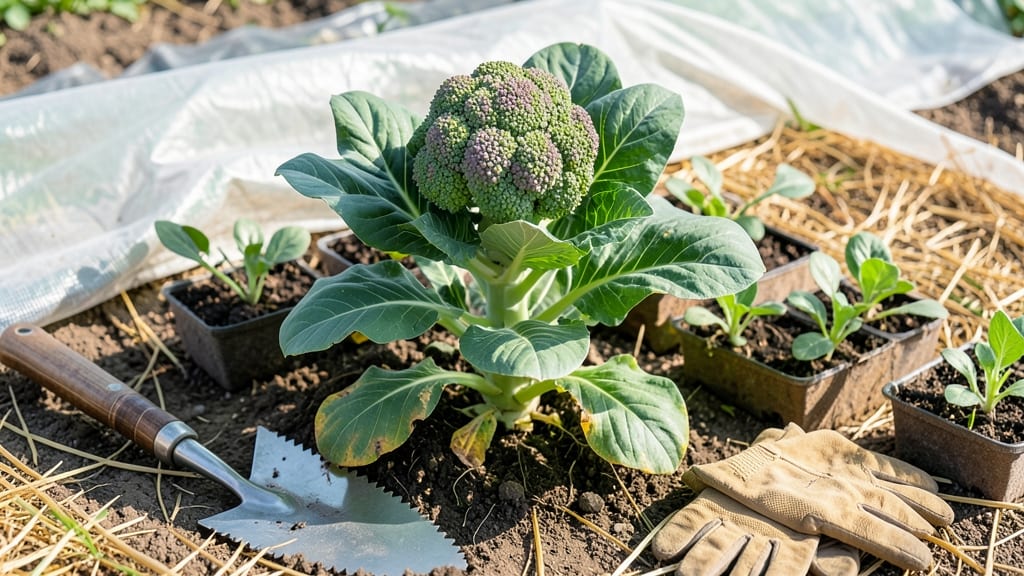
To plant a fall garden in Zone 7, start between mid-August and mid-September—timing that lets most cool-season crops mature before the first frost hits.
Missed your spring planting window? Don’t worry—Zone 7’s fall garden season offers a second chance to grow thriving 🌱 vegetables, herbs, and flowers with precise timing that maximizes yields before winter. The key is working backward from your first frost date (usually mid-October in Zone 7) and choosing fast-maturing varieties.
Why does this matter? A well-timed fall garden extends your harvest season, reduces grocery bills, and gives you fresh greens when winter produce is scarce. But plant too late, and you’ll end up with bitter greens or stunted roots—no one wants that.
In this guide, I’ll break down the exact planting windows for your favorite fall crops, how to adjust for your microclimate, and the top 5 fastest-growing varieties that guarantee success before frost. Let’s get growing!
Fall planting calendar for Zone 7: exact dates by plant type for maximum growth
Zone 7 gardeners get a second chance at a bountiful harvest with fall planting—just follow the right timing for your cool-season crops. The key is starting 6-8 weeks before the first frost (typically October 15 in Zone 7) to ensure plants mature before winter sets in.
Whether you're sowing seeds or transplanting seedlings, precise dates make all the difference in avoiding frost damage while maximizing yields.
Unlike spring, fall planting works backward from your first frost date. Fast-maturing crops like radishes and spinach can handle cooler temps, while broccoli and kale need more time to bulk up.
I’ll break down the exact monthly windows for direct sowing vs. transplanting, so you can plan like a pro and avoid common mistakes like planting too late.
Pro Tip: Use row covers or cold frames to extend your growing season by 2-4 weeks if early frosts threaten. This simple trick can turn a failed harvest into a goldmine of fresh greens!
| Plant Type | Direct Sow Window | Transplant Window | Days to Maturity | Notes |
|---|---|---|---|---|
| Leafy Greens (Lettuce, Spinach, Kale) | Late July–Mid-September | Late August–Early October | 30–60 days | Sow successionally for continuous harvests. |
| Root Vegetables (Carrots, Radishes, Beets) | Mid-August–Late September | N/A (Direct sow only) | 25–50 days | Radishes mature fastest—ideal for late plantings. |
| Broccoli & Cabbage (Brassicas) | Late July–Early September | Late August–Mid-September | 50–80 days | Start with transplants for larger heads. |
| Herbs (Cilantro, Parsley, Dill) | Mid-August–Late September | N/A (Direct sow only) | 30–50 days | Cilantro bolts in heat—avoid early plantings. |
| Flowers (Pansies, Snapdragons, Calendula) | Late August–Mid-September | Late August–Early October | 40–70 days | Transplants handle cooler temps better than seeds. |
August is your best month to start fall gardens in Zone 7. For direct-sown crops like carrots and radishes, aim for mid-August to ensure harvests before frost. These fast growers (30–50 days) thrive in cooler soil and can tolerate light frosts.
If you miss this window, don’t panic—leafy greens like spinach can still be sown in early September for a late-fall harvest.
Transplanting broccoli or cabbage in late August gives them enough time to bulk up before winter. These cool-loving crops need 60–80 days to mature, so timing is critical. I recommend hardening off seedlings for 7–10 days before planting to reduce shock and improve survival rates in cooler weather.
September is your last chance for certain crops. Pansies and snapdragons can handle light frosts and even add color to your garden as temperatures drop. For herbs like cilantro, sow seeds by mid-September to avoid bolting from residual summer heat.
If you’re feeling ambitious, try succession planting every 2 weeks in September to keep a steady supply of greens.
October is for quick-harvest crops only. If you haven’t planted by early October, focus on radishes or turnip greens, which mature in as little as 25 days.
These hardy crops can survive light frosts and still deliver flavorful harvests. For everything else, it’s time to protect your garden with row covers or move potted plants
How to adjust planting dates based on your Zone 7 microclimate
Your Zone 7 garden might be warmer or cooler than the official USDA averages, thanks to factors like elevation, urban heat islands, or microclimates near water bodies.
These can shift your planting window by 2-4 weeks—either pushing it earlier or later than the standard mid-August to mid-September range. Ignoring these shifts risks planting too late for a harvest before frost.
For example, a garden at 2,000 feet elevation in Zone 7 might experience cooler soil temperatures and need to start seeds 2 weeks earlier than a lowland garden. Meanwhile, a paved city garden can trap heat, allowing you to plant spinach or kale 2 weeks later without risking frost damage.
To avoid guesswork, test your soil’s readiness using the finger test: Push your finger 2-3 inches deep. If the soil feels warm but not hot (around 60°F), it’s ready for cool-season crops like broccoli or carrots. If it’s still cold, wait another week.
⚠️ WARNING: Planting Too Late in Zone 7
Even if your garden feels warm, fall crops need time to mature before the first frost (usually mid-October in Zone 7). Planting lettuce or radishes after September 15th risks bitter greens or stunted roots.
Use a frost calendar (like the Old Farmer’s Almanac) and subtract your crop’s days to maturity to calculate your last safe planting date.
Urban gardens often face heat islands where asphalt and buildings trap warmth. If your soil stays above 70°F in late summer, opt for heat-tolerant varieties like Swiss chard or arugula, which handle warmer soil better than delicate spinach.
Mulch with straw or leaves to cool roots and extend the growing season by 1-2 weeks.
For elevation adjustments, subtract 1°F per 300 feet from your Zone 7 average. At 3,000 feet, your "Zone 7" might act like Zone 6, pushing back planting by 3 weeks. Use row covers or cold frames to protect young plants if your microclimate runs cooler.
Pro tip: Direct-sow fast crops like radishes (25 days) or bush beans (50 days) in late August for an early harvest, then succession plant kale or carrots in early September. This staggered approach ensures continuous harvests before frost bites.
Always monitor your garden’s unique conditions—your microclimate is the final authority on planting dates. Adjust as needed, and you’ll enjoy a bountiful fall harvest! 🌱