
Planting
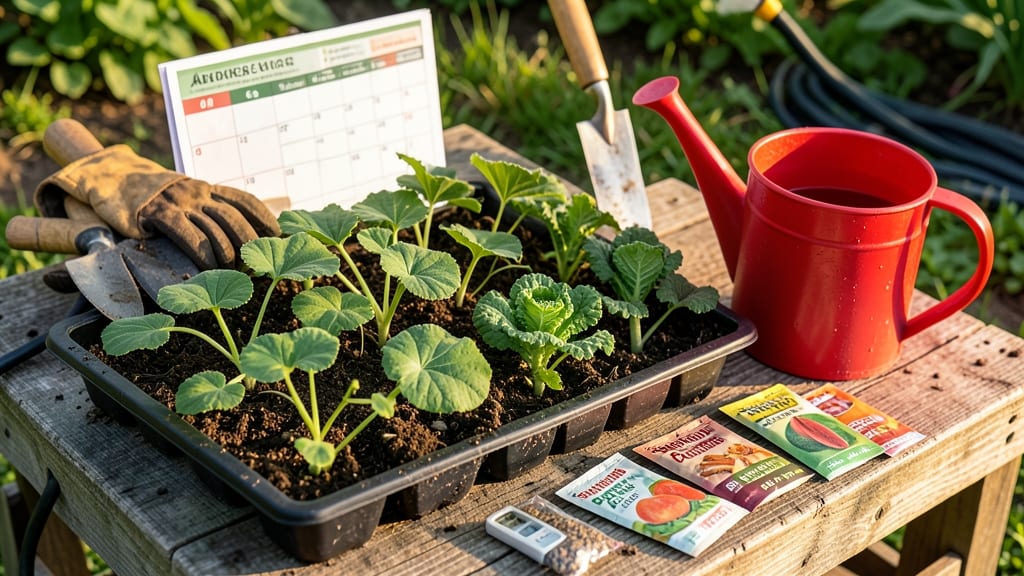
Planting a garden in Arkansas at the right time ensures your 🌱 greens thrive before summer heat sets in — and missing that window can mean stunted growth or lost crops.
Timing your Arkansas garden perfectly can mean the difference between a bountiful harvest and wasted effort—especially with the state’s unpredictable spring weather and diverse growing zones.
Whether you’re in the cooler Ozarks or the warmer Delta, knowing when to start seeds indoors, transplant seedlings, or direct-sow outdoors is the key to fast, reliable growth.
Below, I break down the exact months to plant by crop type, soil temperature thresholds, and how to adjust for Arkansas’ microclimates—so you can skip the guesswork and get straight to harvesting.
Arkansas planting zones explained: when to start cool vs warm season crops
Arkansas spans USDA zones 6b through 8a, creating a unique challenge for gardeners who must balance cool-season crops with heat-sensitive warm-season plants. The key? Planting at the right time to avoid late frosts or early summer heat that can stunt growth.
In northern Arkansas (zones 6b-7a), winters are colder, while southern regions (7b-8a) enjoy milder winters and longer growing seasons.
For cool-season vegetables like kale, peas, and lettuce, timing is everything. These crops thrive in 50-65°F soil temperatures and can even tolerate light frosts. Plant them in early spring (February-March) or late summer (August-September) for a fall harvest.
Warm-season crops—tomatoes, peppers, and squash—need soil temps above 60°F and should wait until after your last frost date (mid-April to early May).
Here’s how Arkansas’ zones break down for optimal planting:
| USDA Zone | Last Frost Date | Cool-Season Start | Warm-Season Start | Key Tips |
|---|---|---|---|---|
| 6b (North AR) | April 15 | Feb 15 - Mar 1 | May 1 | Use row covers for frost protection |
| 7a (Central AR) | March 31 | Feb 1 - Mar 15 | April 15 | Start warm crops indoors in March |
| 7b (South AR) | March 15 | Jan 15 - Feb 28 | March 20 | Longer growing season—double crop! |
| 8a (Southeast AR) | February 28 | Dec 15 - Jan 31 | February 15 | Plant heat-tolerant varieties |
In northern Arkansas (zones 6b-7a), gardeners should prioritize early spring planting for cool-season crops like broccoli and spinach. These areas experience harder frosts, so use row covers or cold frames to extend the season.
For warm-season crops, wait until soil temperatures consistently stay above 60°F—usually mid-April to early May.
Southern Arkansas (zones 7b-8a) offers a longer growing season, allowing for earlier warm-season plantings and even winter gardening. Here, you can plant tomatoes and peppers as early as February and enjoy fall harvests into November.
Use this advantage to succession plant warm crops like beans and cucumbers every 2-3 weeks for continuous harvests.
One of my favorite tricks for Arkansas gardeners is succession planting. After harvesting early cool-season crops like lettuce in May, replace them with warm-season favorites like bush beans or malabar spinach. This keeps your garden productive year-round and maximizes space.
Just be sure to test your soil pH (ideal range: 6.0-6.8) before planting—Arkansas’ clay-heavy soils often need compost or lime for optimal growth.
For warm-season crops, don’t rush—slow starts lead to stunted plants. Wait until nighttime temperatures stay above 55°F before transplanting seedlings. If you’re in zone 8a, you can even plant fall squash or pumpkins in July for a harvest before frost.
Just monitor soil moisture closely during Arkansas’ hot, humid summers to prevent blossom-end rot in tomatoes.
Pro tip: Use a soil thermometer to check temperatures—50°F is ideal for cool crops, while 65°F+ is perfect for warm-season starters. In my zone 7b garden, I’ve found that peppers thrive when transplanted after Memorial Day, while cucumbers bolt if planted too early.
Pay attention to your garden’s microclimate—south-facing beds warm up faster than shady spots.
Finally, don’t forget about fall planting! After Labor Day, cool-season crops like kale and radishes can be sown for a winter harvest. In zone 8a, you might even get a second crop of greens in December.
Just cover seedlings with lightweight frost cloth if temperatures dip below 25°F.
With Arkansas’ varied climate, flexibility is key. Start seeds indoors 6-8 weeks before your last frost date, and always have backups for late frosts or heatwaves. Your garden will thank you with
Best month-by-month planting schedule for Arkansas gardens
Arkansas gardeners know timing is everything—especially with USDA zones 6b-8a and microclimates ranging from the humid Delta region to the cooler Ozark Mountains. The average last frost date varies from mid-March in the south to early April in the north, while soil temperatures must reach 50°F+ for warm-season crops.
Planning ahead ensures your vegetables and flowers thrive despite Arkansas’ unpredictable spring weather.
Use this month-by-month guide to align planting with frost dates, soil warmth, and regional differences. Whether you’re in Little Rock or Jonesboro, these actionable steps will help you start seeds, transplant seedlings, and harvest successfully.
Remember: cool-season crops like broccoli and spinach go in early, while tomatoes and peppers need warmer soil and air temperatures.
📅 Summary Table: Arkansas Planting Calendar by Month
| Month | Cool-Season Crops | Warm-Season Crops | Soil Temp | Notes |
|---|---|---|---|---|
| February | Onions, Spinach, Peas | — | 40-50°F | Start seeds indoors for transplanting later. |
| March | Lettuce, Kale, Carrots | — | 50-60°F | Direct sow after last frost risk passes. |
| April | Broccoli, Cabbage, Radishes | Cucumbers, Beans | 60-70°F | Transplant seedlings; mulch to retain moisture. |
| May | — | Tomatoes, Peppers, Squash | 70°F+ | Wait until soil is consistently warm. |
| June-August | — | Sweet Corn, Okra, Melons | 75°F+ | Succession plant for continuous harvests. |
| September | Turnips, Collards, Lettuce | Pumpkins, Winter Squash | 60-70°F | Plant for fall harvest before first frost. |
For Delta region gardeners, prioritize early spring planting (February-March) for cool-season crops, as the humid climate speeds up growth. In the Ozarks, wait until mid-April to avoid late frosts that can damage tender seedlings.
Test your soil temperature with a thermometer—warm-season crops like tomatoes and peppers won’t thrive until soil reaches 70°F+, often not until May.
Don’t forget succession planting! For example, sow radishes every 2 weeks in spring for continuous harvests, or replant beans after the first harvest to extend your season. In Arkansas, fall planting (August-September) is ideal for cool-season greens like spinach and kale, which taste sweeter after a light frost.
Use row covers to protect young plants from unexpected cold snaps, especially in the northern Ozarks.
Pro tip: Mark your calendar for Arkansas’ average first frost dates—typically mid-November in the south and early November in the north. This helps you time warm-season crops like peppers and eggplants for a late-summer harvest before temperatures drop.
With this schedule, your Arkansas garden will be productive from spring to fall—no wasted effort! 🌱