
Planting
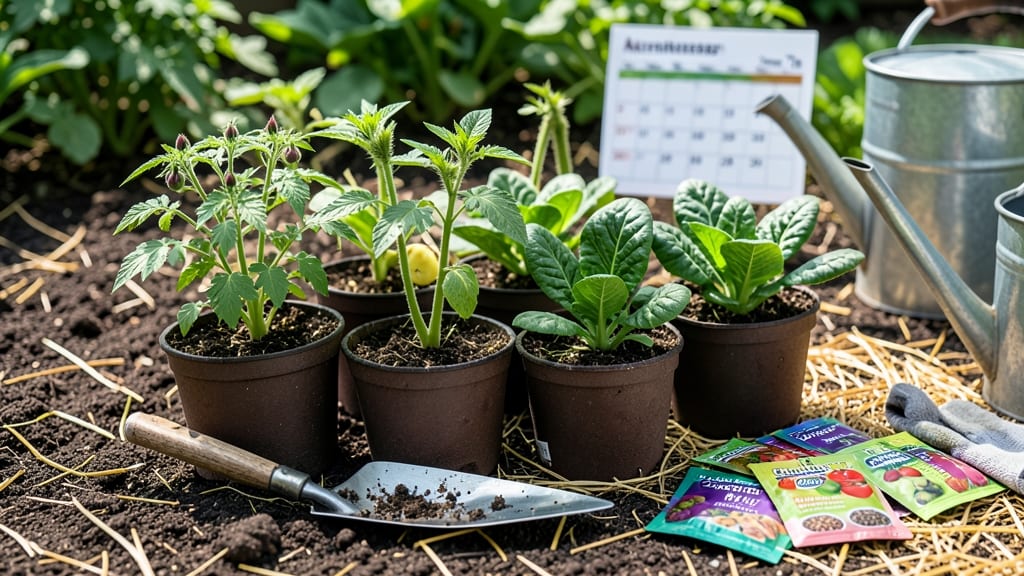
Planting a garden in Arkansas at the right time means the difference between fast, bountiful harvests and struggling with frost or heat stress.
Arkansas gardeners know timing is everything—plant too early and risk frost, too late and miss peak harvests. But with the state’s unique microclimates and USDA zones (6b-8a), knowing exactly when to plant can mean the difference between a thriving garden and a disappointing one.
Whether you’re growing tomatoes in the Delta or herbs in the Ozarks, the key is aligning your schedule with soil temperatures, last frost dates, and the fastest-growing varieties for your zone.
Below, I break down the best months for cool-season and warm-season crops, how to adjust for Arkansas’ regional differences, and the top 5 quickest harvests to keep your garden productive all year.
Arkansas planting calendar by USDA Zone (6b, 7a, 7b, 8a) with exact dates
Arkansas spans USDA zones 6b through 8a, creating distinct planting windows from the cooler Ouachita Mountains (Zone 6b) to the warmer Arkansas River Valley (Zone 8a). These zone differences mean your last frost date could vary by 3+ weeks, so timing is critical.
Below, I’ve mapped out the exact planting windows for cool-season and warm-season crops, based on 30-year climate averages from the USDA and Arkansas Cooperative Extension Service.
For Zone 6b (North Arkansas), the average last frost date is March 15, while Zone 8a (South Arkansas) typically sees its last frost by March 1. This means gardeners in Zone 8a can plant warm-season crops like tomatoes 3 weeks earlier than their northern counterparts.
Always check your local frost-free date—it’s the true starting line for your garden.
Soil temperature matters just as much as air temperature. Most vegetables need soil at 60°F+ to germinate properly, while cool-season crops like lettuce can handle 45°F+ soil.
Use a soil thermometer (just $15 at garden centers) to confirm readiness—especially for warm-season staples like peppers and okra, which won’t thrive in cold soil.
For cool-season crops (think leafy greens, peas, and broccoli), you can start seeds 6-8 weeks before your last frost date. In Zone 6b, that means mid-January sowing, while Zone 8a gardeners can begin as early as mid-December.
Pro tip: Use row covers to extend your season by 2-3 weeks in cooler zones.
Warm-season crops like tomatoes, peppers, and squash need to wait until after your last frost date AND when soil temps hit 60°F+. In Zone 7a, that’s typically late March to early April, but in Zone 8a, you can plant as early as late February.
For a longer harvest window, consider succession planting every 2 weeks for crops like bush beans and lettuce.
Don’t forget about fall planting! Many cool-season crops thrive in autumn, especially in Zone 8a, where you can plant until early November. In Zone 6b, aim to finish by mid-September to avoid early frosts. Kale, spinach, and carrots
Best months to plant specific vegetables in Arkansas (plus fastest-growing varieties)
Arkansas gardeners have a short but sweet growing season, so choosing the right planting months for your vegetables is key. Cool-season crops like lettuce and peas thrive in early spring and fall, while warm-season favorites such as tomatoes and peppers need the heat of summer.
Timing these correctly ensures you avoid frost damage and maximize your harvest.
For fastest growth, focus on quick-maturing varieties—especially in Arkansas’s shorter season. Some varieties mature in as little as 25 days, giving you multiple harvests before cold weather sets in.
Whether you're planting in Zone 7b or Zone 8a, these tips will help you plan like a pro.
- Cool-Season Crops: Plant broccoli, spinach, and peas in February-March (or August-September for fall). Fastest variety: Radishes (25 days).
- Warm-Season Crops: Start tomatoes, peppers, and beans after last frost (April). Fastest variety: Bush beans (50 days).
- Fall Extensions: Plant kale, carrots, and lettuce in July-August for a winter harvest. Fastest variety: Bok choy (30 days).
- Succession Planting: Sow lettuce and radishes every 2 weeks for continuous harvests. Fastest variety: Cherry Belle radishes (25 days).
- Soil Prep: Amend soil with compost in fall or early spring for optimal nutrient uptake. Aim for 60°F soil temp for warm-season crops.
In Arkansas, cool-season vegetables like lettuce, spinach, and peas should go into the ground as soon as the soil is workable—usually February or March. These crops tolerate cooler temperatures and can even handle light frosts.
For fastest harvests, opt for radishes (like 'Cherry Belle'), which mature in just 25 days—perfect for impatient gardeners!
Once the last frost date passes (typically mid-April in most of Arkansas), it’s time for warm-season crops. Tomatoes, peppers, and beans thrive in the heat, so plant them after soil temperatures reach 60°F or higher. Bush beans like 'Blue Lake' are a great choice, maturing in just 50 days—giving you a quick harvest before summer’s end.
Don’t forget about fall planting! Arkansas’s mild winters allow for a second growing season. Kale, carrots, and lettuce planted in July or August can produce well into November or December. Bok choy is another speedy option, ready to harvest in just 30 days—ideal for late-season plantings.
For continuous harvests, use succession planting. Sow lettuce and radishes every 2 weeks throughout the season. This ensures you always have fresh produce ready to pick. Just remember: water deeply and mulch to keep soil moist and cool for optimal growth.
With these timing tips and fast-maturing varieties, you’ll enjoy a bountiful Arkansas garden from spring through fall—no wasted time or missed harvests! 🌱