
Planting
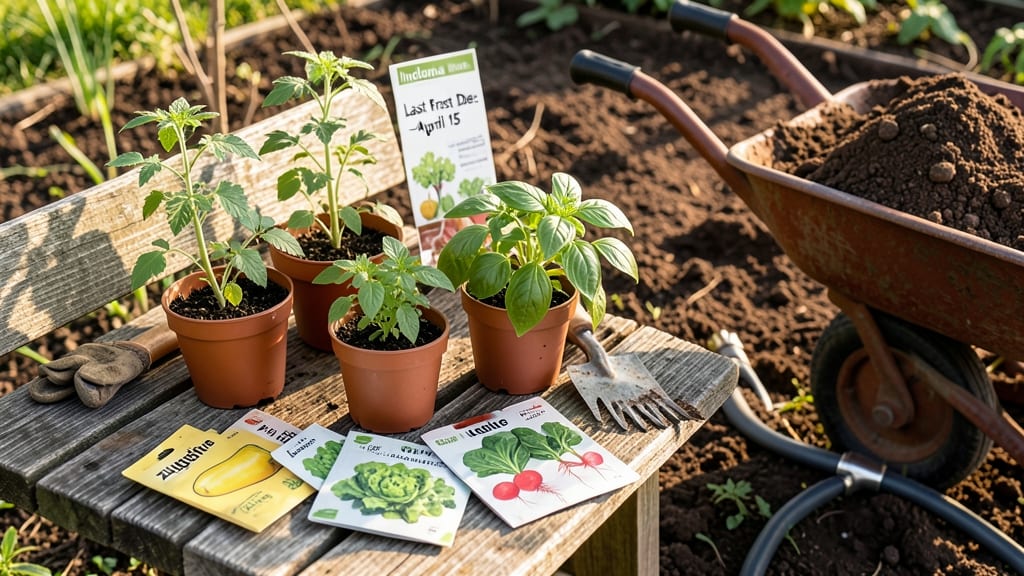
Planting a garden in Indiana at the right time means the difference between a bountiful harvest and a sad, frost-nipped failure — and the optimal windows shift dramatically between Zone 5 and Zone 6.
Indiana’s unpredictable frost dates can turn gardening dreams into early disappointments—unless you know the exact timing for planting in Zones 5 and 6.
I’ve seen tomatoes wilt overnight after a late April freeze, and I’ve watched spinach bolt in July heat because the planting window was missed by just a few weeks.
Whether you’re sowing seeds in raised beds or transplanting seedlings, the key is understanding your local frost dates, soil temperature thresholds, and how microclimates (like urban heat islands) can push your growing season earlier or later.
This guide breaks down the best months to plant everything from cool-season crops like lettuce to heat-lovers like peppers, so you can avoid common mistakes and maximize your garden’s potential.
You’ll discover how to use frost calculators, adjust for late frosts, and even extend your season with row covers—plus a month-by-month planting schedule tailored to Indiana’s climate. Let’s get your garden off to the right start!
Indiana’s frost dates & soil temperature guide for planting by Zone 5 & 6
Indiana’s gardening success hinges on understanding last average frost dates and soil temperature thresholds, which vary dramatically between Zone 5 (northern Indiana) and Zone 6 (southern Indiana).
While Zone 6 gardeners might celebrate April 15 as a safe planting date, Zone 5 growers often face late-May frosts that can devastate tender seedlings. These differences mean your planting timeline could shift by 3-4 weeks depending on your location.
Soil temperature matters just as much as air temperature—peas thrive at 40°F, while tomatoes need 60°F+ to germinate. A soil thermometer is your best friend here, as Indiana’s spring warming can be unpredictable.
For example, March might feel warm, but soil temperatures often linger below 50°F until mid-April, delaying planting for heat-loving crops like cucumbers or squash.
Microclimates further complicate timing. Urban areas like Indianapolis (Zone 6a) often warm 1-2 weeks earlier than rural Zone 5b farms due to the urban heat island effect. Meanwhile, elevated areas (like Brown County) can experience earlier frosts than valley regions.
Using row covers, cold frames, or raised beds can extend your season by 2-4 weeks in both zones.
Here’s the critical comparison: Zone 5 gardeners should wait until May 1 for warm-season crops, while Zone 6 can plant April 15. However, cool-season crops like spinach or kale can go in as early as March 15 in both zones, provided soil is workable.
The key is matching your planting window to both frost risk and soil warmth.