
Planting
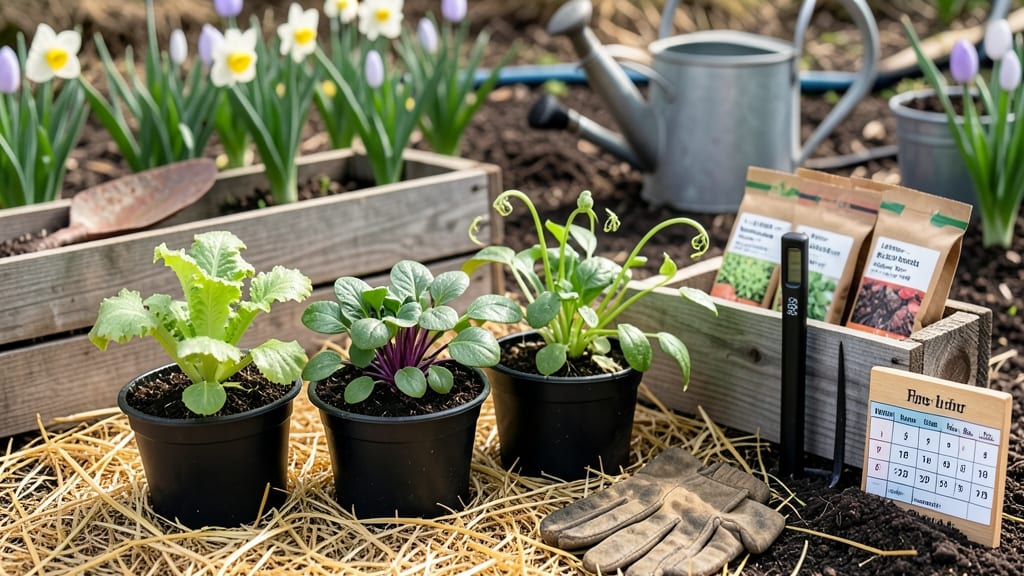
Planting your garden in Ohio at the right time means the difference between a bumper crop and a sad, frost-nipped disappointment.
Ohio’s unpredictable spring weather can turn a gardener’s excitement into frustration—planting too early risks frost damage, while waiting too long shortens the growing season. Timing is everything, and knowing your county’s last-frost dates is the key to a thriving garden.
Whether you’re sowing cool-season 🌱 General Garden Plants like lettuce in early spring or warm-season favorites like tomatoes after the last frost, getting it right means fewer second-guesses and more harvests.
The average last frost in Ohio’s 6a-6b zones falls around April 15, but regional differences can shift that window by weeks.
Below, I’ll break down when to plant by crop type, how to adjust for Ohio’s quirks, and even which counties have the earliest (or latest) frost-free dates. No more guessing—just perfect timing for your garden.
Ohio’s last-frost dates by region: when to plant cool-season vs. warm-season crops
Ohio’s diverse geography means last-frost dates can vary by up to 3 weeks between regions. Whether you’re in snowy Northeast Ohio or warmer Southwest Ohio, knowing your average frost-free date determines whether your tomatoes or lettuce will thrive.
Let’s break down Ohio’s four key regions and when to plant your favorite crops.
For cool-season crops like spinach, peas, and broccoli, you can start 4-6 weeks before your last frost date. Meanwhile, warm-season crops such as tomatoes, peppers, and beans need to wait until after the frost risk has passed.
Urban areas often experience microclimates with earlier frost-free dates due to heat retention.
In Northeast Ohio, where last frosts often hit May 5, gardeners should wait until mid-May to plant tomatoes and peppers. However, cool-season crops like kale and carrots can start as early as March 15. The region’s shorter growing season means quick-maturing varieties are ideal.
For Northwest Ohio, with an average last frost of April 25, you can plant warm-season crops by mid-April if you use row covers or greenhouses. This region benefits from warmer lake-effect weather, making it perfect for early tomatoes and corn.
Gardeners in Southeast Ohio face earlier spring warmth but also higher elevation challenges. With last frosts around April 15, warm-season crops can go in by early April, but mountain valleys may experience late frosts into May. Always monitor local forecasts and adjust planting dates accordingly.
If you’re in Southwest Ohio, you’re in luck! The earliest last-frost date in the state—April 10—lets you plant warm-season crops as soon as late March. This region is ideal for peppers, eggplants, and squash, which thrive in the warmer microclimate.
Remember, these dates are averages. Always check local weather reports and consider microclimates—like urban heat islands or south-facing slopes—to fine-tune your planting schedule. A frost cloth or row cover can extend your growing season by 2-3 weeks in colder regions.
For fall planting, aim to sow cool-season crops
How to adjust planting dates for Ohio’s unpredictable weather patterns
Ohio’s variable climate means last-frost dates can shift by weeks—sometimes even months—from year to year. A late April frost in northeast Ohio can wipe out tender seedlings, while southern counties might see frost-free conditions by early April.
The key is flexibility: adjusting planting windows to match real-time conditions rather than relying on averages.
Start by checking Ohio State University Extension’s frost-free date calculator for your specific county. This tool accounts for local microclimates, like urban heat islands or lake-effect cooling near Lake Erie.
For example, Lucas County (Toledo) often sees its last frost by April 15, while Athens County (southeast Ohio) may wait until May 1. Use these dates as a starting point, not a rule.
- 1 Use frost-free calculators like OSU’s or Almanac’s for your county’s 3-year average last frost date.
- 2 Hardening off seedlings 7–10 days before transplanting by exposing them to gradual outdoor conditions (start with 1 hour/day).
- 3 Extend the season with row covers or cold frames to plant 4–6 weeks earlier for warm-season crops.
- 4 Choose cold-hardy varieties like ‘Early Girl’ tomatoes or ‘Sugar Snap’ peas for earlier harvests.
- 5 Monitor soil temps—most vegetables need 60°F+ soil to thrive, even if air temps are warm.
For cool-season crops like lettuce or spinach, plant 4–6 weeks before your average last frost date. These plants tolerate light frosts (28°F) and can even improve in flavor after a light freeze.
Use straw mulch (3–4 inches) to protect seedlings from late frosts, which can still occur in May in northern Ohio.
Warm-season crops—tomatoes, peppers, and cucumbers—demand patience. Wait until soil temps reach 60°F (use a soil thermometer) and nighttime temps stay above 50°F. If your county’s last frost is April 15 but soil stays cold, consider starting seeds indoors 6–8 weeks earlier.
For example, ‘Early Girl’ tomatoes can handle 50°F soil temps, giving you a head start.
Don’t forget fall planting! Ohio’s first frost typically arrives between October 15 (south) and November 1 (north). Plant cool-season crops like kale, radishes, and carrots 8–10 weeks before your first frost for a late harvest.
Use row covers to shield seedlings from early frosts, extending your growing season by 3–4 weeks.
When in doubt, consult local gardeners or check Ohio’s Mesonet for real-time weather updates. Adjusting planting dates isn’t about perfection—it’s about working with Ohio’s mood swings to keep your garden thriving, no matter what Mother Nature throws your way. 🌱