
Planting
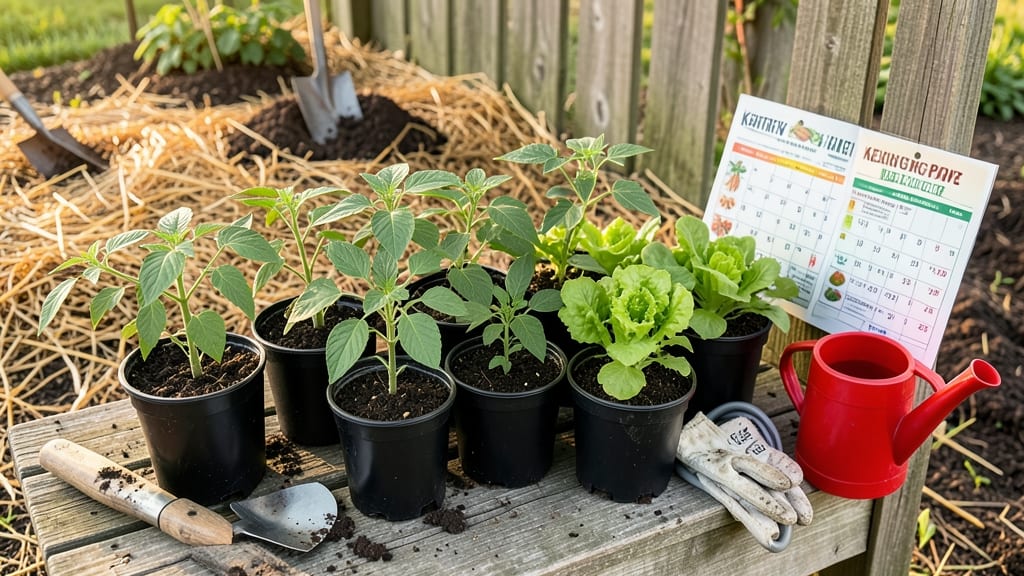
Planting a garden in Kentucky at the right time means the difference between a harvest that feeds your family and one that flops before summer even arrives.
Kentucky’s mild winters and humid summers create a gardener’s paradise—but planting at the wrong time can mean wilted dreams before your first harvest. Get the timing right in USDA Zones 6b-7a, and you’ll enjoy lush vegetables, vibrant flowers, and bountiful fruits all season long.
Cool-season crops like lettuce and broccoli need to hit the soil 6-8 weeks before your last frost date, while tomatoes and peppers can wait until the ground warms to 60°F or higher. Miss these windows, and you’ll end up with leggy seedlings or stunted growth.
In this guide, I’ll break down the best months to plant in Kentucky, adjust for microclimates, and share pro tips to extend your growing season—so you can maximize every square foot of your 🌱 garden.
Best planting months in Kentucky by crop type (zone 6b-7a guide)
Kentucky’s USDA Zones 6b-7a offer gardeners a long growing season—typically from late March to early November. But timing is everything: plant too early, and frost will nip seedlings in the bud.
Too late, and heat stress slows growth. The key? Matching your crop type to Kentucky’s average last frost (March 15–April 15) and first frost (October 15–November 15).
Cool-season crops like lettuce and spinach thrive when soil temps hover around 40–50°F, while warm-season darlings such as tomatoes and peppers need 60–70°F to sprout. Below, I’ve broken down the ideal planting windows for Kentucky’s most popular vegetables, flowers, and herbs—plus pro tips to beat the clock.
For cool-season crops, start seeds indoors in February for a head start. Transplant seedlings outdoors after the last frost date (around April 15 in most of Kentucky). If you miss spring, try a fall planting in August–September—just ensure seedlings establish before first frost.
Warm-season lovers should wait until soil temps hit 60°F (usually mid-April to May). Use row covers if nighttime temps dip below 50°F to protect tender starts. For peppers and eggplants, which are extra finicky, wait until late May to avoid stunted growth.
Kentucky’s humid summers mean herbs like basil and cilantro bolt quickly.
Plant basil in late spring (after May 15) for a longer harvest, and sow cilantro in early fall to avoid heat stress. Rosemary and thyme, however, thrive in summer’s warmth—just plant them in well-draining soil to prevent root rot.
Flowers add color and attract pollinators, but timing varies. Perennials like coneflowers can handle Kentucky’s winters, so plant them in early spring or fall.
For annuals, stagger plantings every 2–3 weeks from April to July to enjoy blooms all season. Marigolds, for instance, planted in May, will bloom until first frost.
Kentucky’s diverse geography means northern regions like Paducah (Zone 6b) often experience earlier frosts than southern areas like Bowling Green (Zone 7a). Even within 10 miles, urban heat islands can delay spring planting by 1-2 weeks compared to rural farms. Microclimates also affect fall planting. While Lexington might safely sow spinach in early October, London gardeners should wait until mid-October to avoid unpredictable cold snaps. These variations make local frost data essential—check Kentucky Mesonet for real-time updates. Urban gardeners face additional challenges like limited sunlight in dense neighborhoods or soil compaction from heavy foot traffic. Meanwhile, rural areas often benefit from warmer microclimates near south-facing fences or cooler pockets in wooded areas. ⚠️ callout-warning ⚠️
How to adjust planting times for Kentucky’s microclimates (avoid common mistakes)
Pro Tip: Adjust planting dates by 1 week per 500 ft elevation or 10°F temperature difference from your local average.
To adapt, use local frost-free dates as your baseline but adjust by ±1 week based on your microclimate. For example, cool-season crops like kale can go in 2 weeks earlier in Louisville’s urban heat zones than in Pikeville’s valleys.
Extend your growing season by 3-4 weeks in cooler areas with row covers or cold frames. In warmer microclimates, shade cloth can protect heat-sensitive greens during summer’s 90°F+ days. Always monitor 7-day forecasts before planting frost-tender crops.
For accurate adjustments, track your garden’s performance for 3 years. Note when first frost hits, how soil warms in spring, and which microclimates thrive. Share your data with UK Extension to help refine Kentucky’s planting maps.