
Planting
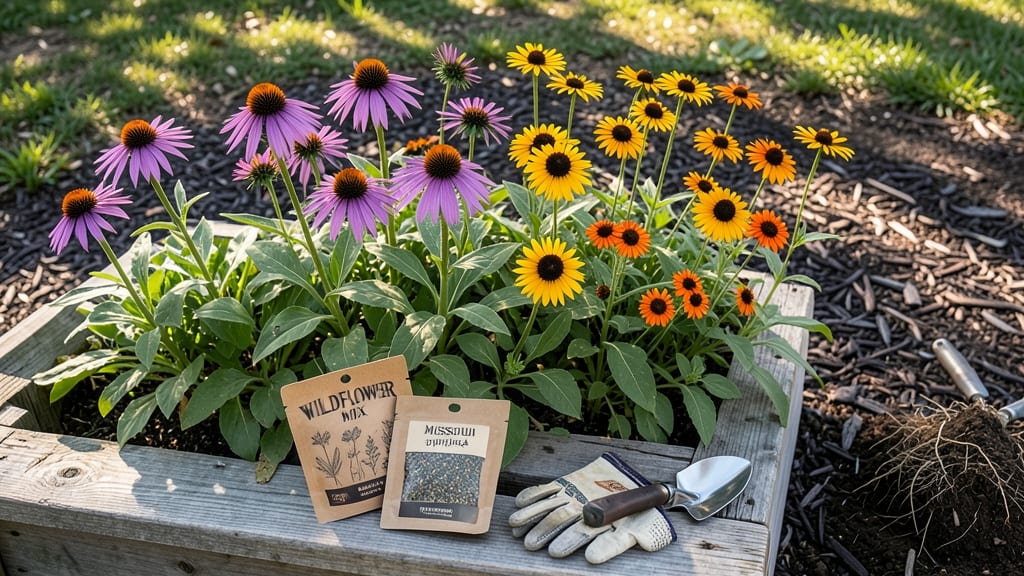
Planting a garden in Missouri after the last frost date — usually mid-March to early April — is your best shot at a bountiful harvest before summer’s heat sets in.
Missouri’s unpredictable spring weather can turn a gardener’s best-laid plans into a guessing game—but timing your plantings correctly means the difference between a thriving harvest and a sad, wilted disappointment. One late frost in April, and your tomatoes won’t even think about setting fruit.
Whether you’re sowing cool-season crops like spinach in early spring or waiting for the soil to warm up for heat-lovers like peppers, knowing your zone (5b-7a) and local frost dates is the key to success.
In St. Louis, for example, you’ve got until May 15 to get tomatoes in the ground, while Kansas City gardeners can push it a week later.
Below, I’ll break down the exact planting windows for your region, plus pro tips to beat Missouri’s weather quirks—so you can stop second-guessing and start growing.
Missouri’s frost-free planting zones: when to plant by region
Missouri spans USDA Hardiness Zones 5b through 7a, meaning gardeners must account for 100+ days of frost-free growing season—but the timing varies wildly between northern Ozarks and southern bootheel.
In Zone 5b (northern MO), last frosts average April 15, while Zone 7a (southern MO) sees them as early as March 15. This regional divide forces careful planning, especially for heat-loving tomatoes or cold-hardy kale.
To simplify, I’ve broken Missouri into three key regions—St. Louis (Zone 6a/7a), Kansas City (Zone 5b/6a), and Columbia (Zone 6a)—each with 10-14 day differences in planting windows.
The average first frost arrives November 1-15, but microclimates near rivers or urban areas can delay it by 2 weeks. Use these frost-free dates as your planting compass.
Pro Tip: Missouri’s spring frost risk peaks in April—so always have row covers ready for peppers and eggplants, which can’t tolerate temps below 50°F. For cool-season crops like spinach, plant 6 weeks before last frost to ensure harvests before summer heat sets in.
| Region & Zone | Avg. Last Frost | Cool-Season Planting Window | Warm-Season Planting Window | Fall Planting Window | Key Adjustments |
|---|---|---|---|---|---|
| Northern MO (Zone 5b) Examples: St. Joseph, Kirksville |
April 15–April 30 | March 1–April 15 Crops: Lettuce, Peas, Spinach |
May 15–June 1 Crops: Tomatoes, Peppers, Cucumbers |
August 1–September 15 Crops: Kale, Radishes, Broccoli |
Wait for soil 60°F+; use black plastic mulch to warm beds. |
| Central MO (Zone 6a) Examples: Columbia, Jefferson City |
April 1–April 15 | February 15–March 31 Crops: Onions, Carrots, Cabbage |
April 20–May 10 Crops: Basil, Okra, Sweet Potatoes |
July 15–August 30 Crops: Swiss Chard, Turnips, Lettuce |
Start warm-season seeds indoors by March 1; monitor Missouri Mesonet for late frosts. |
| Southern MO (Zone 7a) Examples: St. Louis, Cape Girardeau |
March 15–March 31 | January 1–February 28 Crops: Broccoli, Brussels Sprouts, Peas |
March 20–April 15 Crops: Eggplants, Peppers, Tomatoes |
June 15–July 31 Crops: Spinach, Radishes, Lettuce |
Extend season with shade cloth in summer; fall crops thrive with drip irrigation. |
If you’re in St. Louis (Zone 7a), you can plant tomatoes as early as March 20—but Kansas City gardeners (Zone 5b) should wait until May 1 to avoid frost damage.
This 3-week gap highlights why Missouri gardeners rely on succession planting: Sow lettuce every 2 weeks from March to August to ensure continuous harvests, regardless of region.
For
Best planting schedule for Missouri’s top vegetables and flowers
Missouri gardeners know timing is everything—especially when unpredictable frosts can turn a lush garden into a sad memory. The key to success? Planting frost-sensitive crops after the last frost date (typically mid-April in most regions) and cold-hardy plants like lettuce and peas as early as late February.
Below is your month-by-month guide to maximize harvests from tomatoes to lavender.
For succession planting, focus on fast-growing crops like lettuce and radishes—sow every 2-3 weeks after the initial planting to ensure a continuous supply. Meanwhile, perennials like lavender thrive when planted in early spring or fall, giving roots time to establish before extreme heat or cold.
📅 Missouri Planting Calendar
- 🌱 February-March: Start cool-season crops (lettuce, peas, spinach) indoors or under row covers.
- 🌿 Mid-April: Plant tomatoes, peppers, and beans after last frost (soil temp ≥ 60°F).
- ☀️ May-June: Succession plant beans and cucumbers every 2 weeks for continuous harvests.
- 🌻 July-August: Plant fall crops (kale, carrots) and perennials like lavender for next year.
- 🍂 September: Direct-sow broccoli and cabbage for fall harvests before first frost.
⚠️ Frost Alert: Northern MO (e.g., St. Joseph) waits 2 weeks longer than southern MO (e.g., Springfield) for frost-sensitive plants.
Missouri’s two growing seasons—spring and fall—are your best bets for vegetables. Tomatoes and peppers, for example, need warm soil and won’t tolerate frost, so wait until after May 1 in most areas.
Meanwhile, lettuce and radishes can handle light frosts, making them ideal for early spring or late fall plantings.
For perennials like lavender, timing matters too. Plant in early spring (March-April) or fall (September-October) to avoid transplant shock during extreme heat. Mulch heavily after planting to retain moisture and suppress weeds—critical in Missouri’s hot, dry summers.
Pro tip: Use succession planting for bush beans and zucchini. Sow a new row every 2-3 weeks until mid-July to stretch harvests through October. This works especially well in Missouri’s short but intense growing season.
Don’t forget to monitor soil temperatures—a simple soil thermometer ($10 at garden centers) prevents costly mistakes. For tomatoes, aim for 65°F+ soil; for peppers, wait until 70°F+. If nights dip below 50°F, use frost blankets to protect young plants.