
Planting
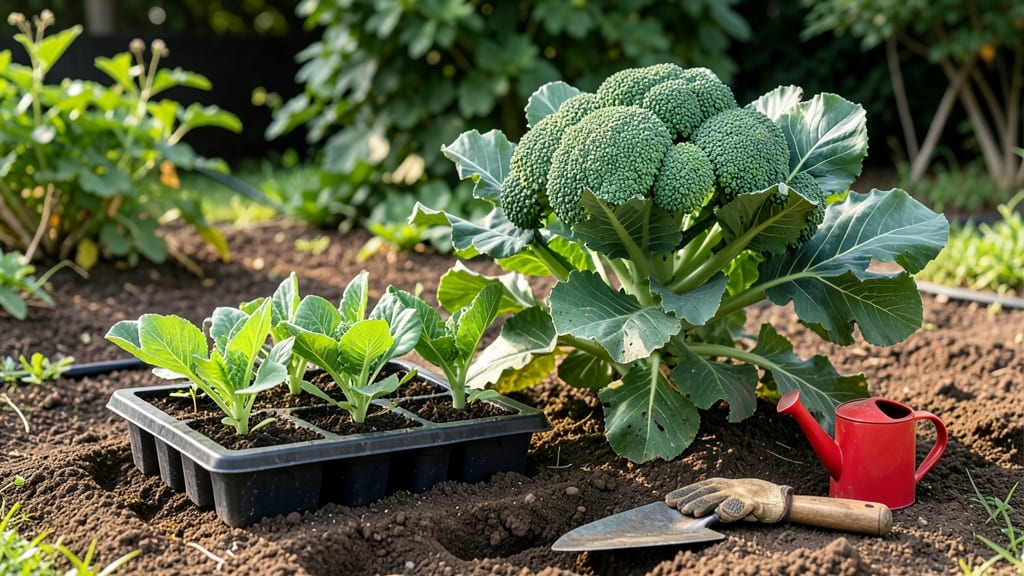
To plant a fall garden in Missouri, start between mid-August and early September for cool-season crops like kale and spinach — timing is everything when frost looms.
Missouri’s fall gardening season offers a second chance to grow fresh produce—if you plant at the right time. But with the state’s varied climate zones, timing your fall garden correctly can mean the difference between a bountiful harvest and a frost-killed crop.
In USDA zones 5b-6b, the key is working backward from your first frost date—typically late October in northern Missouri and early November in the south. Planting too late risks stunted growth, while starting too early can leave crops vulnerable to pests.
Below, I’ll break down the exact week-by-week planting schedule for Missouri’s top fall vegetables, plus pro tips to extend your harvest well into winter.
Missouri fall planting dates by hardiness zone (5a-7b)
Timing your fall garden in Missouri depends heavily on your USDA hardiness zone, as frost dates shift dramatically from northern 5a to southern 7b.
In colder zones like 5a, your planting window narrows to just 4-6 weeks before the first frost, while zone 7b gardeners enjoy an extra 3-4 weeks of growing time.
The key is planting cool-season crops like kale, spinach, and carrots when soil temperatures drop below 80°F but remain above 40°F for germination.
Missouri’s average first frost dates range from October 15 in northern zones to November 15 in southern regions. To maximize yields, I recommend planting leafy greens and root vegetables 4-6 weeks before your expected frost date.
For example, if your frost date is October 31, aim to plant by September 15 to ensure a harvest before winter sets in. Soil temperature is just as critical—most cool-season crops germinate best when soil is between 45°F and 75°F.
Here’s a quick breakdown of your zone-specific planting windows for popular fall crops. Use this as your guide to avoid frost damage while extending your harvest season:
For zone 5a, where frosts arrive earliest, focus on fast-maturing crops like radishes (25 days) or bush beans (50 days). In contrast, zone 7b gardeners can afford to plant broccoli or cabbage as late as October 1 and still harvest before frost.
Always check your local frost date averages—Missouri’s University Extension provides county-specific data that can adjust your planting timeline by 1-2 weeks.
Direct sowing is ideal for root crops like carrots and beets, as they hate transplanting. Start seeds in well-drained soil when daytime temperatures drop below 85°F. For transplants like broccoli or cabbage, purchase 6-week-old seedlings from local nurseries in early September.
Harden them off by exposing them to outdoor conditions for 3-5 days before planting to reduce transplant shock.
Soil preparation is non-negotiable in fall gardens. Amend your soil with compost or aged manure to improve drainage and fertility. Aim for a pH between 6.0 and 7.0—most cool-season crops thrive in slightly acidic to neutral soil.
If your soil is heavy clay, consider raised beds to prevent waterlogging, which can drown roots during Missouri’s unpredictable fall rains. Test your soil in early August to give yourself time to make adjustments before planting.
One of my favorite fall gardening hacks is succession
Best fall vegetables for Missouri gardens and their planting strategies
Missouri’s cool-season vegetables thrive when planted at the right time, offering fresh harvests well into winter. For maximum yield, focus on crops that tolerate light frosts and grow quickly—like kale, spinach, and radishes. These plants can handle Missouri’s USDA zones 5b-7b and even sweeten after a light frost!
I’ve ranked the top 8 fall vegetables for Missouri gardens based on yield potential, spacing needs, and succession planting strategies. Whether you’re a beginner or a seasoned gardener, these crops deliver reliable results with minimal fuss. Let’s dive into the best picks and their planting secrets.
For succession planting, stagger your sowing every 2 weeks to ensure a steady supply of fresh produce. For example, plant radishes every 10 days in August for a continuous harvest, while kale and spinach can be sown in batches to extend your harvest into December.
Missouri’s fall garden is all about working with the season’s advantages—cooler temps, fewer pests, and rich soil. By following these planting strategies, you’ll enjoy homegrown veggies long after summer’s heat has faded. Happy gardening! 🌱