
Planting
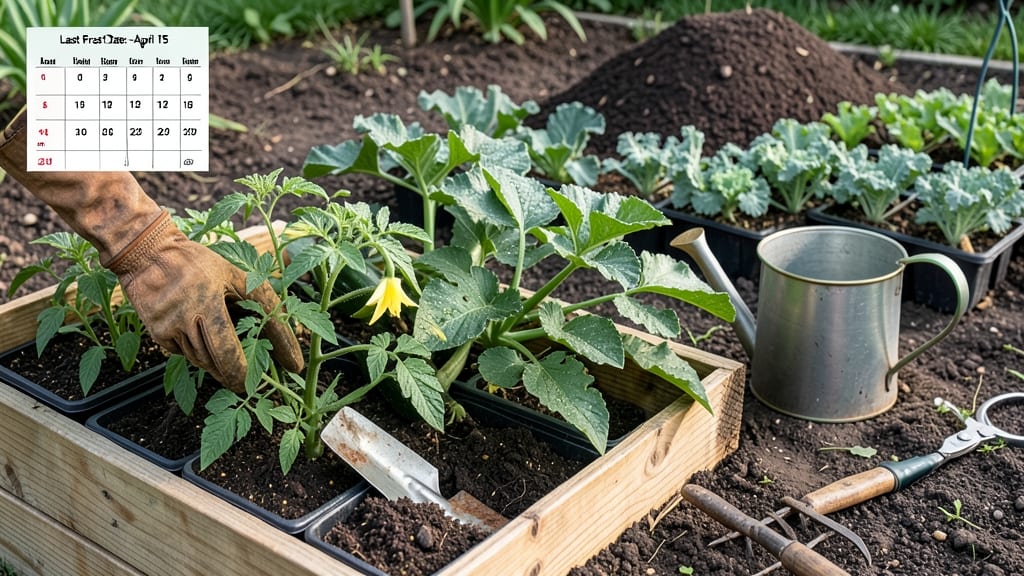
Planting a garden in Ohio at the right time means the difference between a bountiful harvest and a season of disappointment — and the clock starts ticking after your average last frost on April 15.
Ohio’s unpredictable spring weather can turn a gardener’s dream into a frustrating gamble unless you know the exact planting windows for your zone. Missing these deadlines means smaller yields, weaker plants, or even total crop failure.
With 170 frost-free days in most of the state, timing is everything: cool-season crops like lettuce and peas need to go in early, while tomatoes and peppers won’t thrive until the soil hits 60°F (15°C).
Here’s how to align your planting schedule with Ohio’s diverse microclimates — from northern zones that linger cold to southern pockets where summer arrives early.
Ohio planting zones & last frost dates by region (2024 guide)
Ohio spans USDA Hardiness Zones 5a through 6b, meaning temperatures vary dramatically from northeast to southwest. Knowing your exact zone helps you avoid late spring frosts that can wipe out tender seedlings or miss fall planting windows for cool-season crops.
Even within zones, microclimates—like urban heat islands or lakeside areas—can shift frost dates by 1-2 weeks.
For precise timing, check the National Oceanic and Atmospheric Administration (NOAA) frost maps or use the USDA Plant Hardiness Zone Map. Local extension offices also provide hyper-local data. Remember: Soil temperature matters more than air temperature—wait until soil reaches 60°F (15°C) for warm-season crops like tomatoes and peppers.
Here’s your Ohio planting zone breakdown, including average last spring frost dates and first fall frost timelines to plan your garden like a pro:
| Zone | Region | Avg Last Spring Frost | Avg First Fall Frost | Frost-Free Days | Key Planting Notes |
|---|---|---|---|---|---|
| 5a | Northeast Ohio (e.g., Cleveland, Akron) | April 25–May 5 | October 5–15 | 140–150 days | Short season; prioritize fast-maturing crops like bush beans, radishes, and kale. |
| 5b | Northwest Ohio (e.g., Toledo, Youngstown) | April 15–25 | October 10–20 | 150–160 days | Longer season; great for tomatoes, peppers, and sweet corn. |
| 6a | Central Ohio (e.g., Columbus, Dayton) | April 5–15 | October 15–25 | 160–170 days | Ideal for warm-season crops; extend season with row covers. |
| 6b | Southwest Ohio (e.g., Cincinnati, Lexington) | March 25–April 5 | October 25–November 5 | 180–190 days | Longest season; perfect for heat-lovers like okra and sweet potatoes. |
Use these dates as a starting point, but always monitor local forecasts. For example, Columbus (Zone 6a) might see its last frost on April 10 one year and May 1 the next.
To hedge your bets, plant cool-season crops like spinach 2–3 weeks before your average last frost and warm-season crops like peppers 2 weeks after.
For microclimate adjustments, note that:
- Urban areas (like downtown Cleveland) can be 2–3°F warmer than rural zones, delaying first fall frosts.
- Lakeside gardens (e.g., near Lake Erie) may experience later springs due to cooler lake breezes.
- South-facing slopes warm up faster in spring, while north-facing areas stay cooler longer.
Pro tip: Plant fast-growing radishes or lettuce as frost sentinels—if they survive overnight temps, your tomato seedlings are likely safe to transplant. Pair this with a garden journal to track your local frost dates year after year for personalized planting windows.
Ohio’s fall planting window typically runs from August 15 to September 15, but Zone 5a gardeners should aim for late July to early August to harvest before frost.
For warm-season crops like basil, start seeds indoors 6–8 weeks before your last frost—in Zone 6b, that’s mid-February.
Don’t forget: Soil temperature is your true guide. Use a soil thermometer to confirm when to
Best crops to plant by month in Ohio (with 3-Week planting windows)
Ohio’s 170 frost-free days create a perfect window for growing everything from cold-hardy kale to heat-loving tomatoes. The key? Planting within 3-week windows to match your crop’s needs with Ohio’s April 15 last frost and October 15 first frost.
Miss these timelines, and you risk stunted growth or wasted seeds.
I’ve broken down the best crops for each month, including succession planting tips to keep your harvests rolling. For example, lettuce and peas thrive in early spring, while tomatoes and peppers need warm soil—so don’t rush them!
Even in Zone 6a, your microclimate (urban heat islands, lake effects) can shift planting by 1-2 weeks.
- March: Start cool-season crops indoors—spinach, broccoli, onions. Harden off kale and peas for early April planting.
- April: Plant potatoes, carrots, and radishes as soon as soil reaches 50°F (10°C). Wait for tomato starts until after last frost.
- May: Warm-season tomatoes, peppers, and cucumbers go in once soil hits 60°F (15°C). Succession plant lettuce and beans every 2 weeks.
- June: Direct-sow squash, corn, and beans. Start fall crops like kale and spinach indoors for late August transplanting.
- July-August: Plant cool-season crops (e.g., radishes, arugula) for fall harvests. Avoid heat-sensitive leafy greens without shade.
- September: Last chance for broccoli, cabbage, and Brussels sprouts. Harvest warm-season crops before frost.
For succession planting, I recommend staggering lettuce, beans, and carrots every 2 weeks in spring and fall. This ensures a continuous harvest instead of one big yield.
For example, plant bush beans in early May, then again in late May and early June—each batch will mature just as the previous one is ready to pick.
Don’t overlook herbs like cilantro and dill, which bolt in summer heat. Sow them in early spring or late summer for the best flavor. Even basil, a heat lover, benefits from a shade cloth during Ohio’s 90°F+ days to prevent wilting.
Pro tip: Use row covers to extend your spring planting window by 2-3 weeks. They protect tomato and pepper starts from late frosts while warming the soil faster. Just remove covers when flowers appear to prevent pollination issues.
By following these 3-week windows, you’ll maximize Ohio’s growing season—even if Mother Nature throws a curveball. Start with cold-hardy crops in spring, then transition to heat-lovers as temps rise, and end with fall favorites like kale and carrots.