
Planting
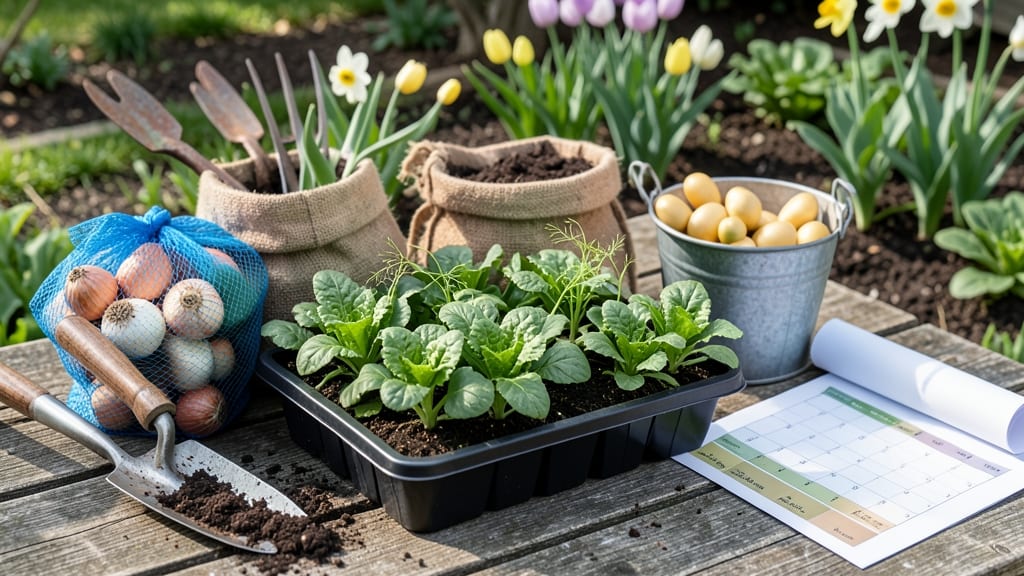
Planting a garden in Pennsylvania at the right time means the difference between a thriving harvest and wasted effort, especially with its diverse USDA zones 5a through 7b.
If you’ve ever rushed to plant your 🌱 spring peas only to watch them freeze, or waited too long to sow tomatoes and missed the growing season, you know timing is everything. Pennsylvania’s climate shifts dramatically from the cool Appalachians to the warmer Southeast, so a one-size-fits-all approach won’t work.
This guide breaks down the exact deadlines for cool-season crops (like spinach and kale) and warm-season favorites (tomatoes, peppers), tailored to your hardiness zone. We’ll also cover how microclimates—like urban heat islands or mountain valleys—can shift your planting window by weeks.
By the end, you’ll know not just when to plant, but how to adjust for Pennsylvania’s quirks—so you can finally get that bountiful harvest you’ve been dreaming of.
Pennsylvania planting deadlines by hardiness zone (5a-7b): exact dates for cool and warm season crops
Pennsylvania spans USDA hardiness zones 5a through 7b, creating dramatic differences in planting windows. In zone 5a (Erie, Scranton), gardeners face earlier last frosts (April 15-May 1), while zone 7b (Pittsburgh, Harrisburg) enjoys later starts (March 15-April 1).
These variations mean your spinach timing in Lancaster differs from tomato planting in Philadelphia.
Understanding these frost dates is critical: cool-season crops like kale and peas thrive when planted 4-6 weeks before last frost, while warm-season crops like peppers need soil temperatures above 60°F—typically 2-4 weeks after last frost. Let's break down the exact windows for your zone.
| Zone | Last Frost Date | First Frost Date | Cool-Season Start | Warm-Season Start |
|---|---|---|---|---|
| 5a (Erie, Scranton) | April 15-May 1 | October 15-20 | March 15-April 1 | May 15-June 1 |
| 5b (State College) | April 20-April 25 | October 10-15 | March 20-April 5 | May 1-June 1 |
| 6a (Harrisburg) | April 25-May 5 | October 5-10 | March 25-April 10 | April 25-May 15 |
| 6b (Lancaster) | April 30-May 10 | October 5-10 | March 30-April 15 | April 25-May 15 |
| 7a (Pittsburgh) | May 1-May 15 | October 10-15 | March 15-April 1 | April 15-May 1 |
| 7b (Philadelphia) | May 10-May 20 | October 15-20 | March 10-April 1 | April 1-May 1 |
For cool-season crops, start seeds indoors 6-8 weeks before last frost—this means February for zone 7b and March for zone 5a. Leafy greens like spinach and lettuce can handle light frosts, but broccoli and cauliflower need consistent 50-60°F soil.
I recommend using row covers in early spring to extend the season by 2-3 weeks.
Warm-season crops like tomatoes and peppers demand patience—wait until soil temperatures reach 60°F (use a soil thermometer to check). In zone 5a, this often means late May, while zone 7b gardeners can plant as early as April 15. For fast-maturing varieties like 'Early Girl' tomatoes, I
How to adjust planting times for Pennsylvania’s microclimates: urban heat islands, mountain valleys, and river zones
Pennsylvania’s geography creates microclimates that can shift planting times by weeks. In Pittsburgh’s urban heat islands, concrete absorbs heat, letting you plant tomatoes and peppers 2-3 weeks earlier than rural areas.
Meanwhile, State College’s mountain valleys often see frost lingering until mid-May, delaying warm-season crops by 10 days or more. River zones like Philadelphia’s Schuylkill Valley enjoy extended growing seasons thanks to water’s heat retention.
These variations mean one-size-fits-all planting charts won’t work. I’ve gardened in all three zones and learned to adjust based on local frost patterns, soil warming rates, and even wind exposure.
For example, my Philadelphia raised beds hit 60°F soil temperature by April 15, while my friend’s mountain garden in Lancaster waits until May 10 for the same warmth.
Here’s how to fine-tune your planting schedule based on Pennsylvania’s three key microclimates:
- 1 Urban Heat Islands (Pittsburgh, Philadelphia): Plant warm-season crops 2-3 weeks earlier than zone guidelines. Use row covers for cool nights.
- 2 Mountain Valleys (State College, Scranton): Delay planting until soil reaches 55°F (test with a soil thermometer). Start cool-season crops in late March instead of early April.
- 3 River Zones (Schuylkill Valley, Allegheny River): Extend seasons by 10-14 days on both ends. Plant fall crops like kale until October 15 instead of September 30.
- 4 Wind Exposure: Sheltered areas (like Philadelphia’s Rittenhouse Square) can plant 1 week earlier than windy spots. Use windbreaks made of corn stalks or burlap.
For Pittsburgh’s urban gardeners, I recommend starting pepper seeds indoors by March 15 (not April 1) to take advantage of the city’s heat retention. In my State College garden, I’ve had to wait until May 20 to transplant tomato seedlings after late frosts in 2022 and 2023.
Meanwhile, my Philadelphia riverfront plot produces zucchini until October 10—two weeks longer than inland gardens.
Pro tip: Use frost-free date calculators like the National Weather Service’s Climate Tool to get hyper-local data. For example, Philadelphia’s average last frost is April 15, but my river-adjacent beds often stay frost-free until April 22. This 7-day difference matters for heat-loving crops like eggplant and okra.
Adjust your planting schedule by observing local landmarks. When redbud trees bloom in your area (usually mid-April), it’s time to plant cool-season crops like lettuce and radishes.
For warm-season starts, wait until dogwoods flower (around May 1)—a natural cue that soil has warmed enough for tomatoes and peppers.
Remember, microclimates change yearly. Keep a gardening journal to track your local frost dates and soil warming patterns. After 3 years, you’ll have a customized planting calendar that beats any generic zone guide.
The key is paying attention to your specific corner of Pennsylvania—whether it’s a concrete jungle, a mountain valley, or a river’s edge. 🌱☀️🌿