
Planting
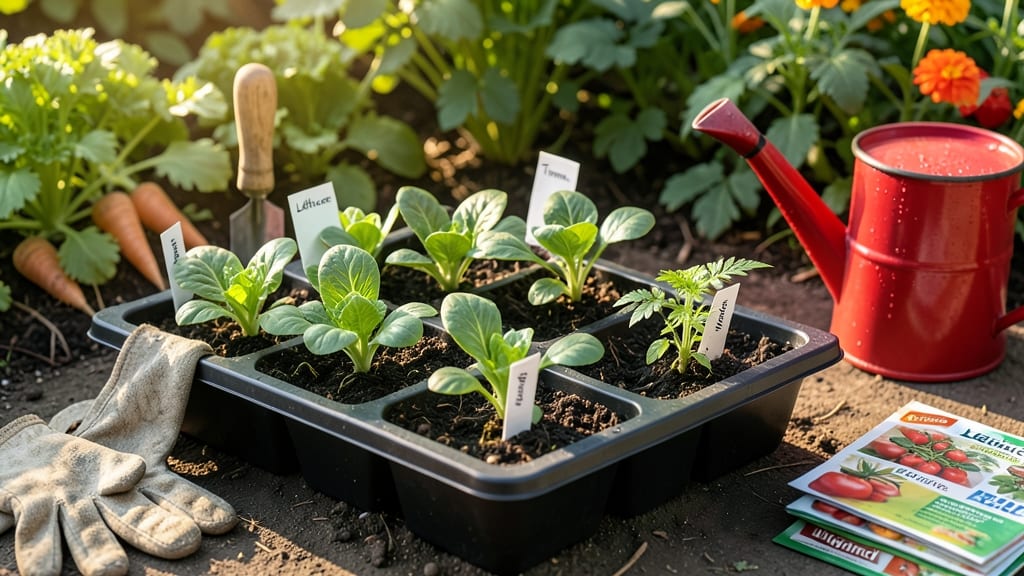
To plant a garden at the right time means catching the sweet spot between frost and heat—miss it, and you’re either shivering seedlings or wilting vines.
Timing your garden planting by hardiness zone and plant type can mean the difference between a bountiful harvest and wasted effort. Whether you’re in Zone 5 or Zone 9, the wrong week can leave you scrambling to replant or watching your crops bolt in the heat.
Here’s the game-changer: a precise planting schedule tailored to your zone, seasonal transitions, and whether you’re growing cool-season greens or warm-season tomatoes. We’ll break down the exact dates you need, plus how to adjust for local microclimates—because not every April 15th is created equal.
By the end, you’ll know when to start seeds indoors, when to transplant, and even when to plant a second crop for a fall harvest. No more guessing—just a foolproof plan for your garden’s best start.
Best planting dates by USDA hardiness Zone and seasonal type
Getting your planting schedule right depends on two key factors: your USDA hardiness zone and whether your plants thrive in cool-season or warm-season conditions.
In Zone 5, for example, you’ll plant cool-season crops like kale and spinach in early spring, while tomatoes and peppers wait until after the last frost.
Meanwhile, in Zone 9, warm-season crops like okra can go in as early as February, while cool-season crops like broccoli prefer fall planting to avoid summer heat.
Every zone has a last frost date and first frost date that act as your planting anchors. For instance, Zone 7 typically has its last frost around March 15, while Zone 10 rarely experiences frost at all.
Knowing these dates helps you time your direct sowing and transplanting for maximum success. Below is a breakdown of ideal planting windows for both cool-season and warm-season crops across major USDA zones.
| USDA Zone | Cool-Season Crops (Spring/Fall) | Warm-Season Crops (Summer) | Last Frost Date | First Frost Date |
|---|---|---|---|---|
| Zone 3-4 | March 15 - April 30 (Spring) / August 1 - September 15 (Fall) | May 15 - June 1 (After soil reaches 60°F) | May 1 - May 15 | September 30 - October 15 |
| Zone 5-6 | April 1 - May 15 (Spring) / August 15 - September 30 (Fall) | May 1 - June 10 (After last frost) | April 15 - April 30 | October 15 - November 1 |
| Zone 7-8 | February 15 - March 31 (Spring) / August 1 - October 15 (Fall) | March 15 - April 30 (Soil 65°F+) | March 1 - March 15 | November 15 - December 1 |
| Zone 9-10 | October 1 - November 30 (Fall) / January 15 - February 15 (Winter) | February 1 - March 15 (Soil 70°F+) | None (or Dec 15 in Zone 9) | None (or Jan 1 in Zone 9) |
For cool-season crops like lettuce, carrots, and peas, aim to plant them 4-6 weeks before your last frost date. These plants tolerate cooler temperatures and can even handle light frosts.
In Zone 5, for example, I start my spinach seeds indoors in February and transplant them outdoors by April 15. In warmer zones like Zone 9, you can plant cool-season crops in fall to avoid summer heat stress.
Warm-season crops such as tomatoes, peppers, and cucumbers need warmer soil and consistent temperatures above 50°F. In Zone 6, I wait until May 1 to transplant my tomato seedlings, ensuring the soil has warmed to at least 60°F. In Zone 10, you can start planting warm-season crops as early as February, but be mindful of bolting in heat-sensitive varieties like basil.
Don’t forget about second planting windows! Many crops, like beans and squash, can be replanted in late summer for a fall harvest. In Zone 7, I often sow bush beans again in August to enjoy fresh pods before the first frost.
This strategy extends your harvest season and maximizes your garden’s productivity.
Regional adjustments are key. For instance, coastal areas in Zone 8 may have milder winters and longer growing seasons than inland zones. Meanwhile, high-elevation gardens in Zone 6 might experience later frost dates than their lower-elevation counterparts. Always check your local frost dates and adjust planting times accordingly.
Pro tip: Use a soil thermometer to confirm soil temperatures before planting warm-season crops. If your soil is still below 60°F, wait a few more weeks—root development will suffer in cooler soil.
In my Zone 5 garden, I’ve learned the hard way that planting tomatoes too early leads to stunted growth and poor fruiting.
Finally, keep a gardening journal to track your planting dates and outcomes. Over time, you’ll notice patterns—like how Zone 7 summers can be unpredictable
How to adjust planting times for your local microclimate
Your USDA hardiness zone gives you a starting point, but local microclimates can shift planting times by weeks—sometimes even months. I’ve learned that elevation, urban heat islands, and coastal breezes all play critical roles in fine-tuning your schedule.
For example, a mountain garden in Zone 6 might need to wait until June 1 for warm-season crops, while a valley garden just 20 miles away could plant the same crops by May 15. The key is understanding how your specific location deviates from the norm.
Don’t rely solely on frost dates—soil temperature is just as important. A 60°F soil reading triggers planting for warm-season veggies like tomatoes and peppers, while cool-season crops like lettuce and spinach thrive in 50°F soil.
I always use a soil thermometer to confirm readiness, especially in coastal areas where ocean breezes keep soil cooler longer. Even a 10°F difference in soil temperature can mean the difference between success and failure.
🌱 Adjust Planting Times by Microclimate
- 🏔️ Elevation: Add 1-2 weeks for every 1,000 ft above sea level. High-altitude gardens (e.g., Denver) often have shorter growing seasons due to cooler nights.
- 🏙️ Urban Heat Islands: Cities like Phoenix or Chicago can plant 2-3 weeks earlier than rural areas. Use shade cloth for heat-sensitive crops like basil or cilantro.
- 🌊 Coastal Climates: Ocean breezes delay soil warming by 10-14 days. Test soil temperature—wait until 60°F for tomatoes, even if air temps are ideal.
- 🌡️ Soil Warmth Triggers: Use a soil thermometer to confirm readiness. Peppers need 70°F+, while beans thrive at 60°F+. Never plant warm-season crops before soil hits these thresholds.
- 🌿 Microclimate Zones: Your yard may have 3+ microclimates. South-facing walls warm up 2-3 weeks earlier than shaded areas. Group heat-loving plants (e.g., eggplant) near warm spots.
If you’re in a coastal zone, like San Francisco, your last frost date might be March 15, but your soil won’t warm enough for tomatoes until May 1. I’ve seen gardeners rush and end up with stunted plants or worse—fungal diseases from cold, wet soil.
Always cross-reference frost dates with soil temps. For example, in Zone 7, I plant cool-season crops like kale in early September, but I wait until mid-May for cucumbers, even if the frost date suggests earlier.
Urban gardeners often face unexpected heat islands. A concrete jungle in New York City can be 10°F warmer than nearby parks, letting you plant warm-season crops 2 weeks early.
However, this also means increased watering needs—I’ve had to water twice daily in July to prevent bolting in lettuce. Use mulch to retain moisture and shade cloth to protect heat-sensitive plants from premature flowering.
For mountain gardens, like those in Colorado, I adjust planting times by adding 3-4 weeks later than the zone average. The thin air and cooler nights slow growth, so I focus on fast-maturing varieties like bush beans or radishes.
I also use row covers to extend the season by 2-3 weeks in both spring and fall, creating a second planting window for crops like spinach or carrots.
Pro tip: Keep a gardening journal for at least 3 years to track your local patterns. Note when soil warms, when frost hits, and how plants perform in your microclimate.
For example, I discovered that my urban backyard in Atlanta gets 5°F warmer than my front yard, so I plant peppers 10 days earlier in the back. Small adjustments like this can double your harvest.