
Planting
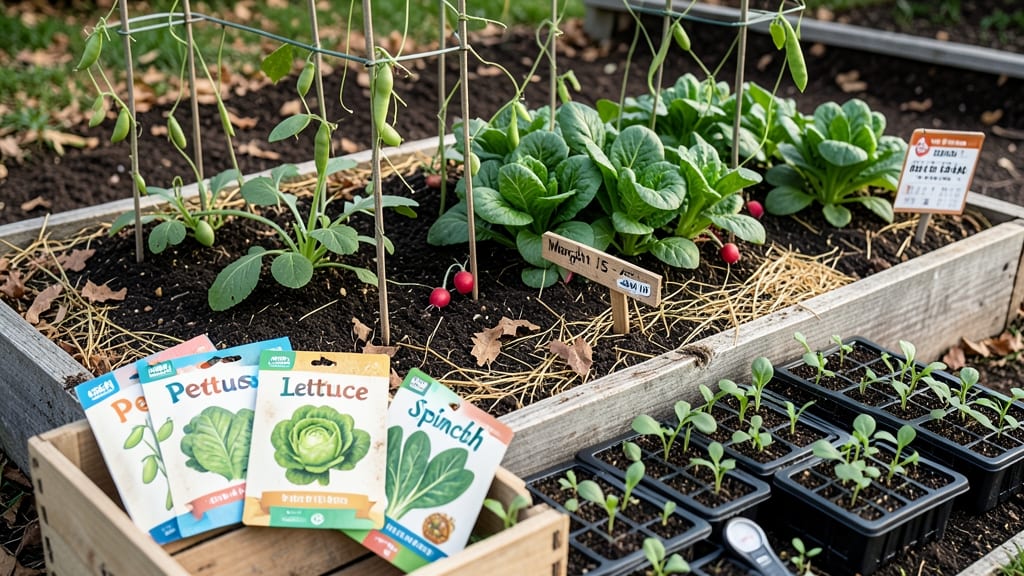
To plant a vegetable garden in Iowa, time your seeds and transplants between mid-April and early June for spring and late July to mid-August for fall—missing these windows risks frost damage or stunted growth.
Iowa’s unpredictable frost dates can make or break your vegetable garden—plant too early and risk losing tender seedlings, too late and miss peak harvests. Get the exact frost-free windows for Iowa’s 5 zones to maximize your garden’s potential.
With USDA zones 5a-6b, your choices range from hardy greens like spinach to heat-loving tomatoes. Cool-season crops thrive in early spring, while warm-season staples need warmer soil and air temperatures to take off.
Below, I break down the best planting months for every major crop, how to adjust for late frosts, and the one trick that buys you an extra two weeks of growing time—no matter where in Iowa you garden.
Iowa’s frost-free dates by USDA plant hardiness Zone: what you need to know
Understanding Iowa’s USDA Plant Hardiness Zones (4a-5b) is critical for timing your vegetable garden correctly. The average last frost date shifts from April 15 in Zone 4a to May 1 in Zone 5b, creating a 3-week planting window difference across the state.
These dates separate successful harvests from wasted effort—especially for heat-sensitive crops like tomatoes and peppers.
Iowa State University’s 2024 frost projections suggest slightly earlier springs in southern zones (5a-5b) due to climate trends, but northern Iowa (4a-4b) remains more conservative. For example, Des Moines (Zone 5a) typically sees its last frost by April 22, while Dubuque (Zone 4b) often waits until May 5.
This variation means northern gardeners should delay warm-season planting by 10-14 days compared to their southern counterparts.
Cold-hardy crops like peas, spinach, and kale thrive when planted 4-6 weeks before your last frost, while warm-season vegetables (tomatoes, peppers, squash) need soil temperatures above 50°F and 2-3 weeks after frost. Using these zone-specific windows prevents common mistakes like frost damage to seedlings or bolting in cool-season greens.
Here’s how Iowa’s 5 USDA zones break down for planting timing, including cold-hardy early crops and heat-loving late-season varieties:
| USDA Zone | Avg. Last Frost | Cold-Hardy Crops (Plant Before Frost) | Warm-Season Crops (Plant After Frost) | First Frost (Fall) |
|---|---|---|---|---|
| 4a (Northern IA: Sioux Falls, Mason City) | May 5 | Peas, Spinach, Kale, Radishes (March 15-April 1) | Tomatoes, Peppers, Corn (May 20-June 5) | October 10 |
| 4b (Northeast IA: Waterloo, Dubuque) | April 25 | Lettuce, Broccoli, Carrots (March 20-April 10) | Cucumbers, Beans, Squash (May 5-May 20) | October 5 |
| 5a (Central IA: Ames, Des Moines) | April 22 | Onions, Cabbage, Swiss Chard (March 25-April 15) | Peppers, Eggplant, Melons (May 1-May 15) | October 15 |
| 5b (Southwest IA: Council Bluffs, Ottumwa) | April 15 | Potatoes, Beets, Lettuce (March 1-April 5) | Tomatoes, Basil, Okra (April 25-May 10) | October 20 |
For Zone 4a gardeners, the short growing season (150-160 frost-free days) demands fast-maturing varieties like ‘Early Girl’ tomatoes (65 days) or ‘Sugar Ann’ peas (55 days).
Meanwhile, Zone 5b gardeners can push the envelope with longer-season crops like ‘Brandywine’ tomatoes (85 days) or ‘Jalapeño’ peppers (70 days), thanks to 170+ frost-free days.
Iowa State Extension recommends monitoring soil temperatures—not just air temperatures—since cold soil delays germination. Use a soil thermometer to confirm 50°F+ for warm-season crops and 40°F+ for cool-season starts. Pro tip: Black plastic mulch warms soil by 5-10°F, letting you plant 2 weeks earlier in spring.
Don’t overlook fall planting windows, which start 8-10 weeks before your first frost. In Zone 4a, that’s August 15 for cool-season crops like spinach and radishes, while Zone 5b can extend until September 15.
This strategy maximizes your harvest and reduces food waste by aligning with natural cooling trends.
For unpredictable years, use row covers to protect seedlings from late frosts (common in Zone 4a-4b) or shade cloth to shield heat-sensitive crops in Zone 5b’s hot summers.
Iowa State’s 2024 climate outlook suggests warmer springs, so consider starting warm-season seeds indoors by March 1 in southern zones to gain a 3-week head start.
Protect your investment by tracking local frost data via the Midwest Regional Climate Center
Best vegetables to plant in Iowa by season: a month-by-month guide
Iowa’s short growing season and variable frost dates demand careful planning to get the most from your vegetable garden. Cool-season crops like spinach and peas can handle early spring plantings, while tomatoes and peppers need warmer soil to thrive.
The key is matching each crop to its ideal planting window—whether you’re in zone 4a (northwest) or zone 5b (southeast).
For consistent harvests, use succession planting—sowing small batches every 2-3 weeks—to keep fresh produce coming all season. For example, plant lettuce every 10 days from April to July, or stagger bush beans in June and August.
This method works especially well for fast-maturing crops like radishes and turnips, which can be harvested in as little as 30 days.
🌱 Iowa Planting Calendar by Month
- March: Start cool-season seeds indoors (tomatoes, peppers, eggplants) and sow hardy greens outdoors (spinach, kale, peas) if soil isn’t frozen.
- April: Plant asparagus crowns and potatoes early; transplant broccoli and cabbage after last frost (typically mid-April).
- May: Sow warm-season crops (corn, beans, cucumbers) 2-3 weeks after last frost. Add succession plantings of lettuce and radishes.
- June: Direct-sow fall crops (kale, carrots, beets) for late harvests. Transplant tomatoes and peppers if started late.
- July: Begin fall planting of cool-season crops (spinach, peas) for harvest before first frost. Succession plant bush beans.
- August: Extend season with cold frames for greens. Plant garlic for next year’s harvest.
In northern Iowa (zones 4a-4b), wait until May 1 to plant warm-season crops, as late frosts are common. Southern Iowa (zones 5a-5b) can start tomatoes and peppers by April 15, but always check soil temperature—it should be at least 50°F for germination.
Use a soil thermometer to avoid disappointment with slow or failed sprouts.
Pro tip: Extend your season with row covers or low tunnels to protect early plantings. These tools can add 2-4 weeks of growing time for crops like lettuce and spinach, letting you harvest well into October.
For example, cover peas and radishes in early April to jumpstart growth before the last frost.
Don’t overlook fall planting—it’s your secret to a second harvest of fresh vegetables. In late July, sow kale, carrots, and beets for a September-October harvest. These crops tolerate cooler temps and even light frosts, making them ideal for Iowa’s fall garden.
Just be sure to mulch heavily to insulate roots from early frosts.
For continuous harvests, combine spring and fall plantings of the same crop. For instance, grow lettuce in April and again in August to enjoy fresh greens from May through October. This double-cropping strategy maximizes your garden space and ensures you’re never without homegrown veggies.