
Planting
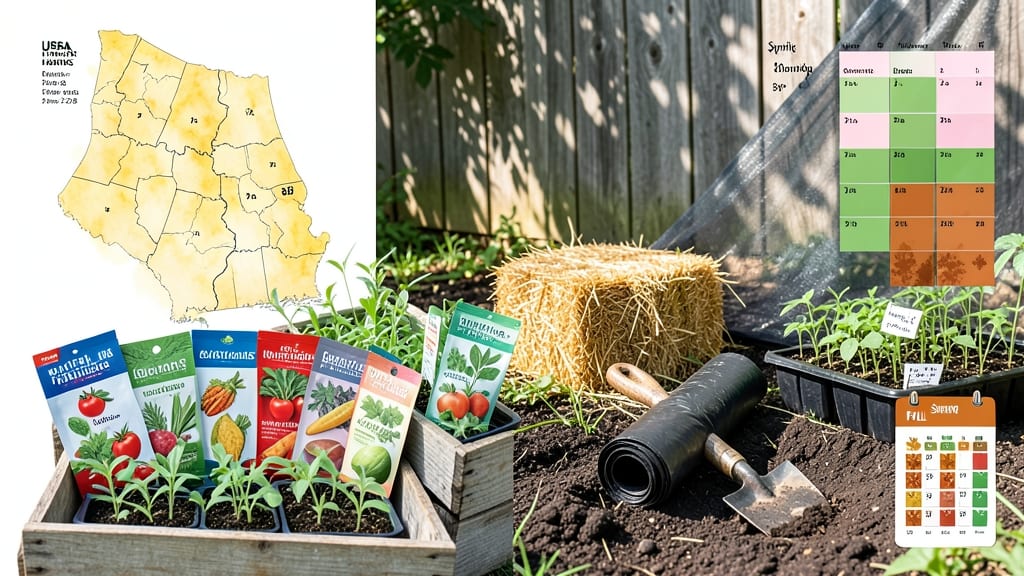
Planting a vegetable garden in Mississippi means timing your crops to beat the heat and avoid the short but sharp frost windows—start cool-season greens like lettuce in early February, while warm-season favorites like okra and tomatoes wait until April.
Mississippi’s long, hot summers and mild winters create a unique gardening window—plant at the wrong time, and your vegetables will bolt, wilt, or fail to thrive. But get the timing right, and you’ll enjoy a bountiful harvest of heat-loving crops like okra, sweet potatoes, and black-eyed peas.
In USDA Zones 7a and 7b, the last frost typically hits by mid-March in the north and early February along the coast, giving you a narrow window for early spring crops.
Meanwhile, the heat arrives fast, so warm-season plants need to be in the ground by early April to avoid stress.
Below, I break down the best monthly planting schedule for your region, how to extend harvests with succession planting, and the top heat-resistant vegetables that thrive in Mississippi’s climate—no guesswork, just proven timing for a bountiful garden.
Mississippi planting zones & best monthly planting schedule for vegetables
Mississippi spans USDA Zones 7a-8b, with North Mississippi (7a/7b) experiencing slightly cooler winters and South Mississippi (8a/8b) enjoying longer frost-free seasons.
These zones dictate when to plant vegetables—cool-season crops like broccoli and lettuce thrive in early spring and fall, while warm-season crops such as tomatoes and peppers need soil temperatures above 60°F to germinate.
The average last frost date ranges from mid-March in the south to early April in the north, while the first frost typically arrives in late October to early November.
Timing is everything in Mississippi gardening. Plant cool-season crops like spinach and peas 6-8 weeks before the last frost, while warm-season crops like okra and sweet potatoes should wait until after the last frost when soil temperatures consistently stay above 65°F.
Succession planting—sowing new seeds every 2-3 weeks—helps maximize yields in Mississippi’s short growing window. For example, lettuce can be planted in February-March and again in August-September for fall harvests.
Here’s your month-by-month planting guide for Mississippi’s most popular vegetables, tailored to both cool-season and warm-season crops. Use this as your roadmap to avoid common mistakes like planting heat-sensitive crops too early or missing the window for frost-tender varieties.
| Month | Cool-Season Crops (Plant) | Warm-Season Crops (Plant) | Soil Temp Requirement | Notes |
|---|---|---|---|---|
| February | Lettuce, Spinach, Peas, Broccoli | — | 45-55°F | Start seeds indoors for transplanting after last frost. |
| March | Carrots, Radishes, Kale, Cabbage | Tomatoes (transplants), Peppers (transplants) | 50-60°F (cool); 65°F+ (warm) | Harden off transplants before moving outdoors. |
| April | Green Onions, Swiss Chard | Cucumbers, Squash, Okra | 60°F+ (warm) | Wait until soil warms to 65°F for warm-season seeds. |
| May | — | Sweet Potatoes, Corn, Beans | 70°F+ | Peak planting month for heat-loving crops. |
| June-July | — | Succession plant beans, cucumbers | 75°F+ | Use shade cloth for tender greens like lettuce. |
| August | Lettuce, Spinach, Radishes | Pumpkins, Winter Squash | 60°F+ (cool); 70°F+ (warm) | Prepare for fall planting after summer heat subsides. |
| September | Broccoli, Cabbage, Kale | — | 55-65°F | Last chance for warm-season crops in southern zones. |
Mississippi’s humidity and heat can stress plants, so mulching with straw or leaves helps retain moisture and regulate soil temperature. For
Heat-resistant vegetables that thrive in Mississippi’s climate (and when to start them)
Mississippi’s intense summer heat can turn a garden into a sauna, but some vegetables actually thrive in these conditions. The key is choosing varieties bred for heat tolerance and planting them at the right time to avoid early-season stress.
My top picks include collard greens, okra, and sweet potatoes, which handle 90°F+ temperatures like champions.
For warm-season crops, aim to get seeds in the ground by early April in most of Mississippi. This gives plants time to establish roots before the real heat arrives in May and June.
Meanwhile, cool-season crops like turnips and mustard greens can handle light frosts, so I plant them in late summer for fall harvests.
🌱 Top 10 Heat-Resistant Vegetables for Mississippi
- 1. Collard Greens: Plant March-April or August-September for fall/winter harvests. Thrives in 95°F+ with consistent moisture.
- 2. Okra: Direct-sow after last frost (April-May). Heat-loving variety like 'Clemson Spineless' produces pods even in 100°F heat.
- 3. Sweet Potatoes: Plant slips (May-June) when soil reaches 65°F+. Vines tolerate drought and extreme heat better than most tubers.
- 4. Black-Eyed Peas: Sow seeds March-April or July-August for two harvests. Handles humidity and heat better than cowpeas.
- 5. Peppers (Bell/Jalapeño): Transplant after last frost (April-May). Varieties like 'Carolina Wonder' thrive in 90°F+ with afternoon shade.
- 6. Squash (Butternut/Zucchini): Plant seeds April-May when soil is 70°F+. Vining types spread to avoid heat stress on fruits.
- 7. Eggplant: Transplant April-May after frost. 'Black Beauty' handles heat better than most varieties with proper mulching.
- 8. Tomatoes (Heat-Tolerant): Plant April-May with 'Celebrity' or 'Heatmaster' varieties. Use shade cloth during peak afternoon heat.
- 9. Southern Peas (Cowpeas): Direct-sow May-June. Drought-tolerant and fixes nitrogen, improving soil for next year's crops.
- 10. Peanuts: Plant May-June when soil is 75°F+. Needs 120+ days to mature but handles Mississippi's humidity exceptionally well.
To extend harvests in extreme heat, I use succession planting for quick growers like okra and black-eyed peas. Plant new seeds every 2-3 weeks from May through July to ensure a continuous supply. For leafy greens, provide afternoon shade with shade cloth during the hottest months (June-August).
Mulching with straw or pine needles keeps soil cool and retains moisture, which is critical during Mississippi’s drought-prone summers. I also recommend drip irrigation to deliver water directly to roots, reducing evaporation and fungal risks from overhead watering.
For fall harvests, start planting collard greens and turnips in late August to take advantage of cooler temperatures. These crops actually sweeten after a light frost, making them perfect for Mississippi’s mild winters.
Pro tip: Monitor your garden’s soil temperature with a thermometer—most heat-loving crops need soil at 70°F+ to germinate properly. If your soil is cooler than that, wait a few more days or use black plastic mulch to warm it faster.