
Planting
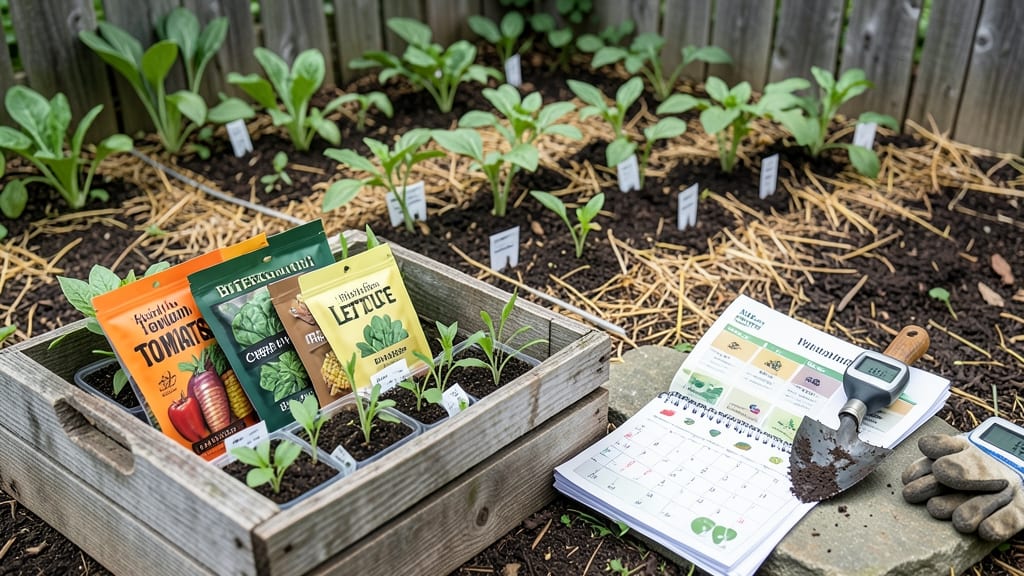
Planting a vegetable garden in Virginia at the right time means the difference between a bountiful harvest and wasted seeds 🥕—and the USDA 7a/7b calendar holds all the secrets.
Virginia’s mild winters and hot summers create a gardener’s paradise—but timing your vegetable plantings wrong can mean wasted seeds and missed harvests. Master the USDA Zone 7a/7b planting calendar to maximize yields from spring greens to fall squash.
Cool-season crops like spinach and peas thrive when planted 4-6 weeks before your last frost (around March 15), while warm-season favorites like tomatoes and peppers need to wait until 2-3 weeks after the frost danger has passed.
Get it wrong, and you’ll either lose seedlings to cold snaps or watch your plants bolt in the heat.
In this guide, I’ll break down the exact months to plant by crop, adjust for Virginia’s microclimates (like Piedmont vs. Tidewater), and share the one mistake that ruins even experienced gardeners’ timing. Ready to grow like a pro?
Virginia’s best planting timeline by vegetable type (Zone 7a/7b guide)
Virginia’s USDA Zone 7a/7b climate offers gardeners a long growing season, but knowing exactly when to plant each vegetable makes all the difference.
In Zone 7a (cooler valleys like the Shenandoah), your last frost typically arrives March 15–April 1, while Zone 7b (warmer Piedmont areas) sees frost-free dates 2–3 weeks earlier.
This guide breaks down the best planting windows for cool-season crops, warm-season staples, and year-round favorites to help you avoid frost damage and maximize harvests.
For cool-season vegetables like spinach, broccoli, and kale, start seeds indoors 4–6 weeks before your last frost or sow directly in the garden 2–3 weeks before. These hardy crops thrive in 50–65°F soil and can even tolerate light frosts.
Meanwhile, warm-season plants such as tomatoes, peppers, and cucumbers need soil temperatures above 60°F—wait until 2–3 weeks after your last frost (usually April 15–May 1 in Zone 7b) to plant them outdoors. Green onions, herbs like cilantro, and leafy greens are exceptions; they can be planted year-round in Virginia’s mild winters, though growth slows in cold months.
Northern Virginia (Zone 7a) gardeners should adjust planting dates 1–2 weeks later than those in Southern Virginia (Zone 7b). For example, while Zone 7b might safely plant tomatoes by April 20, Zone 7a should wait until May 1 to avoid late frosts. Use your local Virginia Cooperative Extension frost maps to fine-tune your schedule—these resources account for microclimates like urban heat islands or sheltered valleys.
Here’s a quick reference for key planting windows in Virginia’s Zone 7a/7b:
| Vegetable Type | Zone 7b (Southern VA) | Zone 7a (Northern VA) | Notes |
|---|---|---|---|
| Cool-Season Crops | Feb 15–March 15 (direct sow) / March 1–15 (transplant) | March 1–April 1 (direct sow) / March 15–April 1 (transplant) | Spinach, broccoli, kale, peas, lettuce. Succession plant every 2 weeks. |
| Warm-Season Crops | April 15–May 1 (after last frost) | May 1–15 (after last frost) | Tomatoes, peppers, cucumbers, beans, squash. Use row covers for early starts. |
| Year-Round Favorites | Year-round (best in spring/fall) | Year-round (best in spring/fall) | Green onions, herbs (basil, cilantro, parsley), radishes. Mulch in winter. |
| Fall Planting | August 1–September 15 | August 15–September 30 | Broccoli, carrots, kale, lettuce. Choose cold-hardy varieties. |
For warm-season crops, don’t rush to plant—soil temperatures below 60°F can stunt growth or cause seeds to rot. Test your soil with a soil thermometer before planting; aim for 70–80°F for optimal germination.
If your spring is unpredictable, use biodegradable seed starter pots to get tomatoes and peppers off to a faster start indoors in February. Succession planting is key for a continuous harvest: sow lettuce or radishes every 2 weeks from March through September.
In Zone 7a, where springs can linger cold, consider using row covers or cold frames to extend your growing season. These tools can push your last frost date back by 2–3 weeks, giving you earlier harvests of spinach, peas, and broccoli.
For Zone 7b, focus on heat-tolerant varieties like Malabar spinach or Swiss chard, which thrive in the hotter Piedmont summers.
Always check seed packets for days to maturity—this tells you whether a crop (like bush beans) can be planted in early spring or only in late summer.
Don’t overlook fall planting, which can be just as productive as spring. In Virginia, August–September is prime time for cool-season crops like kale, carrots, and lettuce
How to adjust planting dates for Virginia’s microclimates (heat zones & elevation)
Your neighbor’s tomato seedlings might thrive on their Piedmont hillside while your valley garden still faces frost risks—because Virginia’s USDA Zone 7a/7b hides dramatic microclimates. Elevation shifts, soil warmth, and even nearby water bodies can create 10-day differences in frost dates between neighboring yards.
Ignoring these factors means wasted seeds or stunted plants.
For example, Roanoke’s Piedmont (Zone 7b) often enjoys 2-3 weeks earlier last-frost dates than Blacksburg’s valleys (Zone 7a), yet both follow the same generic calendar. Use degree-day calculators (like Virginia Cooperative Extension’s) to pinpoint your exact soil warming timeline—critical for warm-season crops like peppers and squash.
The key difference between Zone 7a (cooler valleys) and Zone 7b (warmer Piedmont) isn’t just frost dates—it’s soil temperature.
Zone 7b soils reach 60°F (ideal for tomatoes) 2 weeks earlier than Zone 7a. Plant too early in cooler areas, and your seedlings rot; wait too long in warmer zones, and you miss peak harvests.
| Factor | Zone 7a (Cooler Valleys) | Zone 7b (Warmer Piedmont) | Adjustment Tip |
|---|---|---|---|
| Last Frost Date | March 25 | March 15 | Plant warm crops 10 days later in valleys |
| Soil Reaches 60°F | April 10 | March 28 | Use soil thermometer for accuracy |
| Peak Heat Stress | July 15-August 1 | July 1-August 15 | Shade cloth for late-season tomatoes |
| Fall Planting Window | August 15-Sept 1 | August 1-Sept 15 | Extend with row covers |
To fine-tune your schedule, start with degree-day accumulation—a measure of heat energy your plants need. For example, tomatoes require 1,200-1,500 degree-days from transplanting to harvest. Use the Virginia Climate Tool to track your local accumulation and plant when you’ve hit 50% of the total for your variety.
Elevation also plays a role: every 1,000 feet gain drops temperatures by 3.5°F. If you’re gardening above 2,000 feet (like in the Blue Ridge Mountains), treat your zone as 6b and adjust planting dates accordingly.
For lowland areas near rivers, expect warmer microclimates that may allow earlier plantings of heat-loving crops.
Pro tip: Observe your garden’s history for 2-3 years to spot patterns. Note when frost hits unexpectedly, when soil warms up, and how local topography affects wind and heat. With these adjustments, you’ll beat your neighbors’ harvests—no matter where you garden in Virginia 🌱