
Planting
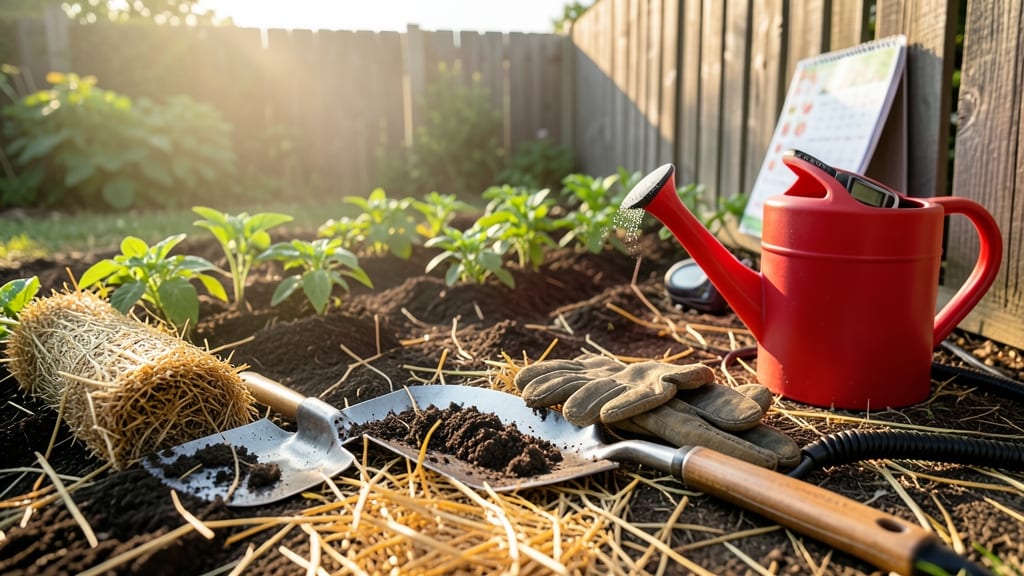
To plant a vegetable garden in Oklahoma, start cool-season crops like lettuce and spinach as soon as the soil warms in late February or early March—just avoid the last frost, which can linger until mid-April in northern zones.
Oklahoma’s unpredictable weather can make or break your vegetable garden—planting at the wrong time means stunted growth, pests, or even total crop failure. But with the right timing, you’ll enjoy bountiful harvests from spring greens to fall squash.
Most gardeners in USDA zones 6a-7b wait until April 15 for warm-season crops like tomatoes and peppers, when soil temperatures hit 60°F. Fall planting starts in late summer, with a final push for hardy greens by September 1.
Here’s your zone-specific calendar, soil prep tips, and how to beat Oklahoma’s heat and drought for faster growth—no guesswork, just proven deadlines.
Oklahoma planting zones: when to start seeds vs. transplants by month
Oklahoma spans USDA planting zones 6a through 7b, meaning your last spring frost can range from late March to early April in northern areas, while southern regions may see frost as late as mid-April.
Understanding these variations is critical—planting warm-season crops like tomatoes too early or cool-season crops like spinach too late can spell disaster. The key? Match your timing to soil temperatures and frost-free windows.
For zone 6a (northwest OK), aim to start warm-season seeds indoors by mid-March and transplant outdoors after May 15. In zone 7b (southeast OK), you can push those dates back by 2-3 weeks.
Meanwhile, cool-season crops like kale and peas thrive when planted 8-10 weeks before the first frost, which typically arrives in November for most of the state.
Here’s the breakdown you need to avoid common mistakes—like bolting lettuce or stunted peppers—while maximizing your harvest.
| Zone | Cool-Season Crops (Start Seeds) | Warm-Season Crops (Start Seeds) | Transplant Outdoors | Soil Temp (°F) |
|---|---|---|---|---|
| 6a (NW OK) | Feb 15 - Mar 15 | Mar 1 - Mar 15 (indoors) | After May 15 | 45-55°F (cool crops), 60°F+ (warm crops) |
| 6b (Central OK) | Mar 1 - Apr 1 | Mar 15 - Apr 1 (indoors) | After Apr 20 | 45-55°F, 60°F+ |
| 7a (SE OK) | Mar 15 - Apr 15 | Apr 1 - Apr 15 (indoors) | After Apr 1 | 50-55°F, 65°F+ |
| 7b (Southeast OK) | Apr 1 - Apr 30 | Apr 15 - May 1 (indoors) | After Mar 20 | 50-55°F, 65°F+ |
| Note: Use row covers for cool crops in early spring or late fall to extend seasons. Warm-season crops need consistent 70°F+ soil for 2+ weeks before transplanting. | ||||
Let’s dive into month-by-month specifics to ensure your timing aligns with Oklahoma’s climate. For example, zone 6a gardeners should avoid transplanting tomatoes before May 15, as nighttime temps below 50°F stunt growth.
Meanwhile, zone 7b gardeners can start warm-season seeds outdoors as early as March 20 if using black plastic mulch to warm the soil faster.
In April, focus on direct-sowing cool crops like peas and radishes while starting tomato and pepper seeds indoors. By May, harden off seedlings and transplant warm-season crops once soil temps hit 60°F+.
Use a soil thermometer—this tool is a game-changer for accuracy. Pro tip: Morning soil temps are often 5-10°F cooler than afternoon readings, so check in the late morning for reliable data.
For fall planting, aim to sow cool-season crops by August 15 in northern zones or September 15 in southern zones. This ensures harvests before first frost, which can arrive as early as October 15 in zone 6a.
Succession plant lettuce and spinach every 2-3 weeks from August through September for continuous harvests.
One critical mistake many Oklahoma gardeners make? Ignoring microclimates. A south-facing slope in zone 6b might warm up 2 weeks earlier than a shaded north-facing bed.
Use this to your advantage by planting heat-loving crops like okra or sweet potatoes in warmer microclimates 1-2 weeks earlier than the general guidelines.
If you’re new to Oklahoma gardening, start with transplants instead of seeds for warm-season crops. Local nurseries often carry tomato and pepper starts by April 15, giving you a head start.
For cool-season crops, direct-sowing is easier—just remember to thin seedlings to 2-3 inches apart for optimal growth. Overcrowding leads to pests and disease, so don’t skip this step!
Best vegetables to plant in Oklahoma’s spring, summer, and fall seasons
Oklahoma’s three distinct seasons for gardening create perfect windows for growing everything from cool-season greens to heat-loving tomatoes. The key is matching each crop to its ideal planting time—whether that’s early spring, late summer, or fall’s mild temperatures.
I’ve grown more than 20 varieties here, and these are the standouts that thrive with Oklahoma’s unpredictable weather patterns.
Spring brings light frosts and moist soil, making it ideal for leafy greens and root vegetables. Summer demands drought-tolerant varieties and shade cloth for delicate plants, while fall extends the growing season with cool-season crops that love crisp air.
Let’s break down the best options for each season—and how to keep harvesting all year with succession planting.
- Spring (March–April): Plant lettuce, spinach, peas, and radishes—they tolerate light frosts and thrive in 50–60°F soil. Start onion sets and broccoli 4–6 weeks before last frost.
- Summer (May–July): Focus on heat-tolerant varieties like okra, sweet potatoes, and black-eyed peas. Plant tomatoes and peppers after May 15 when soil hits 65°F+. Use mulch to retain moisture.
- Fall (August–September): Replant cool-season crops like kale, carrots, and turnips for October–November harvests. Start garlic in late September for next year’s crop.
- Succession Planting Tip: Sow bush beans every 2 weeks from May to July for continuous harvests. Lettuce can be replanted every 3 weeks in spring and fall.
For spring planting, I swear by ‘Black Seeded Simpson’ lettuce—it bolts slower in Oklahoma’s heat spikes. Pair it with ‘Sugar Ann’ peas, which fix nitrogen in the soil.
In my raised beds, I’ve had success with ‘Early Girl’ tomatoes when planted after Memorial Day, but I always cover young plants with floating row covers to shield them from late spring hail.
Summer gardening in Oklahoma is all about water efficiency. I’ve switched to ‘Creole’ okra and ‘Georgia Purple’ sweet potatoes because they handle 90°F+ temps without wilting. Drip irrigation is a game-changer—it delivers water directly to roots and reduces evaporation.
If you’re growing peppers, try ‘Jalapeño M’; it’s the only one that hasn’t turned bitter in my afternoon sun.
Fall is my favorite season for gardening here—cooler temps mean fewer pests and sweeter flavors. I plant ‘Winterbor’ kale and ‘Nantes’ carrots in early August for harvests through December.
A light frost actually sweetens carrots, so don’t rush to pull them! For extended harvests, I use low tunnels to protect greens until Christmas.
Don’t forget about perennial crops like asparagus and rhubarb, which establish in spring and reward you for years. I planted ‘Mary Washington’ asparagus in 2020, and now it’s my go-to early spring crop. Pair it with strawberries for a dual-purpose bed—both thrive in Oklahoma’s acidic soil.
With these seasonal strategies, you’ll avoid the heartbreak of blighted tomatoes or bolted lettuce. Start small, keep notes on what works, and soon you’ll have a year-round harvest that puts grocery store veggies to shame. Happy planting! 🌿