
Planting
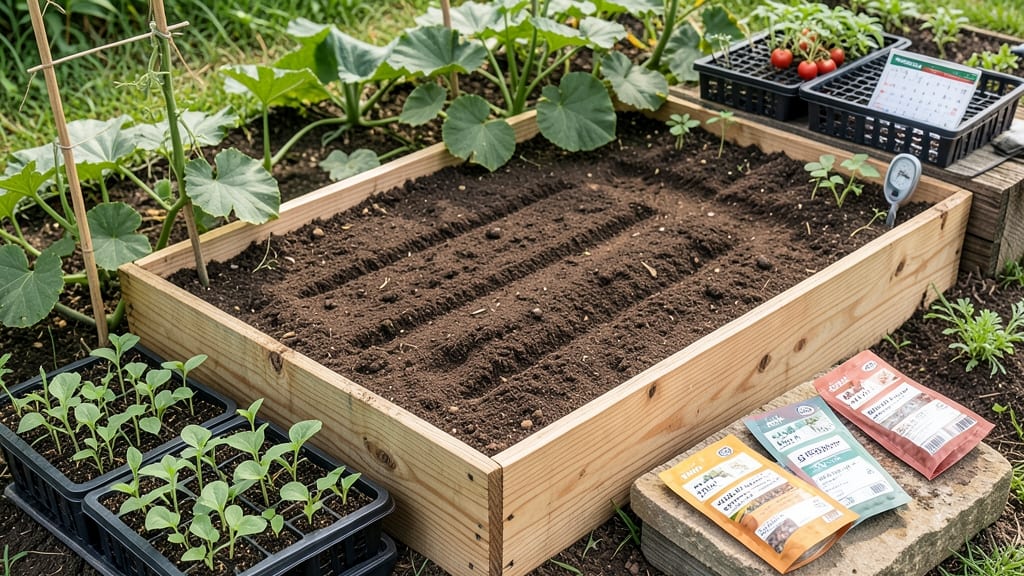
Planting a vegetable garden in Oklahoma means timing your crops to beat the heat and frost—start cool-season veggies like broccoli and peas 6-8 weeks before your last frost, while warm-season favorites such as tomatoes and peppers wait until soil hits 60°F.
Oklahoma’s variable climate—from humid summers to chilly winters—can make timing your vegetable garden tricky, but planting at the right moment ensures bountiful harvests instead of wilting disappointment. One wrong move, and your spring lettuce bolts or your summer squash rots in the heat.
Whether you’re in USDA Zone 6b or Zone 8a, the key is knowing when to start seeds indoors, when to transplant seedlings, and how to adjust for Oklahoma’s unpredictable weather. A well-timed garden means fewer pests, better yields, and fewer trips to the store.
Below, I break down the best planting windows by month, which crops thrive in Oklahoma’s heat, and how to handle late frosts or early heatwaves—so you can grow a garden that feeds you all season long.
Oklahoma planting zones: when to start seeds vs. transplants by month
Oklahoma spans USDA Hardiness Zones 6b through 8a, meaning your planting timeline should adjust based on whether you're in northern Zone 6b (like Tulsa) or southern Zone 8a (like Lawton). The key difference? Frost-free dates shift from late March in the south to mid-April in the north.
I’ll break down when to direct-sow seeds (like beans) versus transplant seedlings (like tomatoes) for each month, so you can avoid frost damage or scorched seedlings.
For Zone 6b (northern OK), aim to start cool-season crops indoors by February 15 and transplant outdoors after April 15. In Zone 8a, you can direct-sow warm-season crops like okra as early as March 1, while northern gardeners wait until April 30.
The chart below organizes these timelines by month, with adjustments for both zones.
If you’re in Zone 7a (like Oklahoma City), split the difference: start tomato seedlings indoors by March 1 and transplant after April 1. For direct-seeded crops like beans or peas, wait until soil temperatures hit 60°F—usually mid-April in northern areas but late March in the south.
I’ve seen gardeners in Zone 8a plant sweet potatoes as early as February if they use black plastic mulch to warm the soil.
For transplants, harden off seedlings for 7–10 days before moving them outdoors. In Zone 6b, use row covers until May to protect from late frosts. In Zone 8a, focus on shade cloth during summer’s brutal heat.
My pepper plants in Zone 7a wilted last summer until I installed a drip irrigation system with morning watering.
Pro tip: Use a soil thermometer to confirm readiness. For cool-season crops like lettuce, soil should be 40–50°F. For warm-season crops (tomatoes, peppers), wait until soil hits 60–65°F. In Zone 6b, this often means delaying planting until after May 1 to avoid stunted growth.
Adjust for raised beds: They warm up 2–3 weeks faster than in-ground soil. In Zone 6b, you can direct-sow cucumbers in raised beds by April 15, while in-ground soil might still be too cold.
For container gardening, start warm-season transplants 2 weeks earlier than the chart suggests, since pots heat up quicker.
Watch for
Best vegetables to plant in Oklahoma’s spring, summer, and fall seasons
Oklahoma’s three distinct seasons create perfect opportunities for growing a diverse vegetable garden. Spring brings cool temperatures ideal for leafy greens, while summer’s heat thrives with drought-tolerant crops like okra and sweet potatoes. Fall extends the harvest with hardy vegetables like broccoli and kale, even as temperatures dip.
Understanding these seasonal patterns helps maximize your garden’s productivity year-round.
For spring planting, focus on cool-season vegetables that tolerate light frosts. Broccoli, cabbage, and peas thrive when soil temperatures reach 40-50°F, making early March to April ideal. Transplants like tomatoes and peppers should wait until after the last frost, typically mid-April to early May, when soil warms to 60°F or higher.
Succession planting every 2-3 weeks ensures continuous harvests.
- 🌱 Spring (March-May): Plant cool-season crops like lettuce, spinach, and peas. Start tomato and pepper transplants indoors in February for early May planting.
- ☀️ Summer (June-August): Grow heat-loving vegetables such as okra, sweet potatoes, and southern peas. Use mulch to retain moisture during Oklahoma’s intense heat.
- 🌿 Fall (September-November): Extend the season with broccoli, kale, and carrots. Plant garlic in October for next year’s harvest, and cover crops with row fabric to protect from early frosts.
- ⏰ Succession Planting: Sow bush beans and zucchini every 2 weeks from May through July. Replace harvested crops with fast-growing radishes or lettuce to keep the garden productive.
In summer’s scorching heat, prioritize drought-resistant vegetables like okra, sweet potatoes, and eggplant. These thrive in Oklahoma’s 90°F+ temperatures and require minimal watering once established. Shade cloth can protect delicate transplants, and drip irrigation ensures roots stay moist without wasting water.
For container gardening, choose compact varieties like bush beans or cherry tomatoes to avoid heat stress.
As fall approaches, shift to hardy vegetables that tolerate cooler temperatures. Kale, Brussels sprouts, and turnips flourish in 50-60°F soil, making September the ideal planting month.
Use row covers to extend the season until the first frost, typically mid-November in northern Oklahoma or December in southern regions. Garlic and onions planted in fall develop strong roots before winter dormancy.
For year-round success, combine seasonal crops with succession planting. Replace early-harvested greens with winter radishes or spinach, and follow summer squash with fall broccoli. Perennial herbs like rosemary and thyme add greenery between vegetable plantings and thrive in Oklahoma’s climate.
With these strategies, your garden stays productive from spring blooms to fall harvests.
Don’t overlook regional microclimates—southern Oklahoma’s longer growing season allows for earlier spring plantings and later fall harvests. Northern areas may need row covers or cold frames to protect tender crops.
By aligning your planting schedule with Oklahoma’s unique seasonal shifts, you’ll enjoy a continuous bounty from your garden. 🌱