
Planting
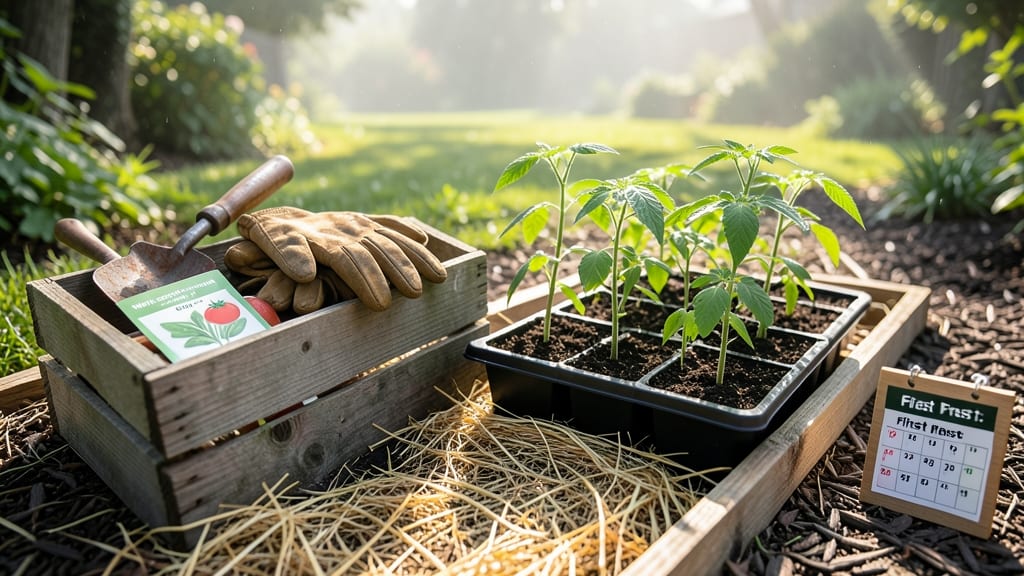
Planting a vegetable garden in Seattle requires timing that balances mild winters and cool springs—get it wrong, and you’ll either lose crops to frost or miss peak harvests entirely.
Seattle’s Zone 8A climate throws a curveball: frost can linger until mid-April, but summer heat arrives fast, leaving just 165 frost-free days for growth. That’s why knowing when to start seeds indoors, when to transplant, and which crops thrive in each window makes all the difference.
Cool-season greens like spinach and peas can go in as early as February, while tomatoes and peppers demand the warmth after April 15. Fall brassicas like kale and cabbage, meanwhile, need to hit the soil by July to mature before the first frost in October.
Below, I’ll break down the exact planting schedule for Seattle’s two main seasons—spring and fall—plus pro tips to stretch your growing window and avoid common pitfalls like soggy soil or stunted growth.
Seattle’s frost dates & ideal planting windows by season (zone 8A guide)
Understanding Seattle’s frost dates is your secret weapon for a productive vegetable garden. In Zone 8A, the average last frost date falls between April 15 and May 1, while the first frost typically arrives between October 15 and November 1.
These dates create a 165-day growing season, which is perfect for cool-season crops but requires careful planning for warm-season favorites.
Your planting schedule hinges on these frost dates. Cool-season crops like lettuce and peas thrive when planted 4-6 weeks before the last frost, while warm-season crops such as tomatoes and peppers need to wait until after the last frost to avoid damage.
Seattle’s unpredictable weather adds another layer—urban areas like Ballard often warm up faster than rural spots like Snoqualmie.
Here’s a quick reference for Seattle’s planting windows by season, tailored to your garden’s microclimate:
| Season | Planting Window | Ideal Crops | Microclimate Note |
|---|---|---|---|
| Early Spring | March 1–April 15 | Peas, spinach, kale, lettuce | Urban areas warm faster; rural spots may need row covers. |
| Late Spring | April 15–May 15 | Carrots, radishes, broccoli, onions | Monitor for late frosts; use cold frames if needed. |
| Summer | May 15–July 15 | Tomatoes, peppers, cucumbers, basil | Rural areas stay cooler; urban heat islands accelerate growth. |
| Fall | July 15–September 15 | Kale, Swiss chard, beets, Brussels sprouts | Extend season with row covers; harvest before first frost. |
| Late Fall | September 15–October 15 | Garlic, onions, hardy greens | Plant garlic in October for next year’s harvest. |
For urban gardeners, microclimates play a huge role. South-facing walls or rooftop gardens can add 1-2 weeks to your growing season, while shaded areas may delay planting by 10-14 days. Use a frost watch from the National Weather Service or local WSU Extension alerts to adjust your timeline.
Warm-season crops like tomatoes and peppers need consistent warmth to thrive. If you’re eager to plant them earlier, consider starting seeds indoors 6-8 weeks before the last frost and transplanting after May 15. For cool-season crops, succession planting every 2-3 weeks ensures a continuous harvest.
Seattle’s first frost risk in October means you’ll need to act fast for fall crops. Brassicas like kale and broccoli can handle light frosts, but tender greens like lettuce should be harvested before temperatures drop below 30°F.
Use row covers or cold frames to push your harvest window into November for hardy varieties.
Pro tip: Keep a planting journal to track your local microclimate’s quirks. Note when your last frost arrives and adjust future planting dates accordingly. Over time, you’ll refine your schedule to match Seattle’s ever-changing weather patterns.
Remember, soil temperature matters just as much as air temperature. For cool-season crops, aim for 40-50°F soil, while warm-season crops need 60-70°F. Use a soil thermometer to check before planting—especially in shady or urban microclimates where soil warms slower.
By mastering these planting windows and adjusting for your microclimate, you’ll turn Seattle’s unpredictable weather into an advantage. Happy gardening!
Best vegetables to plant in Seattle by month (from seed to harvest)
Timing your vegetable garden in Seattle means balancing the city’s cool, wet springs with short, warm summers. The key is planting cold-hardy crops early and heat-loving varieties after frost risk passes. My garden thrives when I follow these month-by-month guidelines tailored to Zone 8A conditions.
For example, January and February are perfect for spinach, peas, and kale—they tolerate chilly temps and even light frosts. Meanwhile, July and August are when tomatoes, basil, and zucchini shine, soaking up Seattle’s rare summer sun. Let’s break it down month by month to maximize your harvests.
🌱 Seattle Vegetable Planting Calendar
- January–February: Start cool-season crops indoors or under row covers. Plant peas, spinach, kale, and lettuce directly in well-draining soil. Avoid planting warm-season crops.
- March–April: Direct-sow carrots, radishes, and beets as soil warms. Transplant broccoli and cabbage seedlings. Last frost date (April 15) signals time for hardy herbs like parsley and cilantro.
- May–June: After last frost, plant tomatoes, peppers, and basil. Use black plastic mulch to warm soil for heat-loving crops. Succession plant bush beans and cucumbers every 2 weeks.
- July–August: Extend the season with fall crops like kale, Swiss chard, and Brussels sprouts. Harvest zucchini and summer squash aggressively to encourage production. Succession plant more lettuce and spinach for fall harvests.
- September–October: Plant garlic, onions, and winter spinach for early spring harvests. Use cold frames to protect late tomatoes and peppers from early frosts.
- November–December: Focus on soil prep and composting. Plant garlic cloves in late fall for a spring harvest. Avoid planting new crops outdoors.
Pro Tip: Use WSU Extension’s frost date maps to adjust for your Seattle microclimate—urban areas may frost earlier than rural zones.
One of my favorite Seattle-specific varieties is ‘Winterbor’ kale, which thrives in cool fall weather and stays sweet even after light frosts. Similarly, ‘Black Krim’ tomatoes perform well in Seattle’s variable summers, tolerating both heat and cooler spells. Pair these with heat-tolerant Swiss chard for a resilient garden.
For succession planting, I always keep lettuce and radish seeds on hand to sow every 2–3 weeks from spring through early fall. This ensures a continuous harvest and prevents bolting in hot weather. For example, planting radishes every 10 days guarantees fresh harvests every 3–4 weeks.
Don’t forget to rotate crops annually to prevent soil-borne diseases. For instance, tomatoes and peppers (heavy feeders) should follow light-rooted crops like lettuce or radishes. I also amend my soil with compost in early spring and fall to maintain fertility, especially after heavy harvests.
With this month-by-month approach, you’ll avoid the common pitfalls of Seattle gardening, like overcrowding seedlings or planting too late for frost-sensitive crops. Happy planting—your homegrown harvests will thank you! 🌿