
Planting
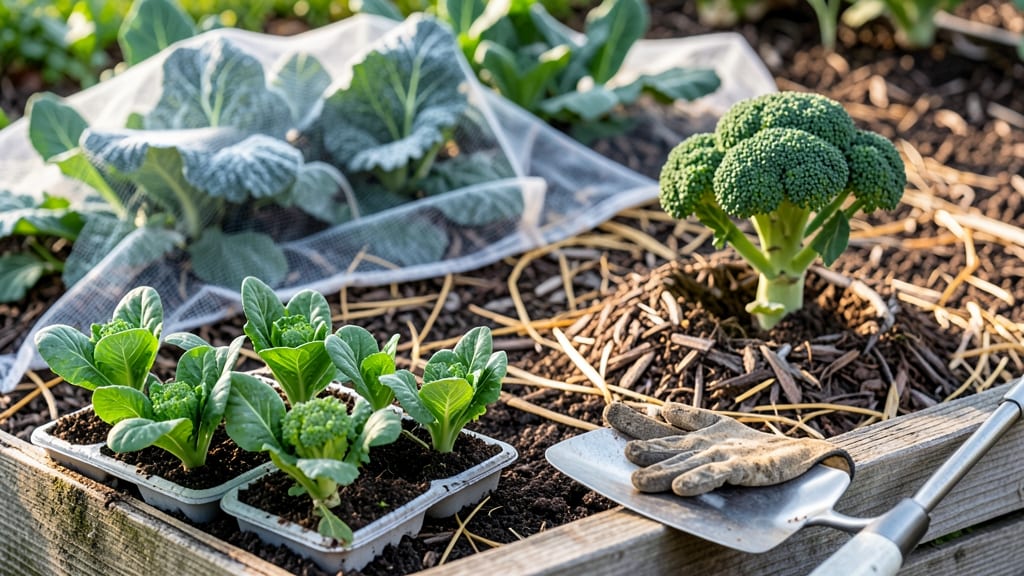
To plant a winter garden in Florida, start in September for North Florida, October for Central, and September again for South Florida—timing that lets you beat the first heat spikes while avoiding late-season pests.
Florida’s mild winters create a unique opportunity to grow a thriving winter garden—but timing is everything. Plant too early, and heat waves will fry your crops; too late, and you’ll miss the optimal growing window.
This isn’t just about avoiding frost (which Florida rarely sees) but about matching your 🥬 winter vegetables to the 9a-11 climate zones and microclimates that dictate when soil stays cool enough for greens but warm enough for roots.
Below, I’ll break down the exact planting windows by region, the best heat-tolerant crops for your zone, and how to stretch your harvest well into spring—without the common mistakes that waste months of effort.
Optimal planting dates for Florida’s winter garden by region
Florida’s winter gardening success hinges on regional timing—what works in North Florida’s cooler zones may fail in South Florida’s warmth. Unlike northern climates, Florida rarely faces frost, but temperature thresholds still dictate planting windows.
For example, broccoli and cabbage thrive in 60-75°F soil, while radishes bolt in 80°F+ heat.
Your location determines whether you start in late August (South Florida) or wait until October (North Florida). Microclimates—like coastal areas or inland valleys—can shift ideal dates by 2-4 weeks. Always check your USDA Zone (9a-11) and monitor 7-day forecasts for heat spikes.
Here’s the breakdown by region, including critical temperature warnings and adjustment tips for early/late starts:
North Florida gardeners should prioritize slow-growing crops like broccoli (90 days to maturity) and cabbage (120 days). Start seeds indoors 4-6 weeks before your target date to avoid heat stress. If temperatures dip below 50°F, use row covers or move containers indoors temporarily.
In Central Florida, focus on fast-maturing greens (e.g., mustard greens in 30 days) to capitalize on the October-November sweet spot. If you miss this window, opt for heat-tolerant varieties like 'Florida Broadleaf' spinach, which handles 85°F better than traditional types.
South Florida’s extended growing season lets you plant year-round, but August heat can still stress seedlings. Use shade tents or plant in partial shade until soil cools. For late starts (October+), choose cold-hardy crops like kale or Swiss chard, which thrive in 55-65°F.
Pro tip: Monitor your local weather for microclimate shifts. Coastal areas stay warmer than inland zones, so adjust planting dates 1-2 weeks earlier if you’re near the Gulf or Atlantic. For example, Fort Lauderdale (Zone 10b) can plant 2 weeks before Orlando (Zone 9b).
Always test soil temperature with a soil thermometer before planting. Ideal ranges vary: leafy greens (60-70°F), root veggies (65-75°F), and cole crops (60-75°F). If your soil runs 10°F above these thresholds, delay planting or use shade cloth to protect seedlings.
For succession planting, stagger sowings every 2 weeks to ensure a continuous harvest. For instance, plant radishes every 10 days from September to December in Central Florida—this guarantees 3-4 harvests before spring heat arrives. Pair fast growers (radishes, lettuce) with slow growers (broccoli, cabbage) to maximize space.
Remember: Florida’s winter garden isn’t just about what you plant—it’s about when and how. With these regional guidelines, you’ll avoid bolting, heat stress, and wasted effort, ensuring a bountiful harvest from November through March. 🌱
Best heat-tolerant vegetables for Florida winter gardens (with exact days to maturity)
Florida’s winter gardens thrive when you choose the right heat-tolerant varieties that handle mild temperatures while avoiding summer’s intensity. These crops—like collards, mustard greens, and turnips—perform best when planted in September–November for a fall-to-spring harvest.
Their days to maturity range from 30–90 days, making them perfect for Florida’s short winter season.
Unlike northern climates, Florida’s frost-free winters allow year-round growing, but timing is critical. Plant too early, and heat stress stunts growth; too late, and you’ll miss the cool-season window before spring warmth arrives.
Below are the top heat-tolerant vegetables with exact harvest timelines and spacing guidelines tailored to Florida’s unique microclimates.
| Vegetable | Planting Window | Days to Maturity | Spacing (in) | Sun Needs |
|---|---|---|---|---|
| Collard Greens | Sep–Nov | 50–70 days | 12–18" | Full sun |
| Mustard Greens | Sep–Dec | 30–45 days | 6–12" | Full sun |
| Turnips | Oct–Nov | 45–60 days | 3–4" | Full sun |
| Radishes | Sep–Jan | 25–30 days | 2–3" | Partial shade |
| Kale | Oct–Dec | 60–70 days | 12–18" | Full sun |
For collards and kale, aim for a September start—they handle Florida’s winter chill while avoiding summer heat. Mustard greens and radishes are faster growers, ideal for succession planting every 2–3 weeks to ensure continuous harvests. Turnips, with their 45–60-day maturity, thrive when sown in October–November for a holiday-season harvest.
Pro tip: Use mulch (straw or black plastic) to regulate soil temps and retain moisture. In South Florida, where winters are milder, you can even plant broccoli raab (30–40 days to maturity) as late as December.
Always check soil pH (aim for 6.0–6.8) and amend with compost before planting for optimal growth.
Harvest leafy greens by cutting outer leaves to encourage regrowth, while root vegetables like turnips and radishes are best pulled when fully sized. Store extras in plastic bags in the fridge for up to 2 weeks to extend your winter harvest beyond the garden.
With these heat-tolerant varieties and precise timing, your Florida winter garden will yield crisp, flavorful produce—even when neighbors are struggling with summer heat. Start sowing now for a bountiful harvest by January! 🥬