
Planting
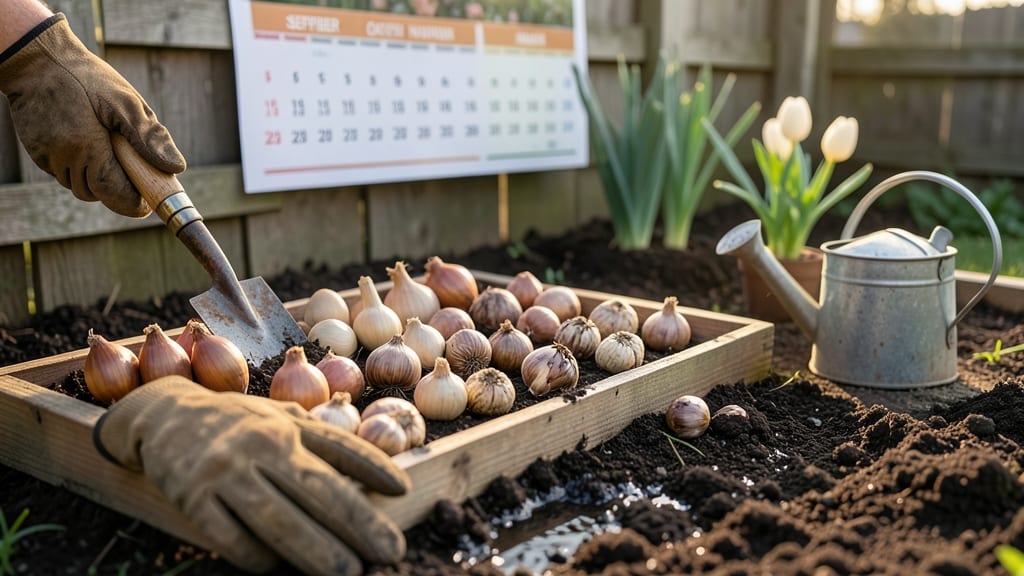
Planting bulbs in your garden at the right time ensures vibrant blooms and stronger roots, whether you're in USDA Zone 6a or beyond.
Did you know the moon’s phases can dramatically influence the strength and growth of your garden bulbs? Planting at the wrong time could mean weaker blooms—or even no flowers at all. Mastering the perfect timing ensures vibrant, healthy flowers year after year.
For spring bloomers like tulips and daffodils, fall is the ideal window—6 to 8 weeks before frost lets them establish roots before winter. Meanwhile, summer-blooming varieties like lilies thrive when planted in early spring, just as the soil warms.
Timing isn’t just about the calendar; it’s about the moon’s cycle too.
In this guide, I’ll break down the best planting windows by bulb type, climate zone, and lunar phase—plus how to prep your soil and care for bulbs afterward. Get ready for a garden bursting with color!
Best moon phases for planting bulbs: a gardener’s guide
I’ve planted tulips, daffodils, and hyacinths for years, and I can tell you—timing matters more than most gardeners realize. The moon’s phases aren’t just folklore; they directly impact how well your bulbs root, grow, and bloom.
Planting at the right lunar phase can mean the difference between vibrant flowers and weak, sparse blooms. Let’s break down the science and secrets of moon phase planting for bulbs.
Bulbs thrive when planted during specific moon phases that align with their natural growth cycles. The new moon is ideal for planting root crops and bulbs because its gravitational pull encourages root development.
Conversely, the full moon is perfect for planting above-ground parts, like flowers and foliage, as it promotes top growth. Understanding these cycles helps you maximize your bulbs’ potential from the very first spadeful of soil.
Here’s the golden rule: Plant most spring-blooming bulbs like tulips and daffodils during the waxing moon (the week after the new moon) in fall. For fall-blooming bulbs, such as crocuses and snowdrops, aim for the waning moon (the week before the new moon) in late summer.
This timing ensures strong root establishment before dormancy sets in.
🌱
For spring-planted bulbs, like those you might tuck into containers for patio displays, the full moon is your best friend. This phase boosts flowering energy, helping bulbs like hyacinths and daffodils produce showier blooms.
Plant them 4-6 weeks before your last expected frost date, and you’ll reward yourself with a burst of color in early spring. Just be sure to choose a spot with well-draining soil—bulbs hate soggy roots!
If you’re planting fall bulbs for winter or early spring blooms, focus on the waning moon phases. These bulbs, such as crocuses and snowdrops, need time to establish roots before winter sets in.
Aim to plant them 6-8 weeks before your first frost. The cooler soil temperatures in fall also help prevent premature sprouting, giving your bulbs a strong start.
Pro tip: Check a lunar planting calendar for your specific region. The moon’s phases shift slightly based on your latitude, so what’s ideal in Zone 5 might differ from Zone 8.
For example, in colder climates, you’ll plant tulips earlier in fall than in warmer zones. Always align your planting with both the moon and your local frost dates.
Don’t overlook soil preparation, either. Amend your soil with compost or aged manure to improve drainage and fertility. Bulbs need a loose, airy medium to thrive, and heavy clay can stunt their growth.
Mix in a handful of bone meal or bulb-specific fertilizer at planting time to give them a nutrient boost. This step is non-negotiable for long-term bulb health!
One mistake I see often is planting bulbs at the wrong depth. Most bulbs should go in 2-3 times their height deep. For example, a 2-inch-tall daffodil bulb should be planted 4-6 inches deep.
Planting too shallow can expose bulbs to temperature fluctuations and pests, while planting too deep may delay or prevent flowering. Always follow the planting depth guidelines for your specific bulb variety.
Finally, water your newly planted bulbs thoroughly after planting to settle the soil and encourage root contact. Avoid overwatering, though—bulbs rot easily in waterlogged soil. A deep watering once a week (or as needed) during their active growing season is usually sufficient.
Mulch around the planting area with straw or shredded leaves to insulate the soil and retain moisture.
With these moon phase secrets in your gardening toolkit, you’re set to grow healthier, hardier bulbs that bloom with vigor year after year. Happy planting! 🌷
Seasonal planting schedule: when to plant bulbs by climate zone
Timing is everything when planting bulbs! Whether you're in a cold USDA zone 3 or a mild zone 10, knowing the right season ensures strong roots and stunning blooms.
Most bulbs need 6-8 weeks before frost to establish roots, but warmer climates have different rules. Let's break it down by zone so you can plant with confidence.
Fall planting is ideal for spring-blooming bulbs like tulips and daffodils, while summer planting works for fall/winter flowers such as crocuses and snowdrops. The key is matching your bulb's natural cycle with your climate's frost dates.
For example, zone 5 gardeners plant tulips in October, while zone 9 can wait until December.
🌱 Comparison Table: Best Planting Times by USDA Zone
In USDA zones 3-4, aim to plant spring bulbs by mid-October to give roots time to establish before winter. For zone 5-6, extend your window to November, while zone 7-8 gardeners can plant through December.
The rule of thumb: plant when soil temps hit 60°F and stay there for a week.
Summer planting for fall bloomers works best when soil is still warm but before late summer heat sets in. In zone 9-10, you can even plant some bulbs in January for spring color, but check your local frost dates first.
Always plant bulbs 2-3 times deeper than their height for best results.
Pro tip: Use a bulb planter to create perfect holes at the right depth. For containers, plant bulbs close together since they won’t spread like in-ground plantings. With the right timing, you’ll enjoy blooms that seem to appear magically from the ground! 🌷